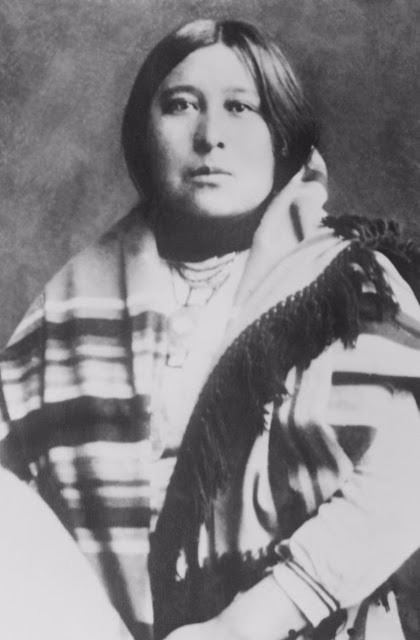
Framed in soft studio light, Mollie meets the camera with a steady, guarded calm. Her blanket is draped with care, its bold bands and fringe adding texture against the plain backdrop, while simple jewelry and composed posture suggest both pride and restraint. The portrait feels formal, yet intimate enough to hint at the person behind the pose.
Oil wealth changed the meaning of land across many Native communities, turning home and inheritance into something outsiders wanted to control. In that context, the title’s warning lands hard: once it became known that her people lived above valuable resources, Mollie was no longer just a woman in a photograph—she represented access, money, and power. The quiet dignity of her expression contrasts with the predatory attention that often followed such discoveries.
Stories like this sit at the crossroads of Indigenous history, land rights, and early 20th-century extraction booms, where a single revelation could bring sudden “interest” from banks, courts, and opportunists. For readers searching for historical photos connected to oil, Native land, and the human cost of resource wealth, this image invites a closer look. It asks us to read beyond the portrait and consider how quickly prosperity could become a threat.