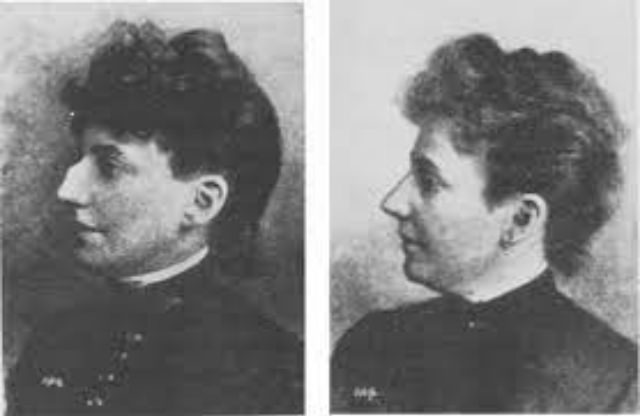
Side-by-side profile portraits place one face in quiet comparison, the same sitter posed in similar lighting and a high-collared dark garment. The pairing draws the eye to the bridge and tip of the nose, inviting a “before and after” reading that was becoming increasingly familiar in early 20th-century beauty and medical culture. Grainy tones and studio simplicity keep the focus on anatomy rather than glamour, a visual strategy common in cosmetic surgery documentation.
In the 1920s and 1930s, rhinoplasty sat at the intersection of modern medicine, fashion, and social pressure, promoted as a way to refine features in step with changing ideals. Such images functioned as persuasive evidence—clinical enough to suggest legitimacy, yet intimate enough to speak to personal insecurity and aspiration. The era’s magazines and advice literature often framed appearance as self-improvement, and the profile view, long used in art and anthropology, became a tool for measuring “correction.”
Seen today, this historical photo reads as more than a medical record; it is a snapshot of how beauty standards and identity were negotiated in the interwar years. The tight crop and repeated pose underline the promise of transformation while also revealing the limits of what a camera can explain about motivation, cost, risk, or satisfaction. For readers searching “rhinoplasty 1920s,” “nose job history,” or “cosmetic surgery before and after,” the image offers a stark, period-authentic glimpse into the origins of modern facial aesthetic culture.