Category: Artworks
Step into the world of timeless artworks that shaped our visual culture. Explore rare paintings, sculptures, and creative masterpieces that reveal the evolution of artistic expression through centuries.From Renaissance genius to modern minimalism, each piece tells a story of imagination, innovation, and beauty that continues to inspire artists and collectors worldwide.
-
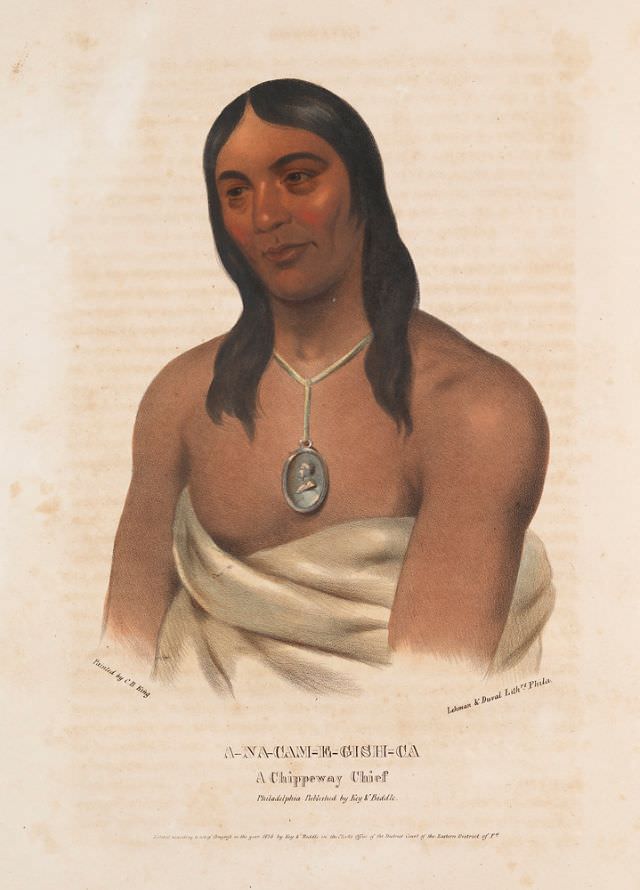
#4 A-Na-Cam-E-Gish-Ca, A Chippeway Chief
A-Na-Cam-E-Gish-Ca is presented in a calm, direct portrait that emphasizes presence over spectacle, inviting the viewer to linger on expression and posture. The chief’s long, dark hair frames a composed face, while the softly modeled skin tones and clean background keep attention fixed on the sitter rather than on setting. Even without a detailed landscape,…
-
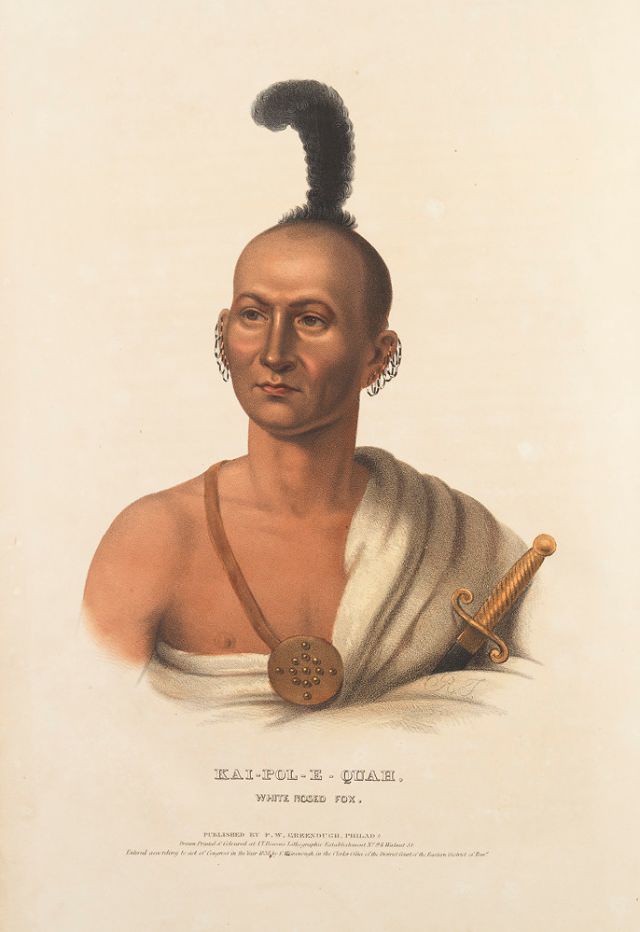
#20 Kai-Pol-E-Quah, White Nosed Fox
A poised, three-quarter portrait introduces Kai-Pol-E-Quah, also identified by the English epithet “White Nosed Fox,” rendered with the careful polish of a 19th-century print. The sitter’s calm gaze, closely shaven head, and upright plume-like hairstyle draw attention immediately, while the warm skin tones and soft shading give the artwork a lifelike presence against an uncluttered…
-
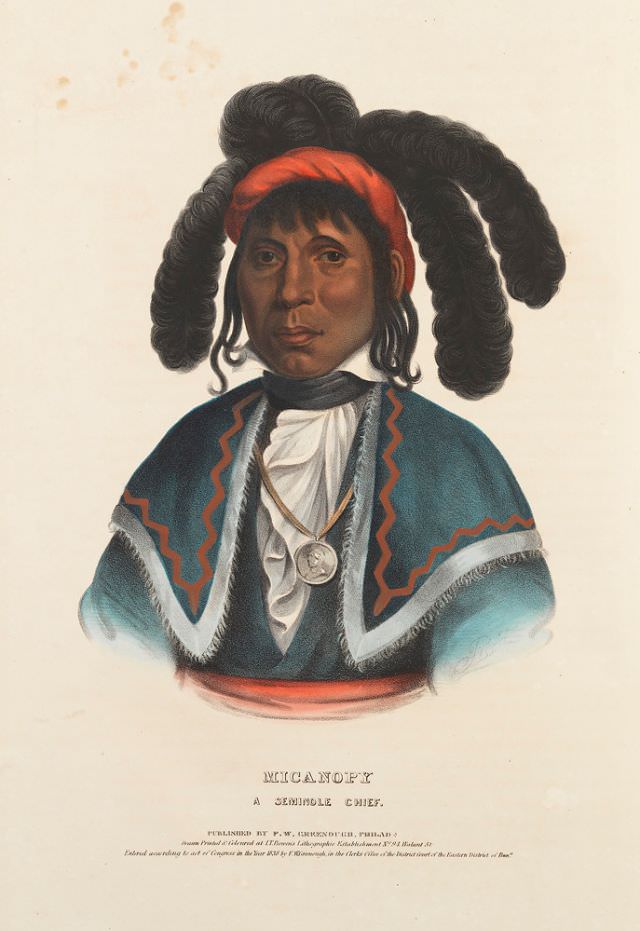
#36 Micanopy, A Seminole Chief
Micanopy appears here in a carefully rendered portrait that balances dignity with immediacy, inviting the viewer to meet the gaze of a Seminole chief rather than a distant figure in a textbook. The artist’s attention to facial expression—steady eyes, composed mouth, and softly modeled features—creates a sense of presence that feels personal, even formal. Beneath…
-
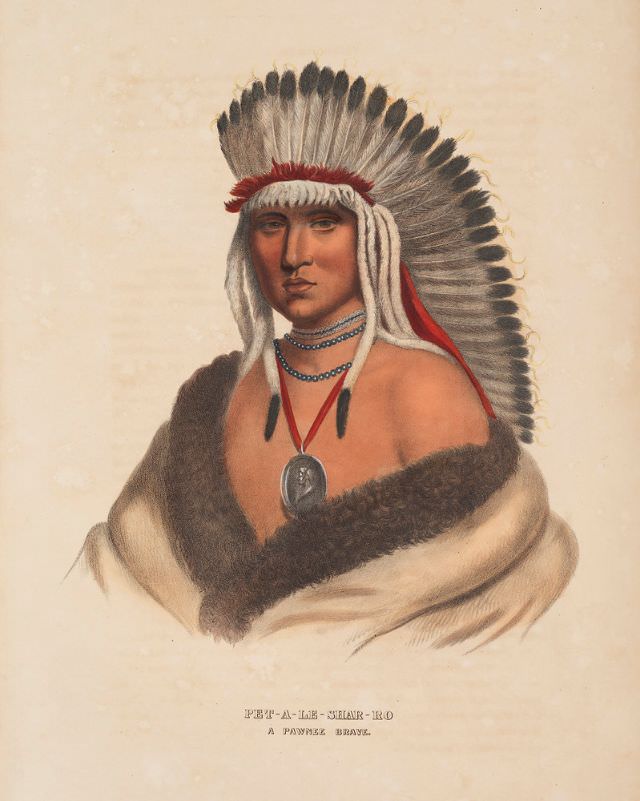
#52 Pet-A-Le-Shar-Ro, A Pawnee Brave
Pet-A-Le-Shar-Ro meets the viewer with a steady, composed gaze, rendered in a carefully finished portrait that feels both intimate and formal. A tall feather headdress fans outward behind his head, its dark-tipped plumes framing the face like a halo, while a red band and pale hair ornaments add striking contrast. The artist’s attention to skin…
-
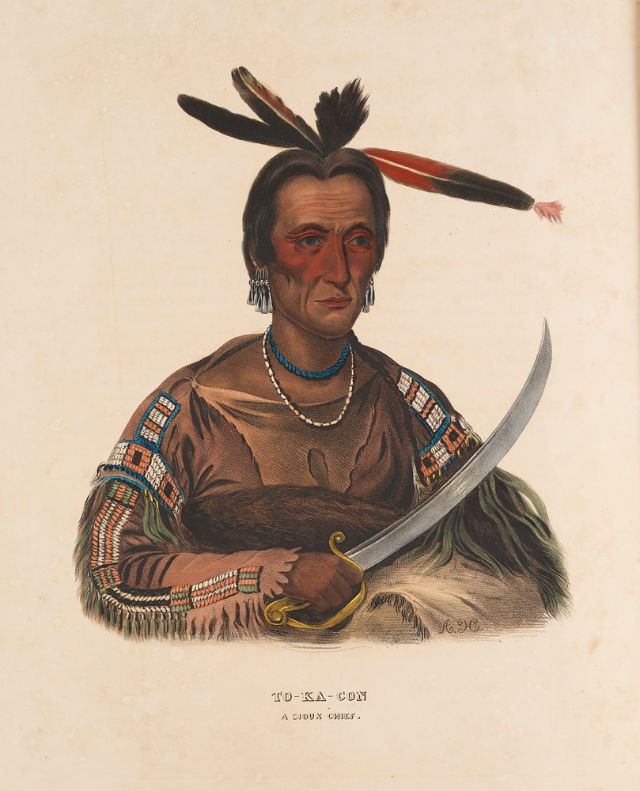
#68 To-Ka-Con, A Sioux Chief
To-Ka-Con is presented in a carefully composed portrait that reads as both likeness and statement. The chief’s steady gaze, the feathered headpiece, and the gleam of a curved blade draw the viewer into a moment of poise rather than action, emphasizing presence over spectacle. Rendered with subtle shading and warm tones, the artwork foregrounds the…
-
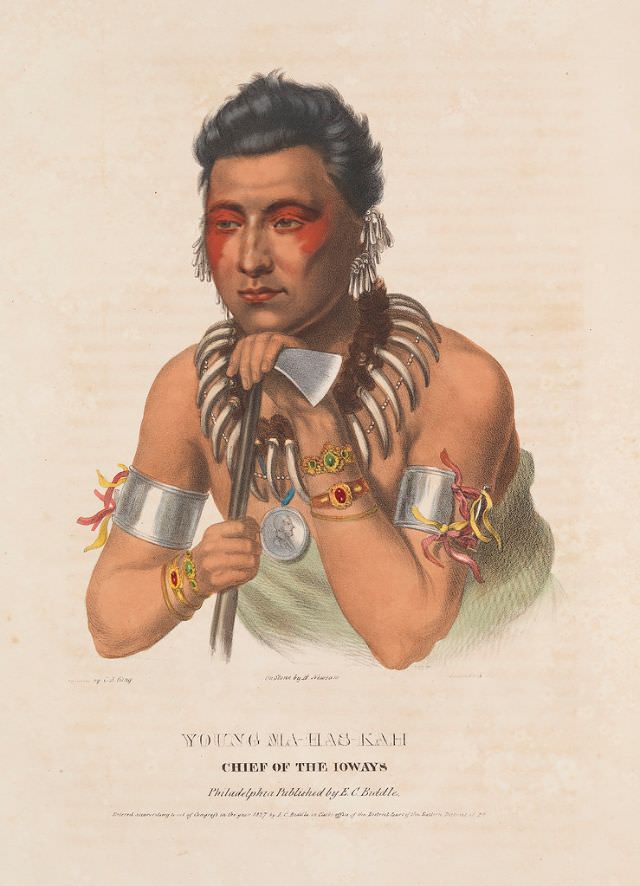
#84 Young Ma-Has-Kah, Chief of the Ioways
Young Ma-Has-Kah, identified here as “Chief of the Ioways,” appears in a carefully composed portrait that blends dignity with quiet intensity. His gaze is steady, framed by dark hair and red face paint that draws the eye to his expression. A hand rests on the handle of a small hatchet, an object rendered with the…
-
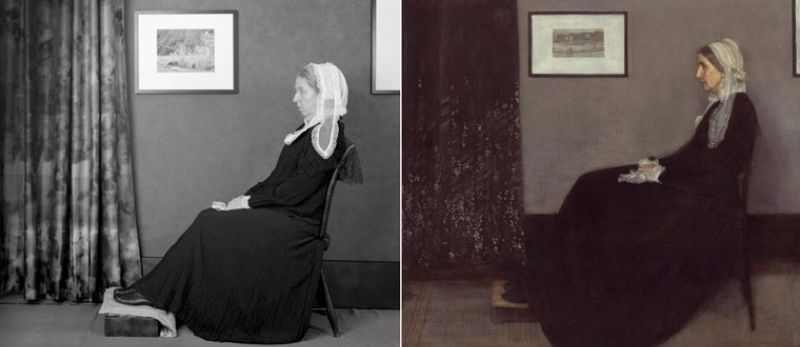
#11 Whistler’s Mother – James McNeill Whistler
Few works of nineteenth-century art feel as instantly recognizable as James McNeill Whistler’s portrait of his mother, a quiet study in restraint and dignity. The composition is spare: a seated woman in profile, hands folded in her lap, her dark dress forming a calm, weighty silhouette against a muted wall. A simple framed print hangs…
-
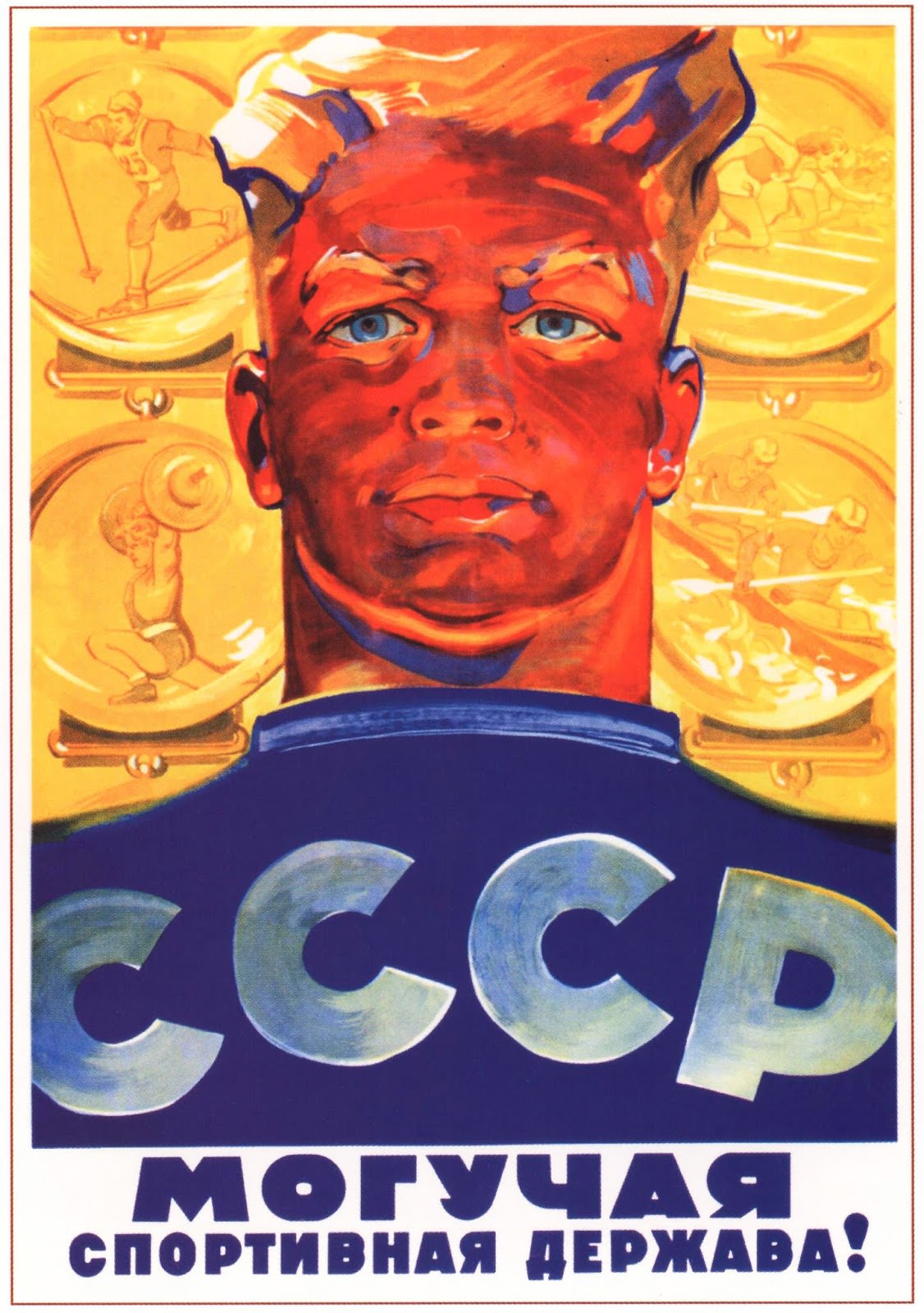
#14 The USSR is a mightly sports power!
Bold color and monumental scale turn the athlete’s face into a symbol, rendered in fiery reds against a warm gold field. Across his chest, the oversized “СССР” lettering anchors the composition, leaving no doubt about the message of Soviet sports pride. The style is unmistakably poster art—clean shapes, dramatic lighting, and a heroic, forward-looking gaze…
-
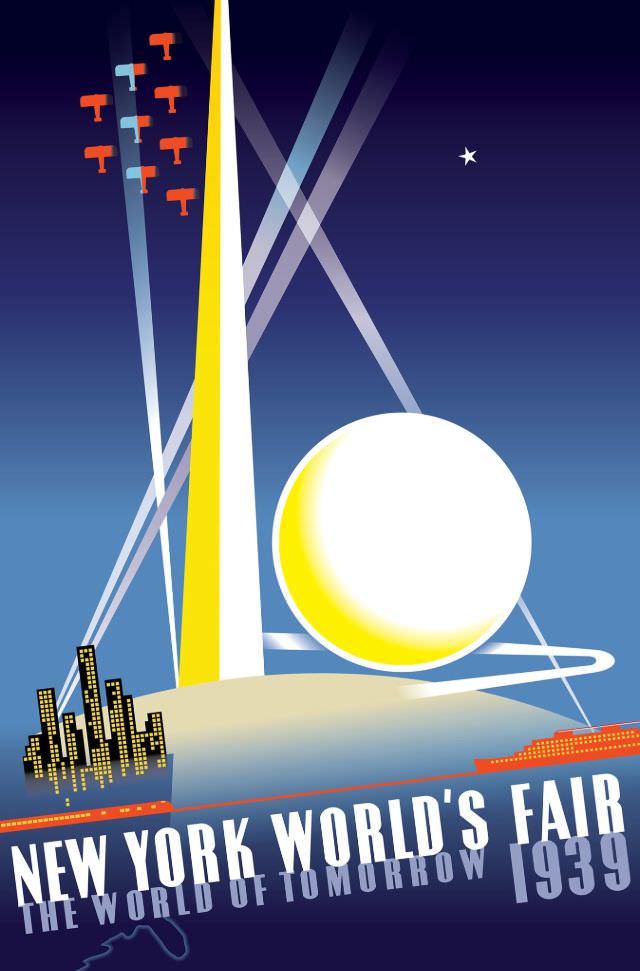
#9 A poster for the 1939 New York World’s Fair by artist Nembhard N. Culin
Electric blues and deep twilight tones set the stage for Nembhard N. Culin’s poster promoting the 1939 New York World’s Fair, a striking piece of graphic design that sells the future as spectacle. A towering, needle-like form rises beside a luminous white sphere, while crisscrossing beams suggest spotlights, searchlights, or radio signals—modernity made visible. At…
-
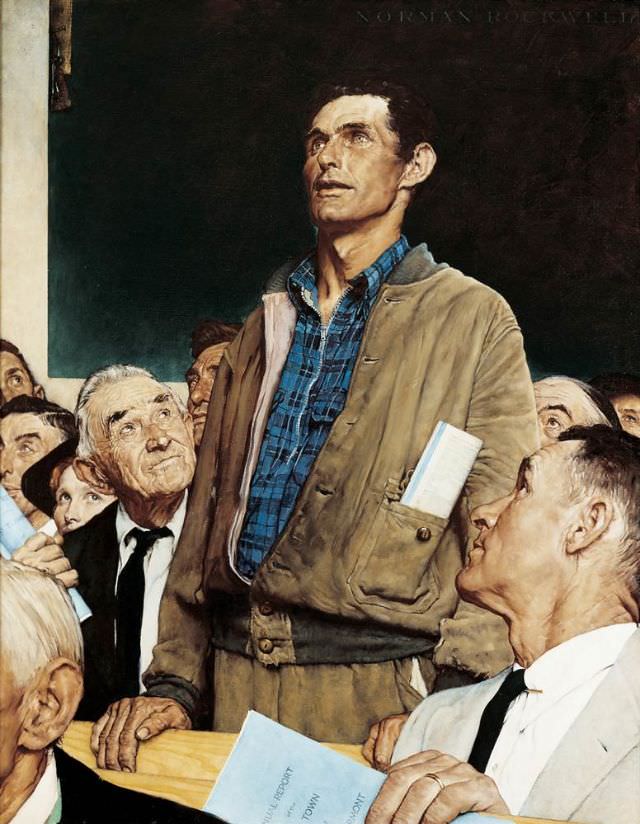
#25 The Four Freedoms: Freedom of Speech by Norman Rockwell, February 1943
Norman Rockwell’s “Freedom of Speech,” published in February 1943 as part of The Four Freedoms series, brings the lofty language of democratic rights down to a familiar, small-room setting. At the center stands a working-class man in a worn jacket and plaid shirt, rising to speak with quiet resolve while those seated around him turn…