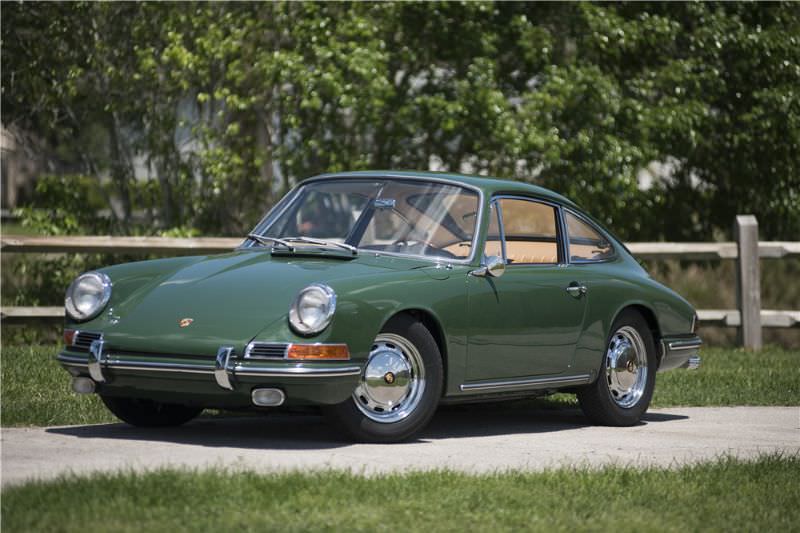
Curved fenders, a low nose, and those unmistakable round headlights give the 1966 Porsche 911 its instant recognition, even at a glance. In this photo, the coupe’s clean, uncluttered styling reads like a design manifesto from an era when elegance and speed were expected to share the same silhouette. The deep green paint and chrome accents highlight how “luxury sports car” once meant restraint, proportion, and craftsmanship rather than excess.
Look closely at the details: slim bumpers, tidy trim, and a glasshouse that prioritizes visibility while keeping the roofline taut and aerodynamic. The classic wheel design and compact stance underline the 911’s early engineering philosophy—light, balanced, and purpose-built—while still presenting the comfort cues buyers wanted in a premium grand tourer. Even parked, the car suggests motion, as if the bodywork has been shaped by air and long roads.
Collectors and enthusiasts return to images like this because they showcase the inventions that mattered most in period sports-car thinking: refined aerodynamics, intelligent packaging, and a driver-focused layout wrapped in a timeless shell. With the background kept simple, the photograph lets the iconic Porsche 911 profile take center stage, making it a strong visual reference for anyone researching 1960s automotive design. If you’re drawn to classic Porsche history, this post is a window into why the 1966 model remains a benchmark for style and engineering.