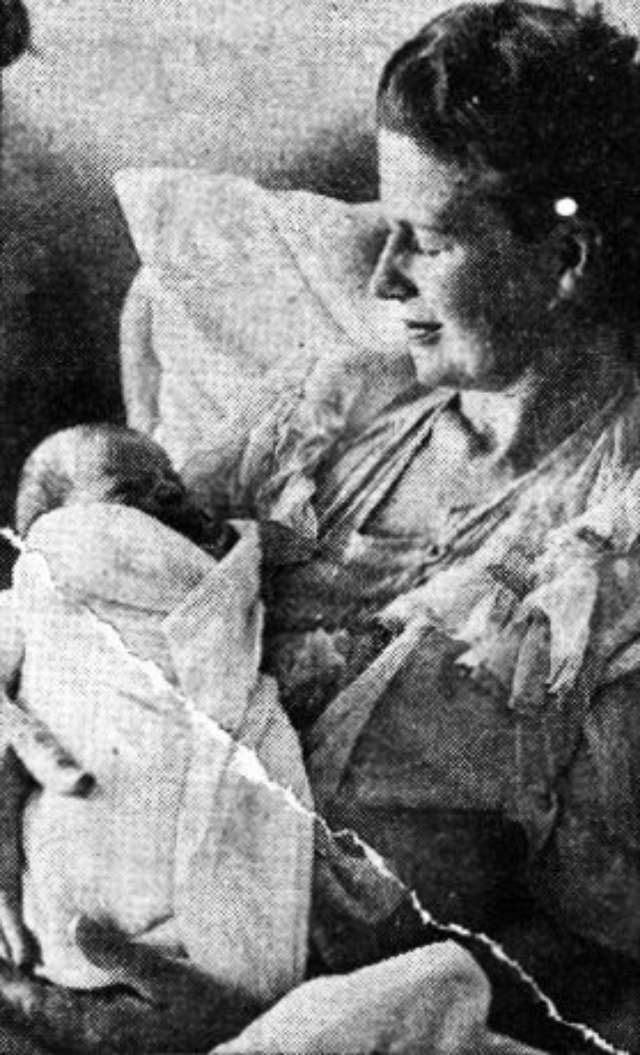
Soft light falls across a hospital bed as a mother cradles her newborn, the baby wrapped tightly in blankets while she watches with a tired, tender focus. The grainy texture and high-contrast tones suggest a mid-century press photo, the kind that once carried big promises about modern living into newspapers and magazines. Even without the gadget in view, the intimate aftermath of birth sets the stakes for any “future of motherhood” invention: real bodies, real recovery, and a family meeting its newest member.
In 1959, the so-called “Baby Machine” was marketed with the language of the Space Age, borrowing the drama of a “space suit” to make pregnancy sound like an engineering problem waiting for a sleek solution. That framing fits the era’s fascination with capsules, life-support systems, and push-button convenience—ideas that spilled from rocket headlines into kitchens, clinics, and wardrobes. Posts like this one sit at the intersection of retro technology, women’s health history, and the optimistic (sometimes unsettling) belief that machines could smooth over nature.
Behind the headline-worthy invention is a quieter story about expectations placed on mothers and the medical culture surrounding childbirth. The photo invites readers to look past the marketing and ask what comfort, safety, and dignity meant in an age of experimental designs and bold claims. For anyone searching vintage inventions, 1950s maternity technology, or the history of pregnancy “space suit” concepts, this moment offers a human counterpoint—proof that no device can replace the lived experience of bringing a child into the world.