Category: Cover Art
Dive into a gallery of vintage cover art from books, magazines, and albums. Discover how graphic design and illustration reflected the moods of their times.
These covers capture the essence of cultural evolution — from bold propaganda to elegant minimalism.
-
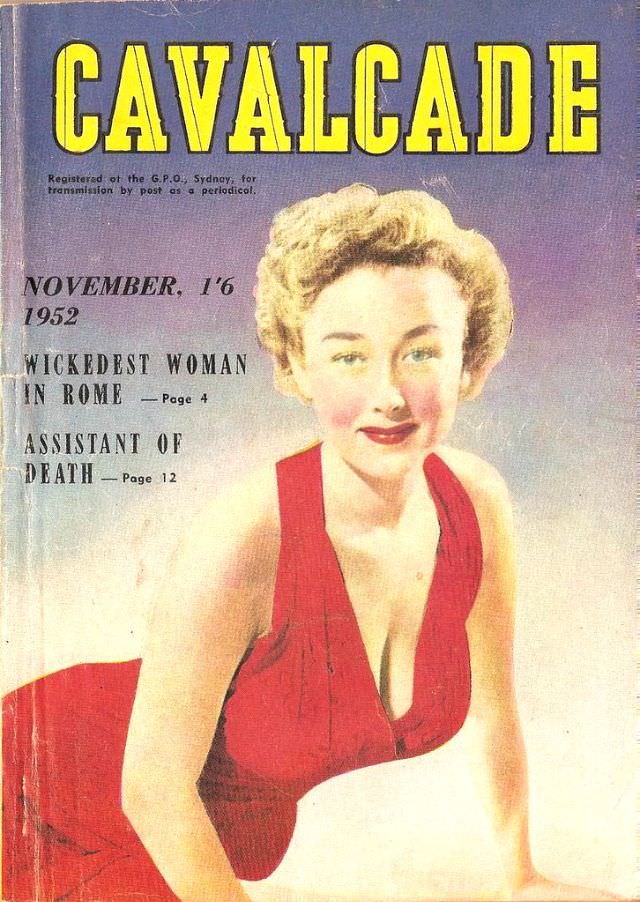
#15 Cavalcade magazine cover, November 1952
Bold yellow lettering announces CAVALCADE across the top, setting a confident tone for this November 1952 magazine cover. A glamorous illustrated woman dominates the page in a vivid red dress, her blonde curls and carefully rouged cheeks rendered in that unmistakable mid-century style. The background fades into soft blues and creams, giving the figure a…
-

#31 Cavalcade magazine cover, November 1954
Bold yellow lettering spells out “CAVALCADE” across the top of this November 1954 magazine cover, setting a punchy mid-century tone before your eye even reaches the artwork. A smiling swimsuit model reclines diagonally across the page in a red-and-white striped bikini, her pose and bright palette designed to stop newsstand browsers in their tracks. The…
-
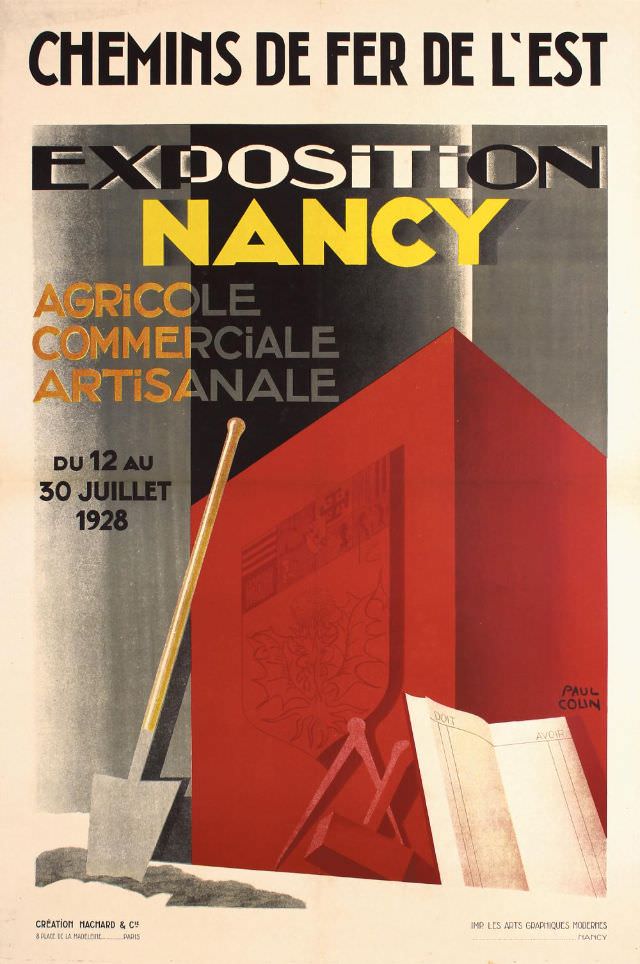
#7 Exposition Nancy, 1928
Bold lettering for “Chemins de fer de l’Est” crowns this striking cover art, immediately tying the event to railway travel and the modern mobility of interwar France. The layered typography—“Exposition Nancy” in commanding blocks, followed by “Agricole, Commerciale, Artisanale”—reads like a promise of abundance and expertise, inviting visitors to a fair that celebrated work, trade,…
-
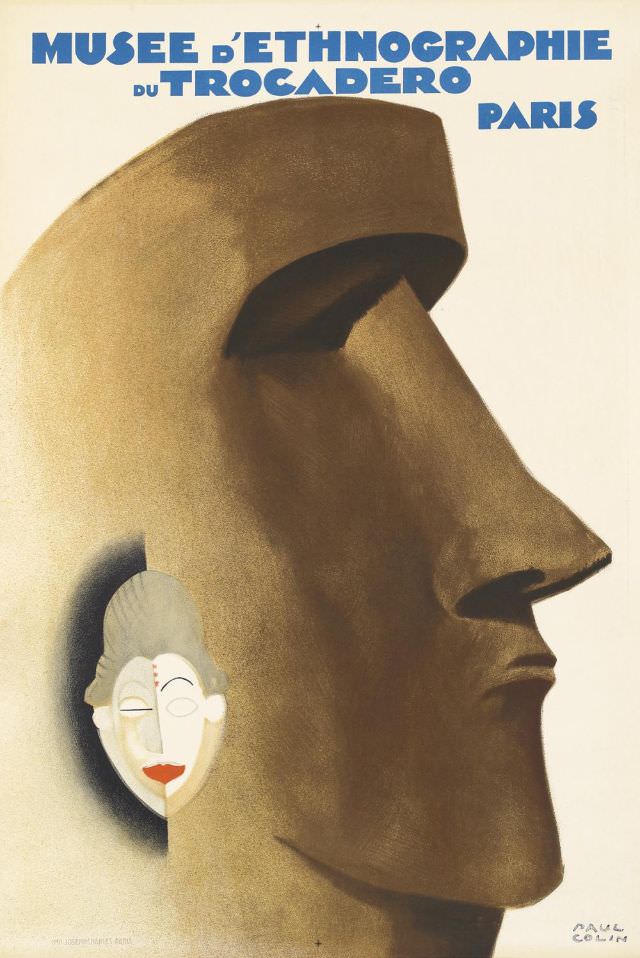
#23 Musée d’Ethnographie and Punu mask, 1930
Bold lettering announces “Musée d’Ethnographie du Trocadéro, Paris,” while a monumental profile—calm, sculptural, and almost architectural—dominates the composition. The warm, airbrushed tones and crisp contours give the poster a distinctly early-20th-century graphic elegance, turning a museum advertisement into a piece of modern design. Even at a glance, the layout guides the eye from the title…
-
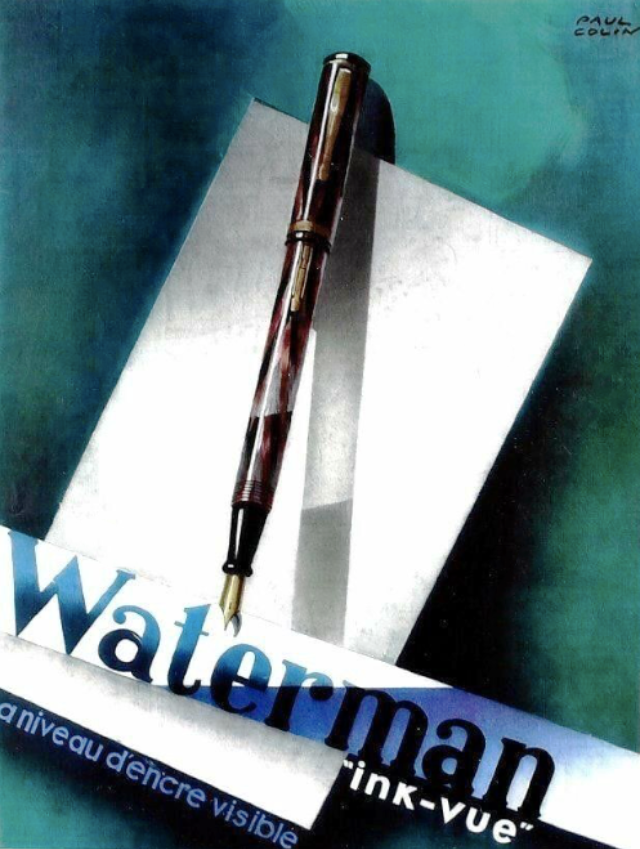
#39 Waterman Inkvue, 1937
A sleek fountain pen lies diagonally across a crisp sheet of paper, its marbled barrel and gold-toned nib rendered with the polished confidence of 1930s commercial art. The surrounding field of cool blue-green gives the composition a quiet depth, while hard-edged shadows lend the pen a tangible, almost cinematic presence. Along the bottom, bold typography…
-
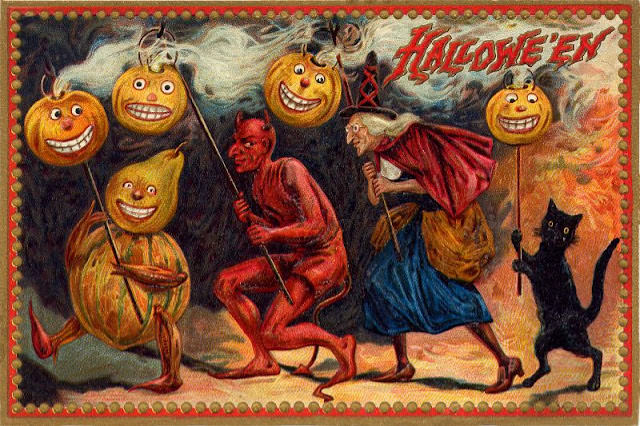
#15 Hallowe’en
Bright grins float in the night like lanterns with minds of their own, each jack-o’-lantern face perched atop a stick and bobbing through smoky air. The cover art leans into Halloween’s old habit of making the familiar feel strange—pumpkins become characters, their exaggerated smiles equal parts comic and unsettling. With “Hallowe’en” splashed across the corner…
-
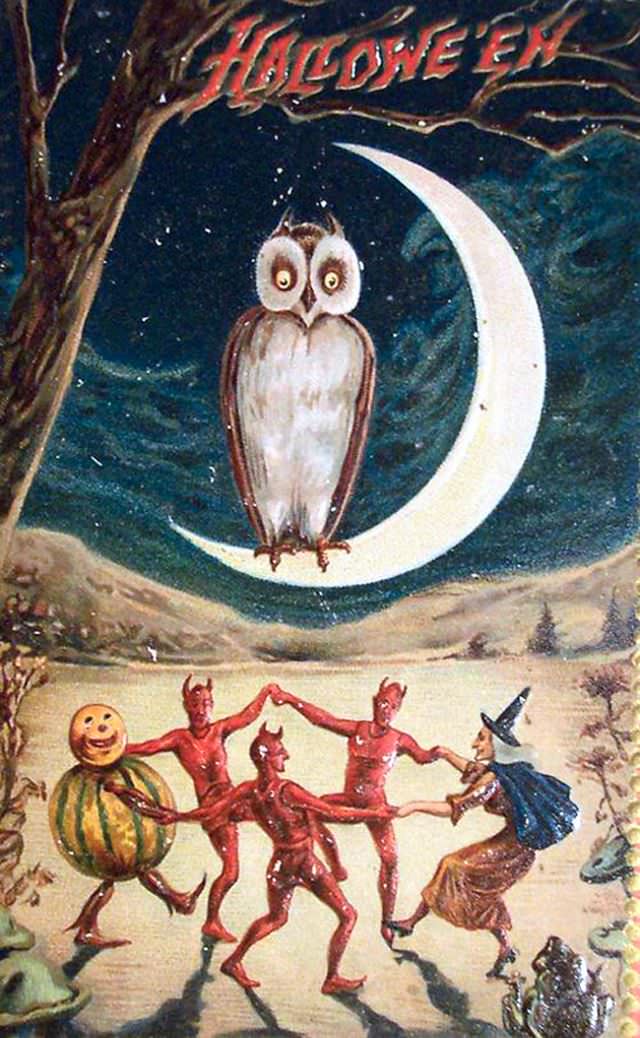
#31 Owl, Moon, and Dancing
Under a star-speckled sky, a wide-eyed owl perches on a bright crescent moon while the word “Halloween” arches above like a hand-painted marquee. The cover art’s deep blues and swirling clouds frame a theatrical night scene, balancing eerie stillness overhead with playful motion below. It’s a classic seasonal illustration that leans into folklore atmosphere rather…
-
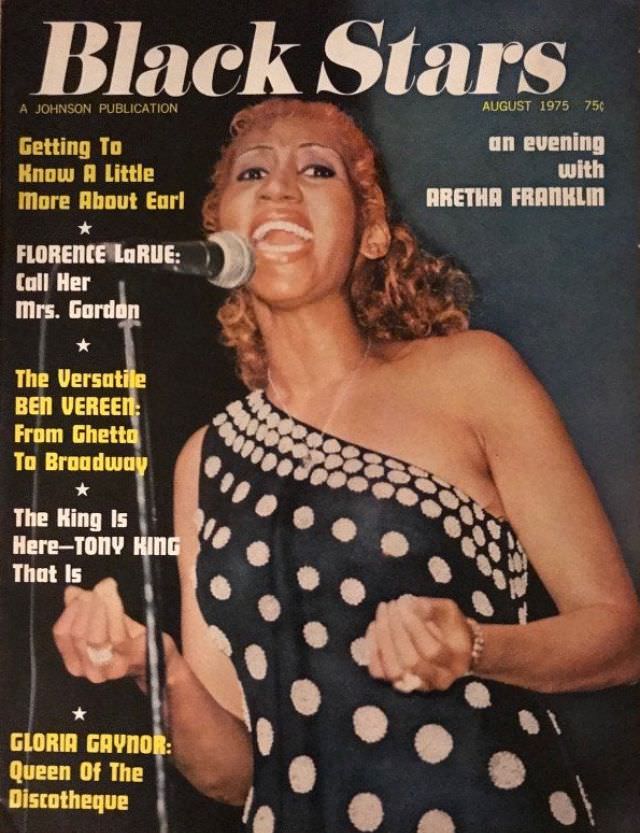
#7 Aretha Franklin, August 1975
August 1975 splashes across the masthead of *Black Stars*, a Johnson Publication, framing a vivid cover moment with Aretha Franklin mid-song at the microphone. Her one-shoulder, polka-dot dress and expressive posture convey motion and power, while the warm stage lighting and tight crop keep attention on her face and voice. The headline promises “an evening…
-

#23 Ashford & Simpson, December 1979
Bold lettering for *Black Stars* crowns this December 1979 cover, pairing Ashford & Simpson in a warm, close pose that feels both glamorous and intimate. The styling leans into late-1970s elegance—her wide-brim hat and rich, coordinated outfit set against his light suit and patterned cap—while the bright background keeps the focus on their faces and…
-
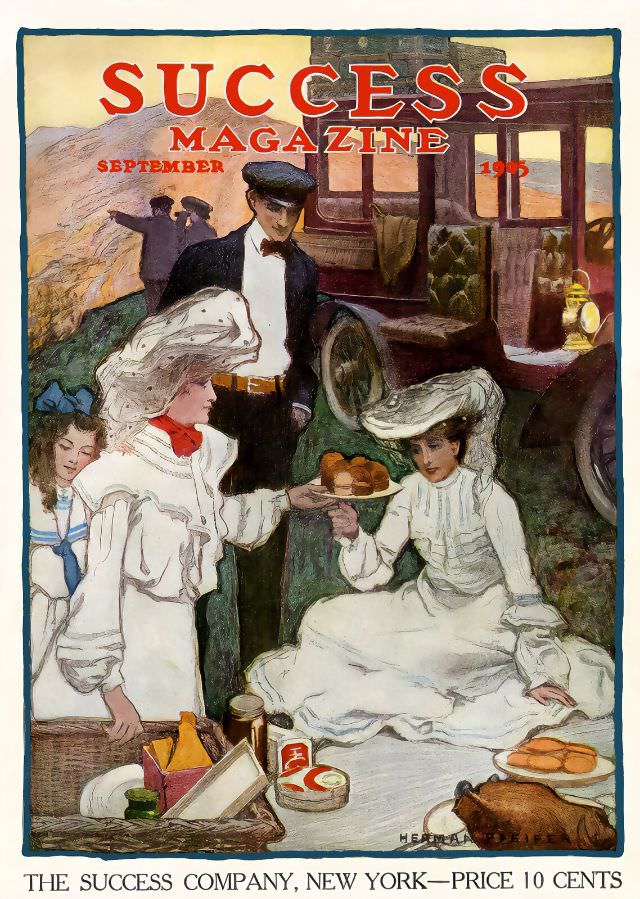
#13 Success magazine, September 1905
Bold scarlet lettering announces “SUCCESS MAGAZINE” across a richly illustrated cover dated September 1905, immediately situating the viewer in the confident visual language of early twentieth-century print culture. An outdoor picnic scene unfolds beneath the masthead: wide-brimmed hats, crisp white dresses, and a dark-suited figure create a tableau of leisure and propriety, rendered with painterly…