Category: Cover Art
Dive into a gallery of vintage cover art from books, magazines, and albums. Discover how graphic design and illustration reflected the moods of their times.
These covers capture the essence of cultural evolution — from bold propaganda to elegant minimalism.
-
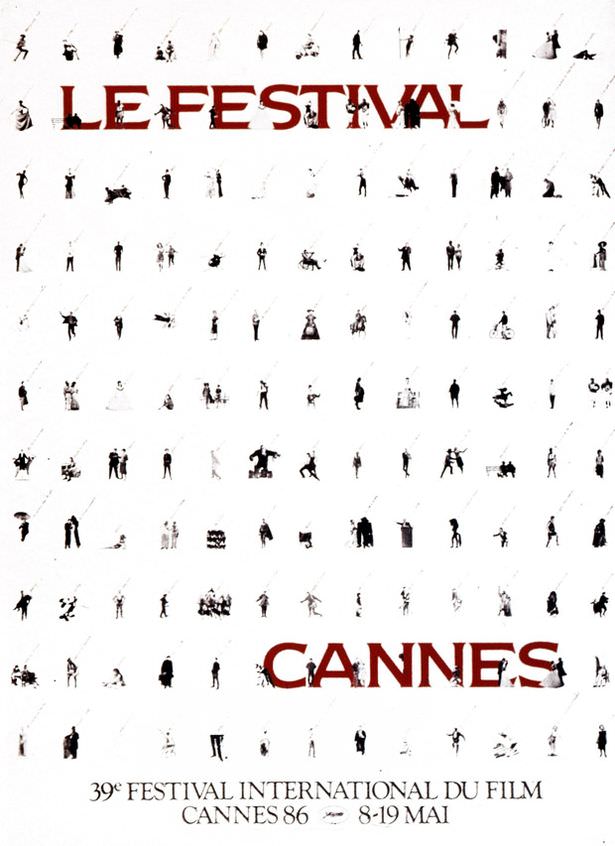
#24 1986
Bold red lettering announces “LE FESTIVAL” and “CANNES,” while a field of tiny black silhouettes scatters across a stark white background like passersby seen from a great height. Some figures appear mid-stride, others pause, and a few seem to gesture or mingle, turning the poster into a miniature crowd scene rather than a single portrait.…
-
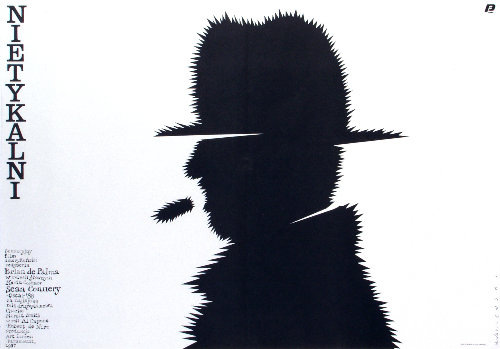
#16 The Untouchables. Artist: Mieczyslaw Wasilewski. Year: 1987
A stark silhouette dominates Mieczyslaw Wasilewski’s 1987 cover art for “The Untouchables,” pared down to a single figure whose profile is instantly legible and yet intentionally withheld. The head and shoulders are rendered as a dense black mass, but the outline bristles with sharp, irregular spikes that make the body feel charged, dangerous, and untouchable…
-

#32 The Graduate. Artist: Maciej Zbikowski. Year: 1973
Bold, playful typography in Polish crowns Maciej Zbikowski’s 1973 cover art for “The Graduate,” mixing hand-lettered credits with a pop palette that immediately signals comedy and modernity. Names like Dustin Hoffman and director Mike Nichols appear amid flower-like shapes, turning the top of the composition into a lively marquee. The design feels intentionally informal—more like…
-
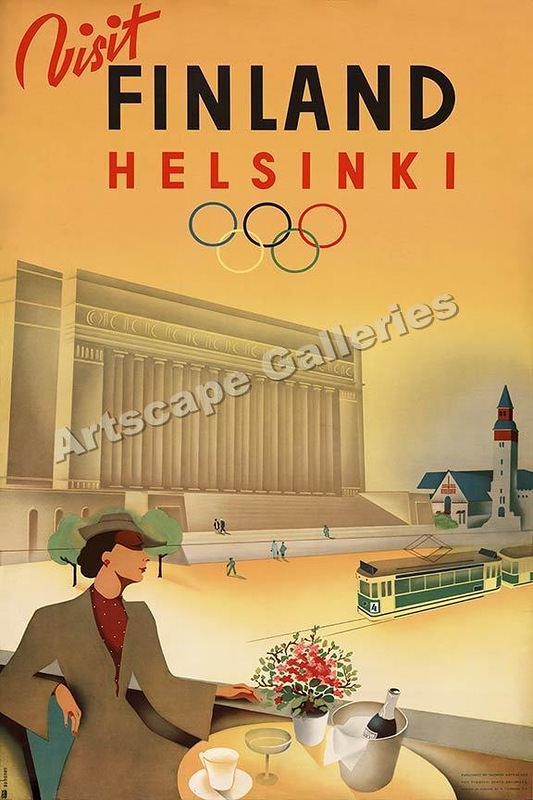
#3 Around the World in Posters: A Look at Vintage Travel Advertising #3 Cover Art
“Visit Finland – Helsinki” reads like an open invitation, and the Olympic rings immediately place this piece of travel advertising in the world of international spectacle. Warm, sunlit tones soften the scene while bold, modern lettering does the persuasive work posters were built for: promise ease, style, and a destination worth crossing borders to see.…
-

#19 Around the World in Posters: A Look at Vintage Travel Advertising #19 Cover Art
Bold, saturated color and careful symbolism make this piece of vintage travel advertising cover art hard to ignore. Across the top, the poster credits “The Tourist Office of the Jewish Agency for Palestine, Jerusalem,” while the central invitation—“Visit Palestine”—anchors the design in the persuasive language of early tourism promotion. The layout balances text and illustration…
-
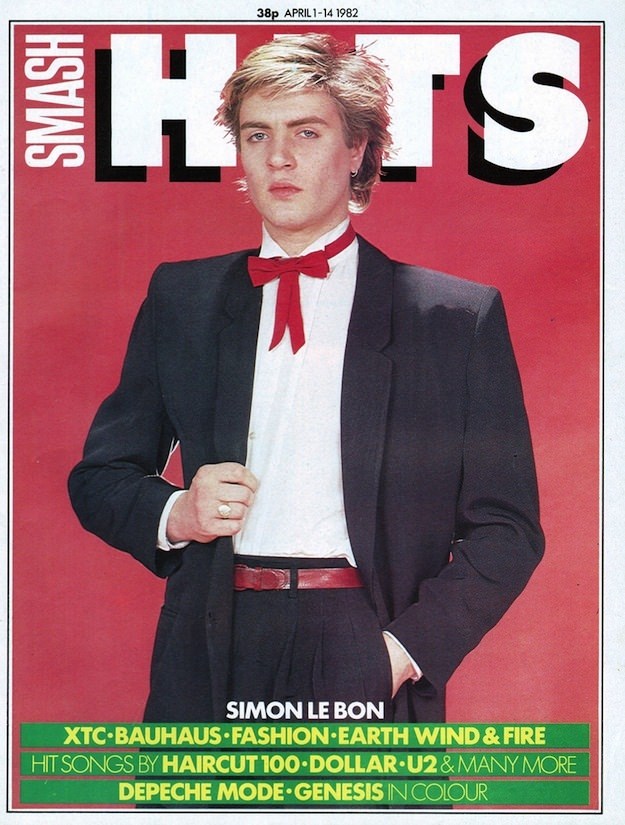
#8 Inside Smash Hits: The Iconic Magazine Covers of the 1980s #8 Cover Art
Bold lettering and a saturated red backdrop announce the unmistakable energy of Smash Hits, the pop magazine that helped define 1980s music culture. Centered on the cover is a sharply styled young man in a dark suit with a crisp white shirt and an oversized red bow, posed with that cool, practiced confidence that cover…
-
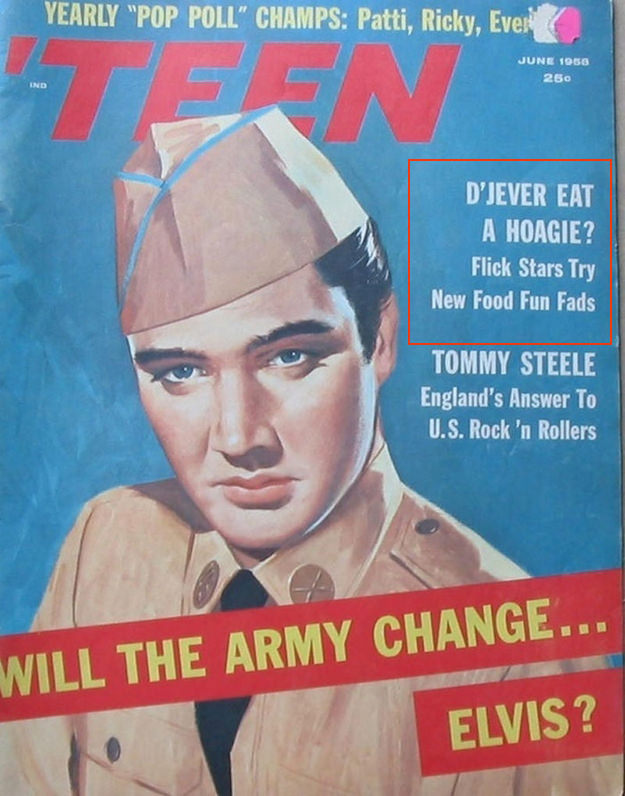
#1 A Blast from the Past: Exploring the World of Vintage Teen Magazine Covers #1 Cover Art
Bold letters spell “TEEN” across a cool blue background, framing a striking cover portrait of a young man in military uniform rendered with crisp, mid-century illustration style. The issue line at the top reads “YEARLY ‘POP POLL’ CHAMPS,” and a small date block in the corner marks it as June 1958, instantly placing the artwork…
-
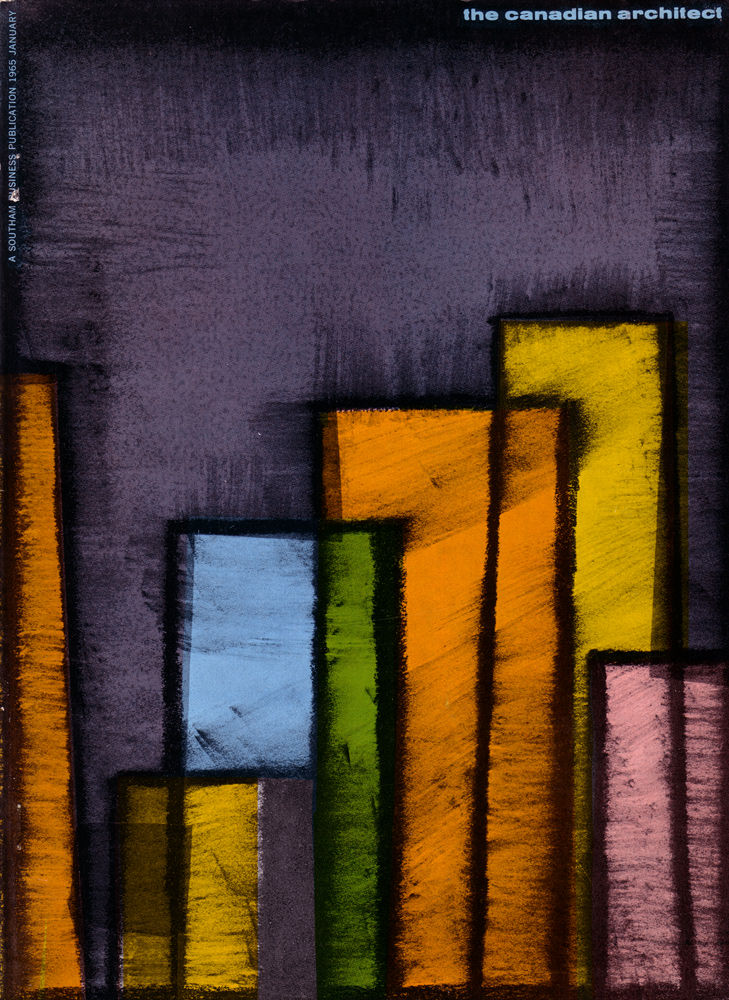
#6 The Canadian architect – January 1965
Bold blocks of colour rise against a smoky, textured ground on the January 1965 cover of *The Canadian Architect*, turning the magazine’s identity into a small piece of mid-century graphic design. Stacked rectangles—mustard, orange, lime, pale blue, and mauve—read like a simplified skyline, their dark outlines and soft, chalky edges suggesting both structure and handwork.…
-

#22 The Canadian architect – August 1966
A riot of checkerboards and saturated colour announces the August 1966 issue of *The Canadian Architect* with the confidence of mid‑century graphic design. Green and yellow squares recede into a perspective room, while a red-and-violet floor pulls the eye toward the center, creating a gallery-like stage for a stark white form. The magazine’s title sits…
-

#11 So Bad, They’re Good: Vintage Album Covers That Will Make You Laugh #11 Cover Art
Two shirtless performers strike a dramatic, back-to-back pose against a studio-gradient backdrop, their bodies gleaming under hard lighting and their expressions set to “serious.” One grips an oversized blade while the other raises a palm in a theatrical stop gesture, turning what might have been a dance record into something that looks like a low-budget…