Category: Cover Art
Dive into a gallery of vintage cover art from books, magazines, and albums. Discover how graphic design and illustration reflected the moods of their times.
These covers capture the essence of cultural evolution — from bold propaganda to elegant minimalism.
-

#33 Blood, Masks, and Glory: A Visual Tour Through Lucha Libre Magazine Covers of the 1970s #33 Cover Art
Masked faces stack in a bold totem of muscle and mystery on this Lucha Libre magazine cover, where three wrestlers pose in tiers against a rough, stone-like backdrop. The design leans into high-contrast color—black-and-gold accents up top, stark white masks below—while bare torsos and squared shoulders sell the promise of power. The large “LUCHA LIBRE”…
-
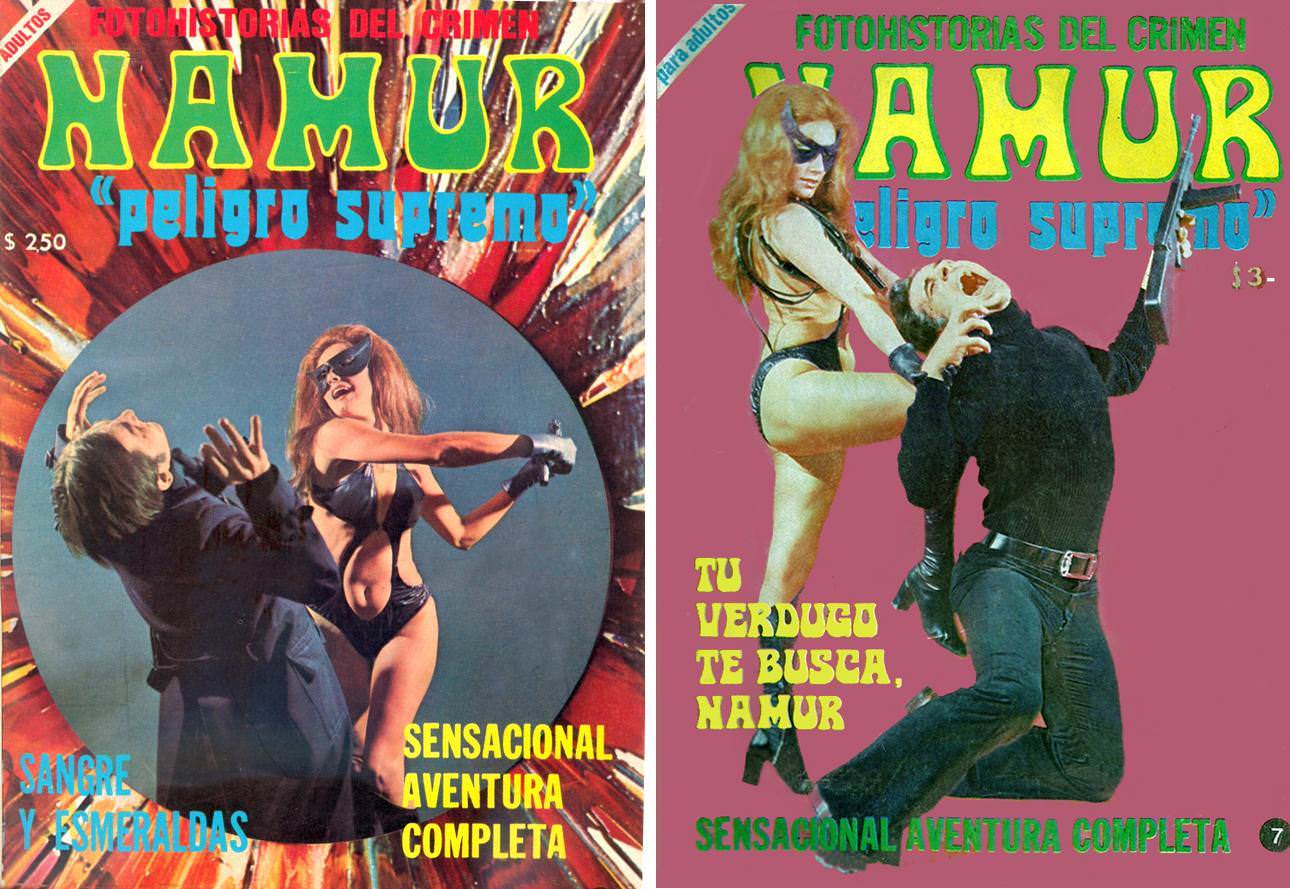
#11 The World of Spanish and Italian Crime Comics (Fotonovelas) from the 1960s-70s: Stories Told with Sensational Photogr
Lurid color, oversized lettering, and a breathless promise of “FOTOHISTORIAS DEL CRIMEN” pull the reader straight into the world of Spanish-language crime fotonovelas. The title “NAMUR” looms in bright green, while taglines like “peligro supremo” and “sensacional aventura completa” advertise danger and full-throttle entertainment. Even the cover prices and “para adultos” note underline how these…
-
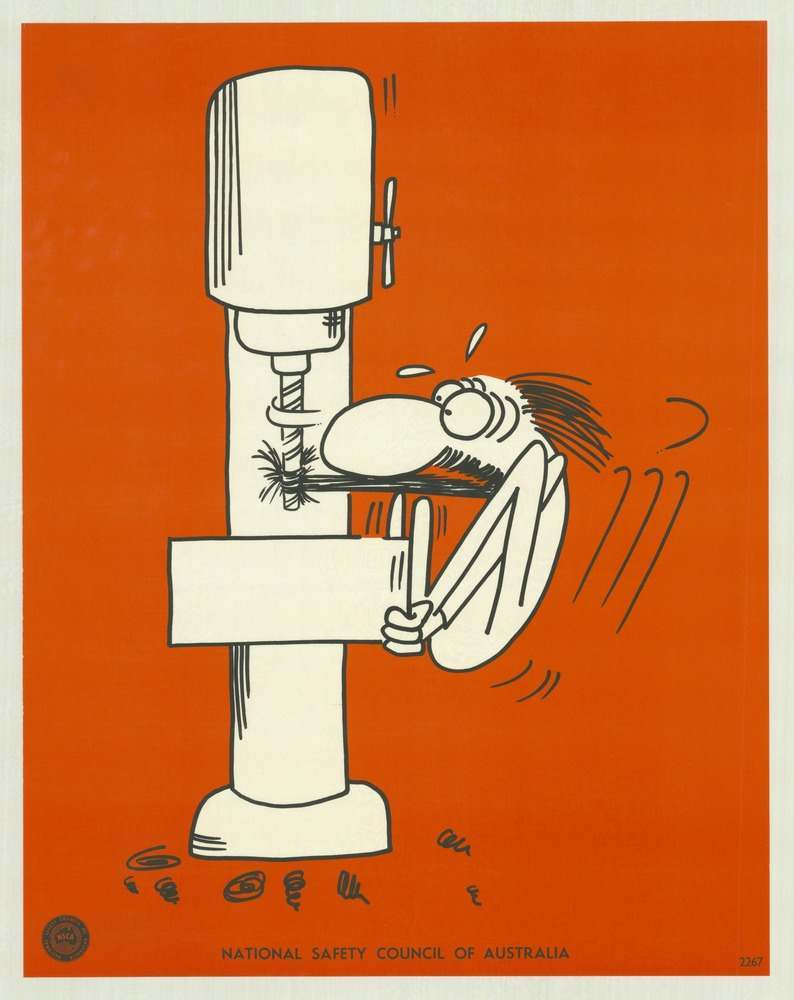
#15 National Safety Council of Australia Posters from the 1970s: Visual Messages for Keeping People Safe and Well
Bold orange dominates this National Safety Council of Australia cover art, where a simple cartoon turns workplace risk into an instantly readable warning. A drill press (or similar machine tool) looms on the left while a startled worker is pulled dangerously close, with motion lines and flying debris suggesting the split-second violence of an industrial…
-
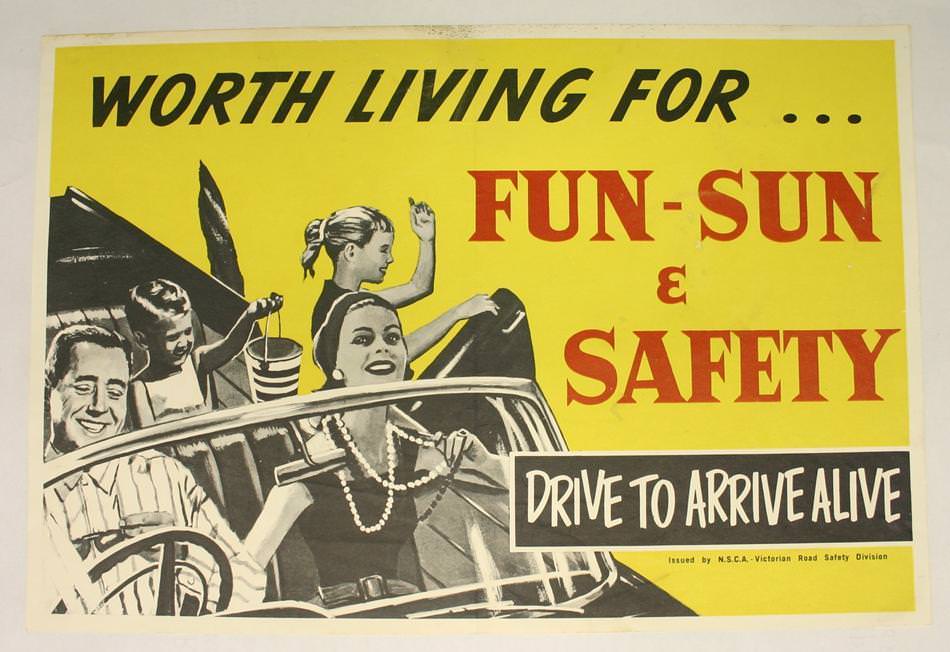
#31 National Safety Council of Australia Posters from the 1970s: Visual Messages for Keeping People Safe and Well
Bright yellow dominates this National Safety Council of Australia poster, where bold lettering promises “FUN-SUN & SAFETY” while reminding motorists to “DRIVE TO ARRIVE ALIVE.” A smiling family rides in an open-top car, their relaxed holiday mood framed by crisp illustration and high-contrast type. The design leans on optimism—sunshine, leisure, togetherness—while keeping the warning unmissable…
-
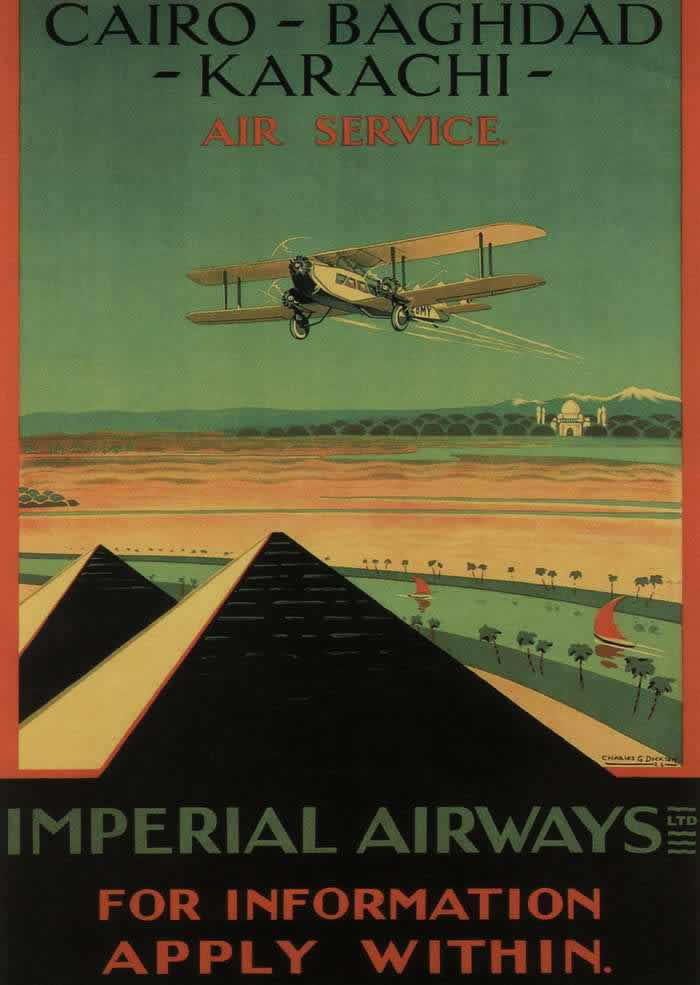
#2 Advertising the Skies: A Look at Imperial Airways Posters Promoting Early Air Travel in the 1920s and 1930s #2
Bold typography announces a “Cairo–Baghdad–Karachi” air service, turning a long-distance route into a promise of speed and modern connection. Below the words, a biplane cruises across a wide, stylized sky, its clean lines and confident angle suggesting reliability as much as adventure. The design’s restrained palette and crisp lettering reflect how Imperial Airways posters in…
-
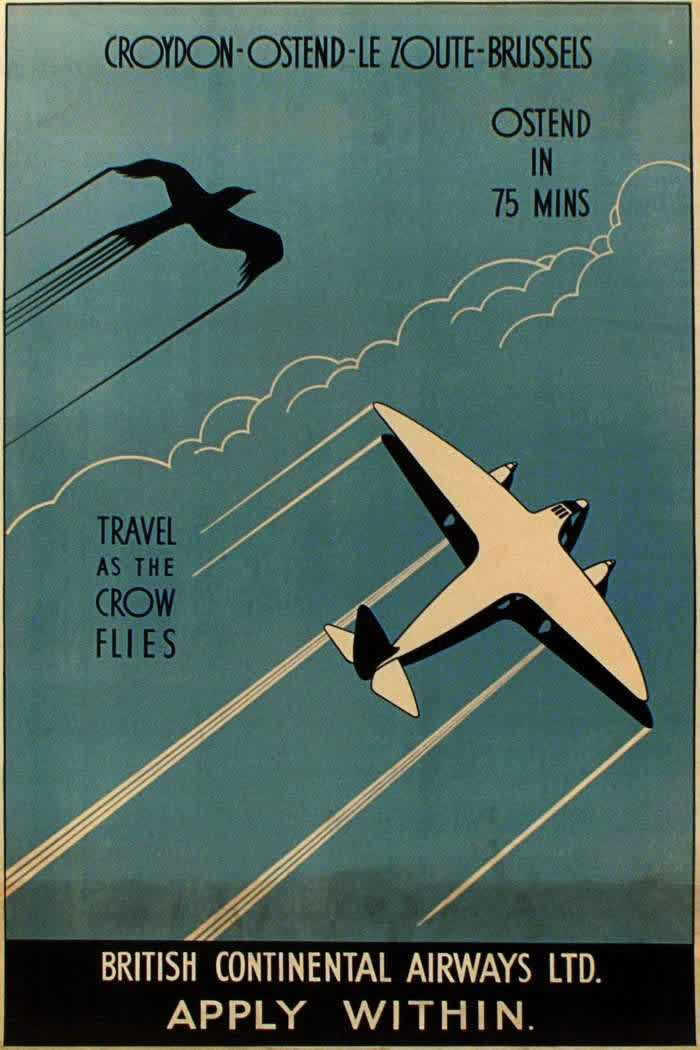
#18 Advertising the Skies: A Look at Imperial Airways Posters Promoting Early Air Travel in the 1920s and 1930s #1
Modernist lettering stretches across a cool blue sky—“Croydon–Ostend–Le Zoute–Brussels”—while a sleek airliner banks beneath a single drawn cloud and the silhouette of a crow. The design is spare but confident, turning speed into a promise with “Ostend in 75 mins” and the memorable slogan “Travel as the crow flies.” With long, stylized motion lines trailing…
-

#11 A Look Back at Vintage Modern Photography Magazine Covers from the 1950s and 1960s #11 Cover Art
Bold typography shouts “modern PHOTOGRAPHY” across a saturated red field, setting an unmistakably mid-century tone that feels both editorial and playful. The cover pairs clean, sans-serif lettering with a tightly cropped figure in a green two-piece swimsuit, leaning into the era’s fascination with streamlined design and confident, graphic composition. Even the slight wear and creasing…
-
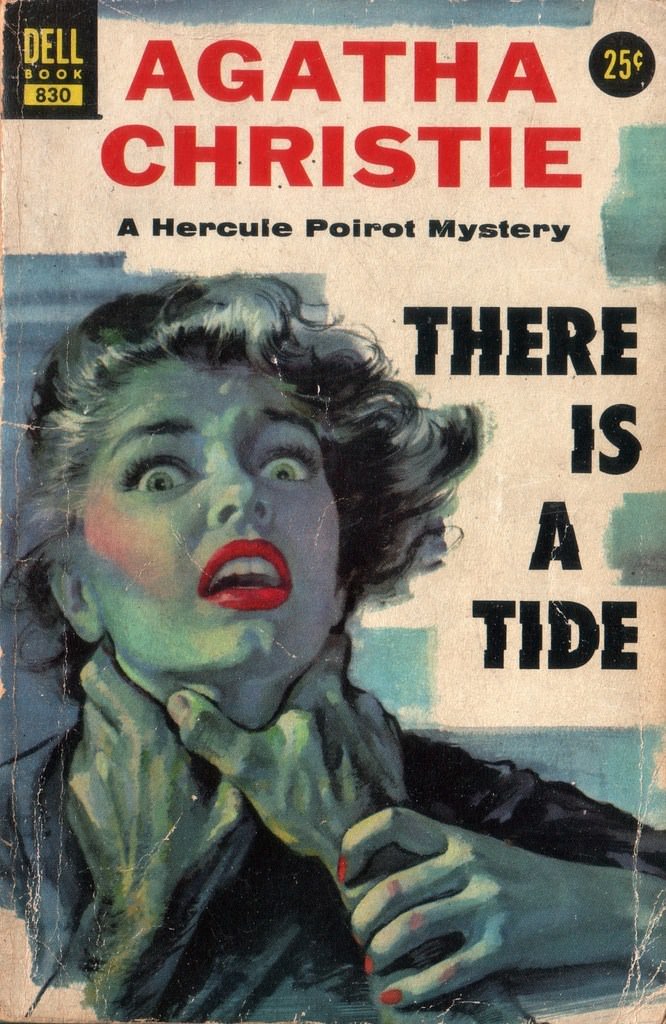
#7 There is a Tide (UK title: Taken at the Flood ), 1955
Bold pulp color and high-stakes drama leap from this 1955 cover art for Agatha Christie’s *There Is a Tide* (issued in the UK as *Taken at the Flood*). The Dell Book branding and the prominent “25¢” price badge place it firmly in the mid-century paperback moment, when mystery fiction was sold with vivid, urgent visuals…
-
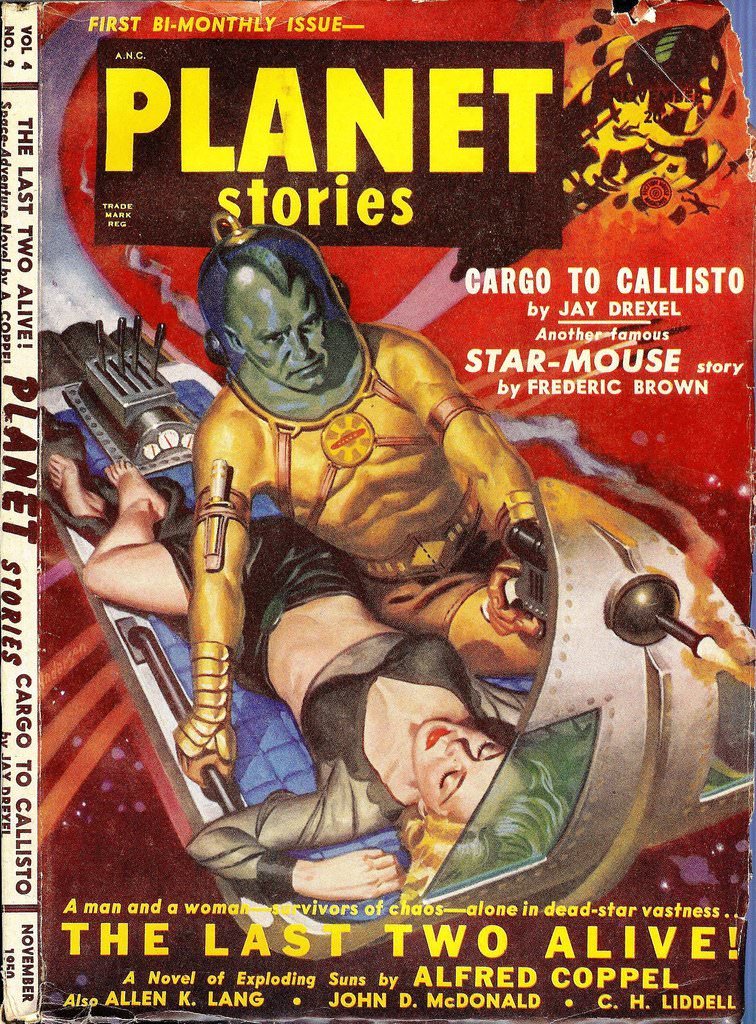
#12 Planet Stories, 1950
Bold pulp typography and a blazing palette pull you straight into the world of *Planet Stories* (1950), a classic slice of mid-century science fiction cover art. The giant yellow title, the “first bi-monthly issue” banner, and the urgent cover lines are pure newsstand-era marketing—designed to stop readers cold and promise action, danger, and spectacle in…
-
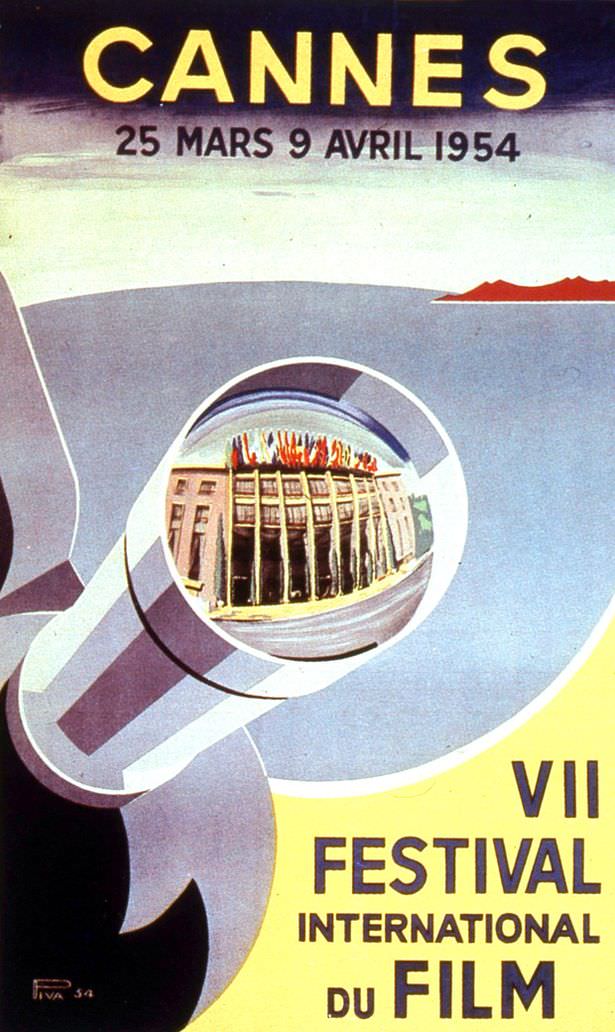
#8 1954: The year someone had the bright idea of incorporating a palm leaf motif on all the trophies and the Cannes emblem was born. No one thought to put it on the seafaring-going-to-war-style poster though.
Bold lettering announces “CANNES” above the dates “25 MARS 9 AVRIL 1954,” setting the tone for a piece of mid-century festival design that feels both official and playful. The composition leans into modernist geometry: sweeping blocks of color, a simplified emblem-like form, and a circular “window” that frames a seaside façade lined with flags, as…