Category: Inventions
Explore the fascinating evolution of technology through historic inventions that changed the world. From early aviation to bizarre gadgets — creativity knows no bounds.
Each photo celebrates human innovation and the spirit of discovery that pushed civilization forward.
-
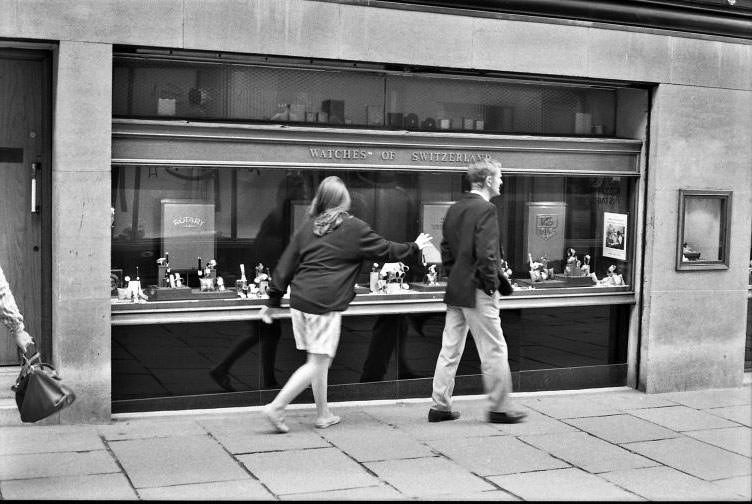
#11 Rose Crescent
Along Rose Crescent, a long shopfront window turns the pavement into a moving gallery, where pedestrians glide past neat rows of timepieces and gleaming display stands. The sign above the glass—advertising “watches” and “Switzerland”—anchors the scene in the world of precision craft, while reflections ripple across the window like a second street layered over the…
-
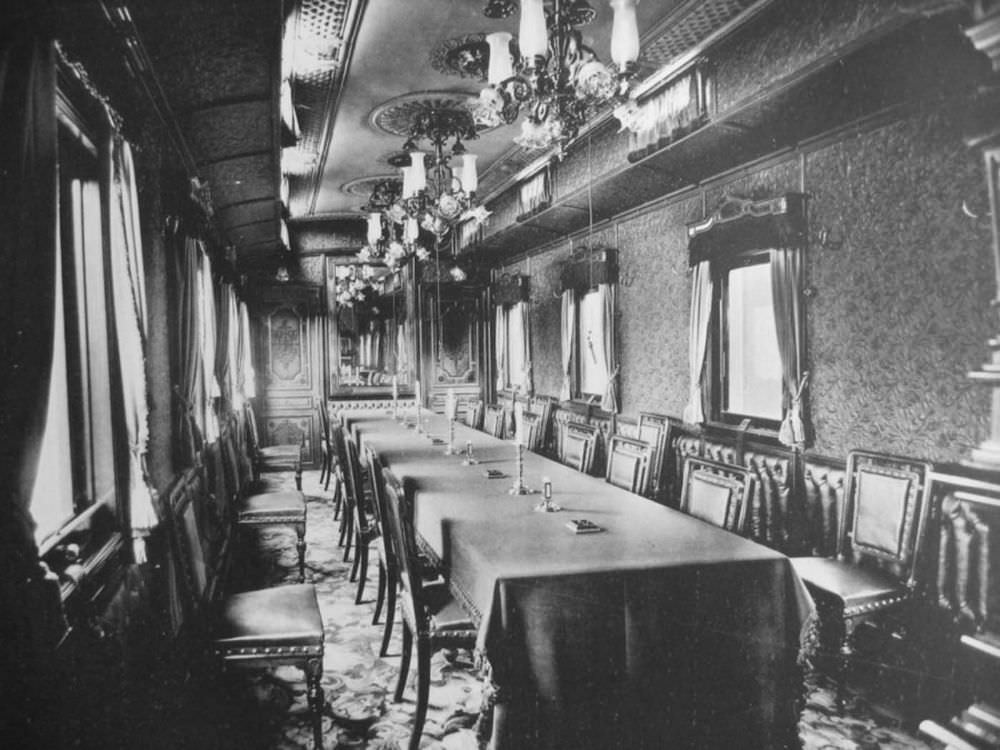
#9 The dining-car on the Imperial train.
Gold-toned chandeliers and patterned ceiling panels draw the eye down a long, narrow dining-car, where a single table stretches almost the full length of the carriage. Crisp linen, evenly spaced place settings, and high-backed chairs suggest a space designed for ceremony as much as comfort, even while the train was in motion. Along one side,…
-
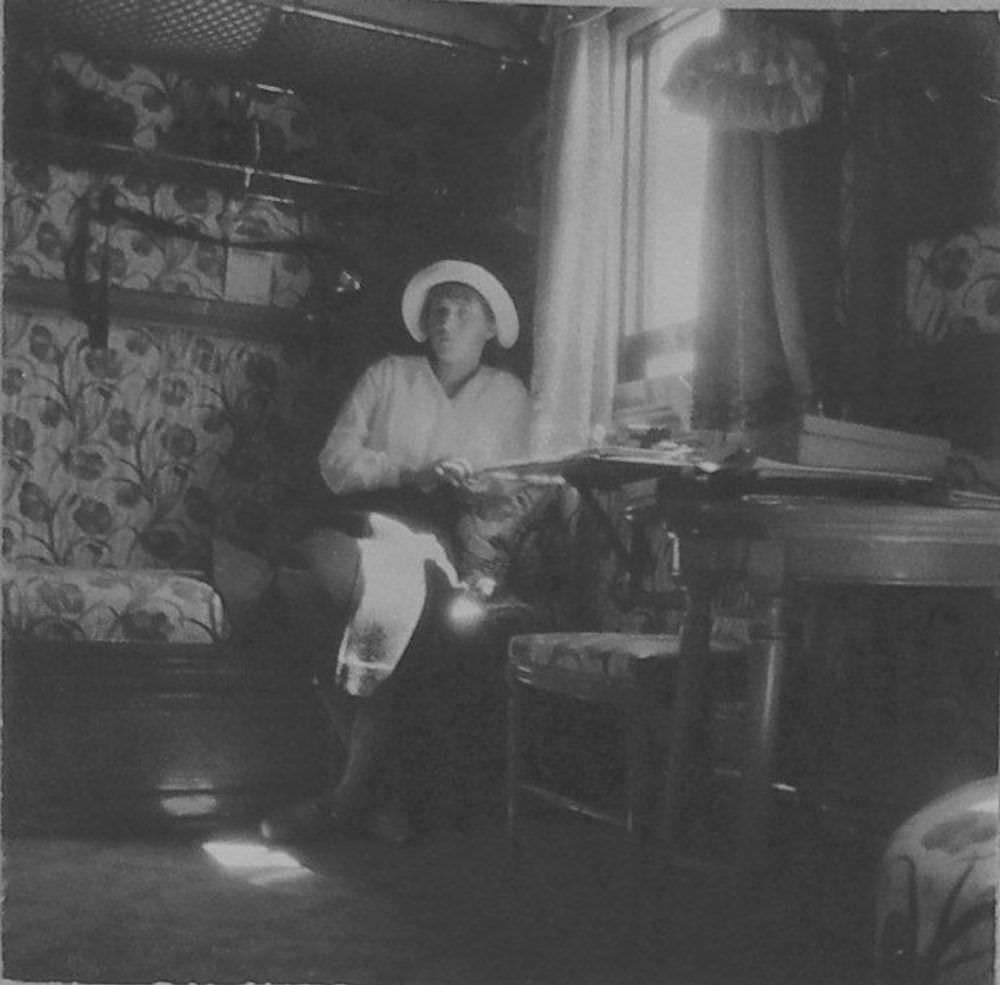
#25 Grand Duchess Anastasia inside the Imperial train in 1916.
Soft light from a carriage window cuts across the upholstered compartment, where Grand Duchess Anastasia sits in a quiet, almost domestic pose aboard the Imperial train in 1916. Patterned fabrics, heavy curtains, and polished surfaces turn the space into a moving salon, suggesting how imperial travel blended comfort with the strict routines of court life.…
-

#11 Skiway: The Flying Trams in Mount Hood, Oregon in the 1950s #11 Inventions
Suspended above the snowfields of Mount Hood, an eye-catching red “Skiway” tram glides along a web of cables like a streetcar that forgot the streets. Its streamlined body and big windows evoke mid-century optimism, when engineers and resort owners imagined the mountain as a place where modern transit could conquer steep terrain. Against the deep…
-

#12 Hair Protector to Be Worn While Eating
A bright, pleated collar in candy-pink frames the diner’s face like a theatrical ruff, turning an ordinary bowl of noodles into a small stage for ingenuity. The “hair protector” sits snugly around the cheeks and neck, creating a barrier that keeps loose strands away from broth, sauce, and steam. Even without context, the contraption’s mix…
-
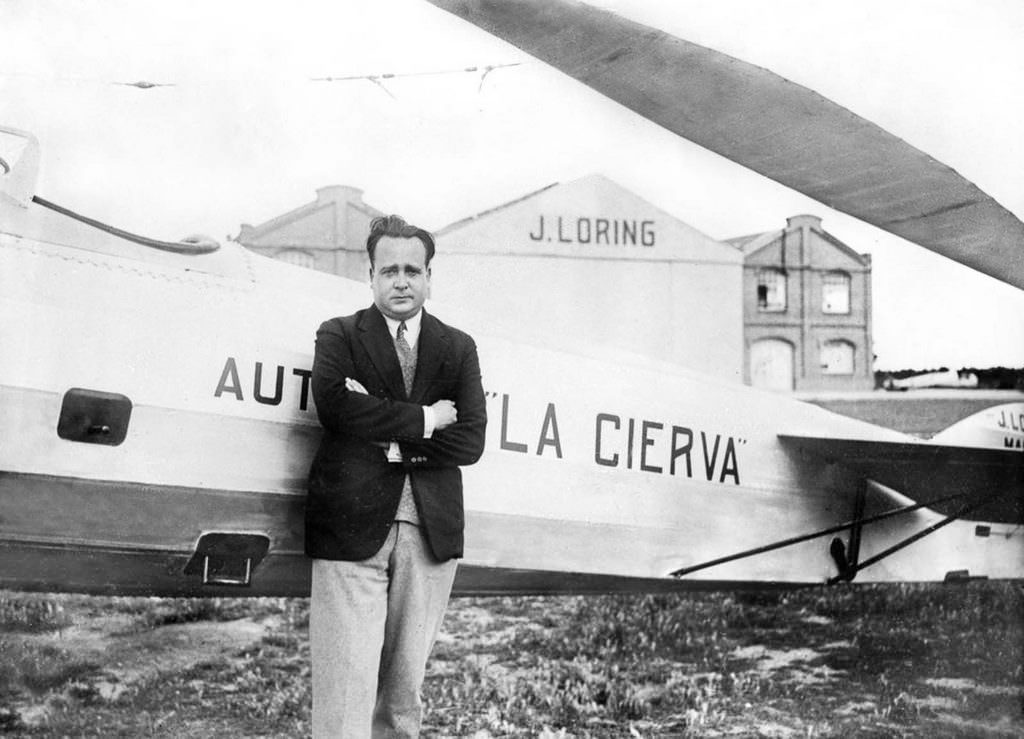
#8 Juan de la Cierva, inventor of the autogyro. 1929.
Juan de la Cierva stands with arms folded beside an aircraft bearing the word “AUTOGIRO,” its long rotor blade stretching across the top of the frame like a promise of a new kind of flight. The clean fuselage lettering and the calm, formal pose evoke a moment when aviation was still defining its possibilities, and…
-
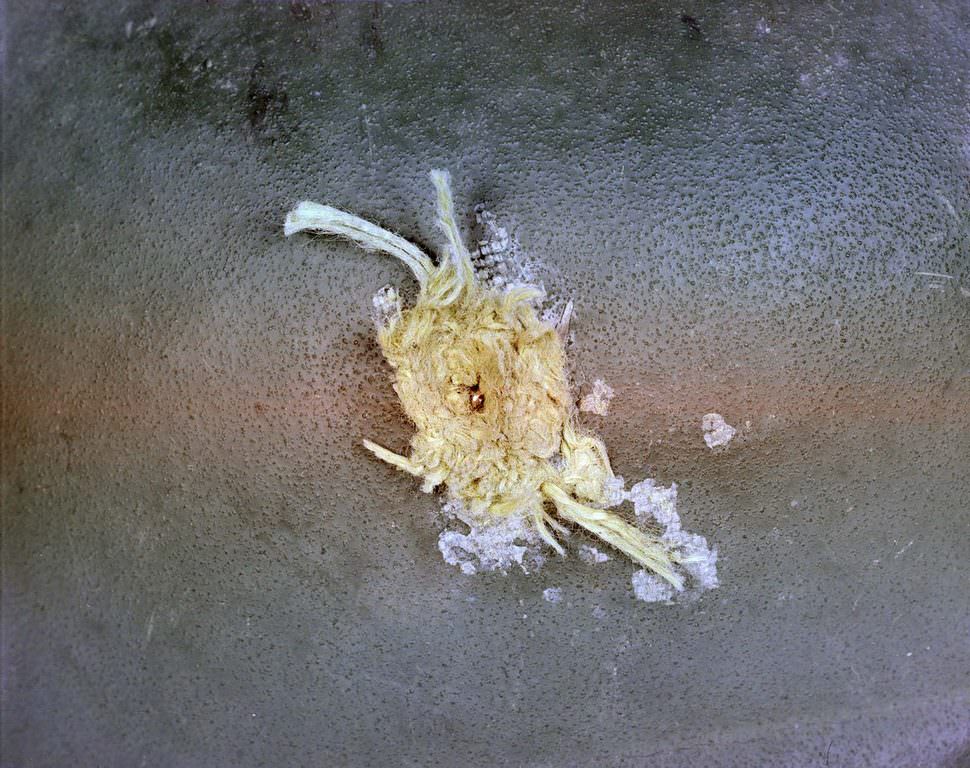
#11 PASGT helmet in combat condition after Grenada, 1983.
Up close, the PASGT helmet’s surface tells its story in texture rather than words: a rough, pebbled finish surrounding a brutal puncture where the outer shell has been torn open. Frayed fibers erupt from the impact point, and small chips and scuffs radiate outward, the kind of damage that only hard use can produce. The…
-
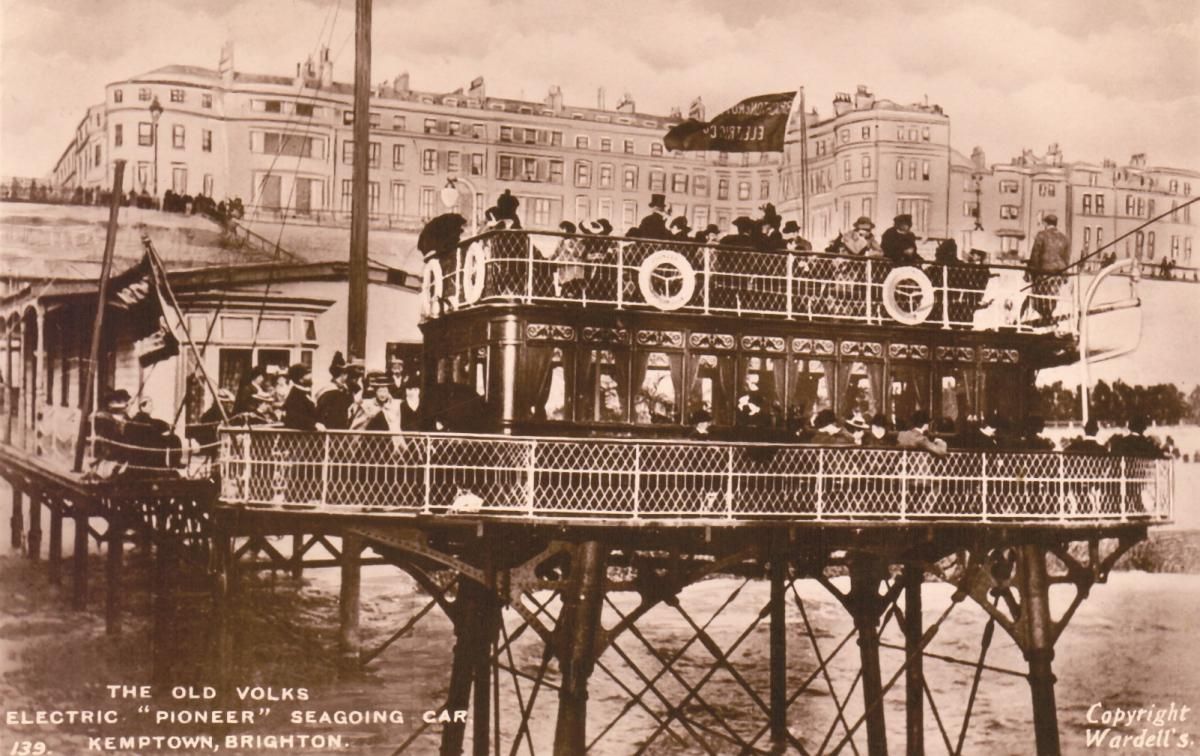
#6 Daddy Long-Legs Railway Of Brighton: A Weird But Interesting Seaside Electric Train Invented In 1896 #6
Crowds cluster along the railings of a two-level sea-going carriage, hats and coats packed shoulder to shoulder as if for a holiday outing rather than a railway ride. The oddity is the setting: not tracks on land, but a vehicle poised over the water on spindly supports, with waves rolling beneath and a bright, open…
-
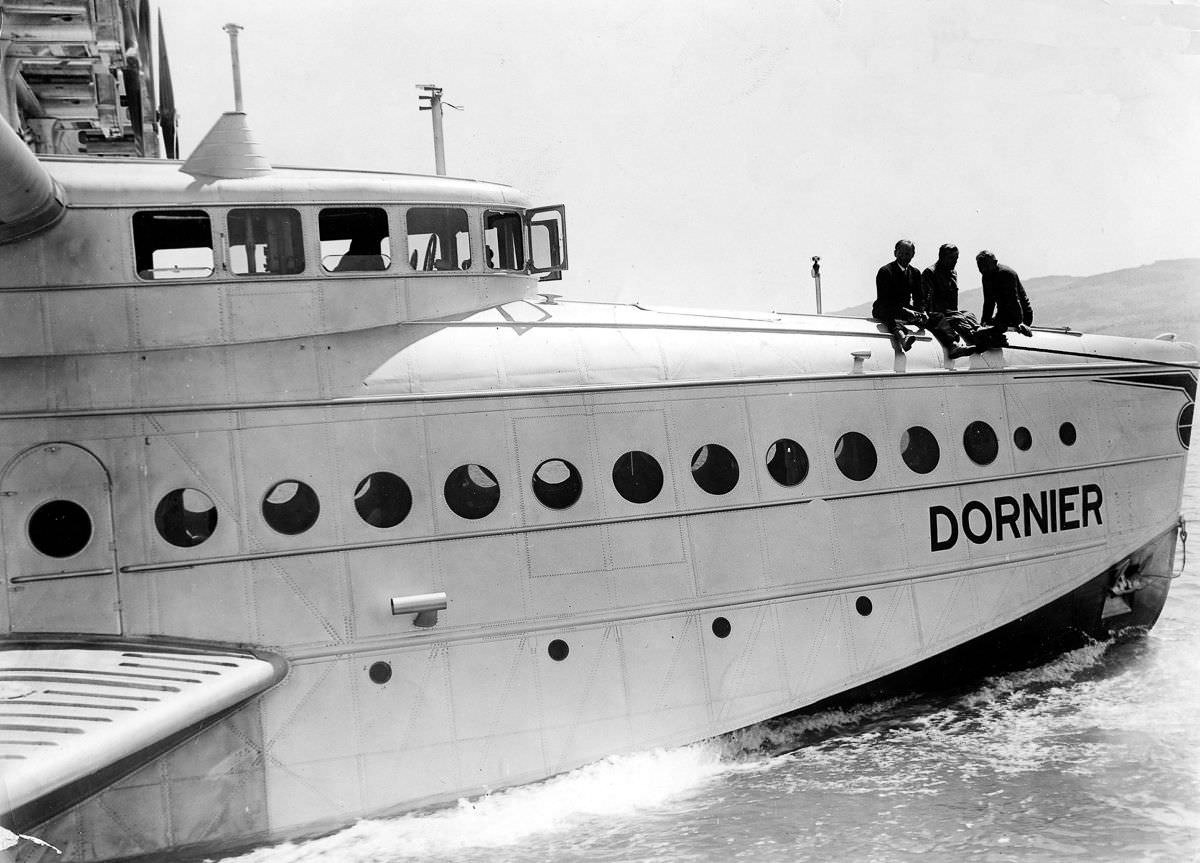
#2 1930
Along the hull of a sleek waterborne aircraft, the name “DORNIER” stands out in bold letters, a proud signature of interwar engineering. A neat row of round portholes marches toward the bow, while the cockpit’s squared windows and riveted metal skin hint at the careful craftsmanship behind early commercial aviation. Three figures sit casually atop…
-
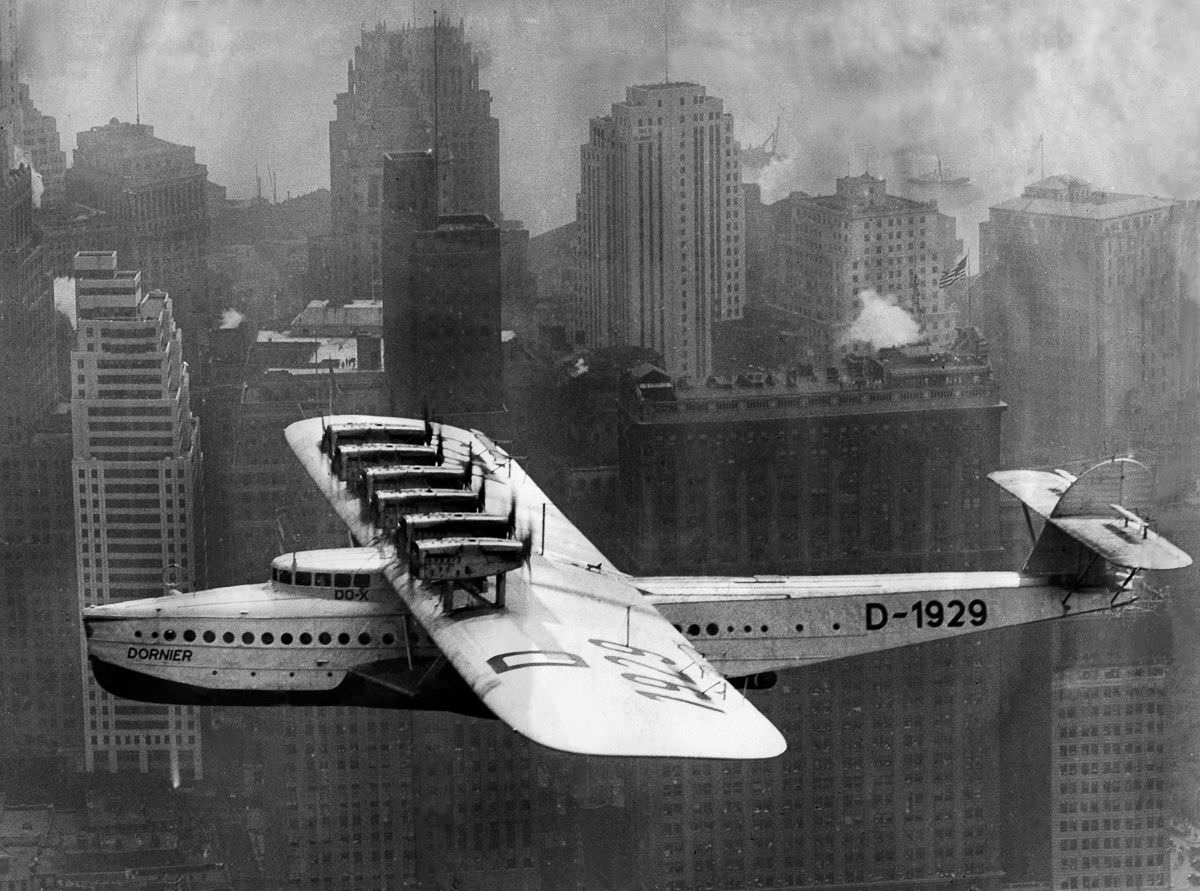
#18 The Dornier Do-X flies past the New York City skyline,Sept. 1, 1931
Gliding through a hazy New York City skyline on September 1, 1931, the Dornier Do-X looks less like a conventional airplane and more like an ocean liner that learned to fly. Its broad wings carry a row of engine nacelles, and the boat-shaped fuselage—marked “DORNIER” and “DO-X”—signals its identity as a flying boat built for…