Category: Inventions
Explore the fascinating evolution of technology through historic inventions that changed the world. From early aviation to bizarre gadgets — creativity knows no bounds.
Each photo celebrates human innovation and the spirit of discovery that pushed civilization forward.
-
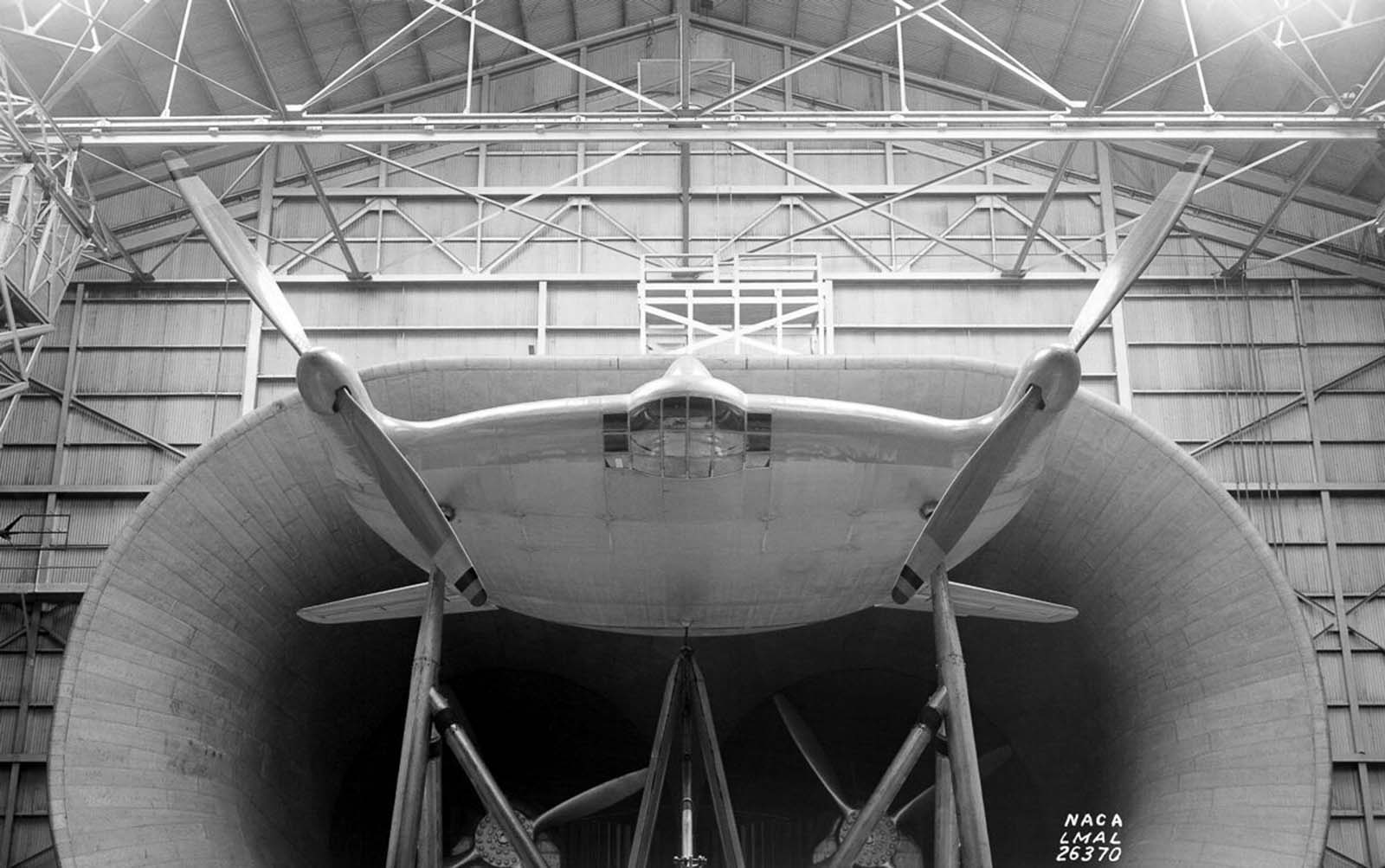
#3 A prototype Vought-Sikorsky V-173 airplane mounted in the Full Scale Wind Tunnel, 1941.
Dominating the frame like a flying saucer set on scaffolding, the Vought-Sikorsky V-173 prototype sits mounted at the mouth of the Full Scale Wind Tunnel in 1941. Its broad, circular wing blends into a compact fuselage, while two large propellers flank the aircraft with blades poised for testing rather than takeoff. Above and around it,…
-
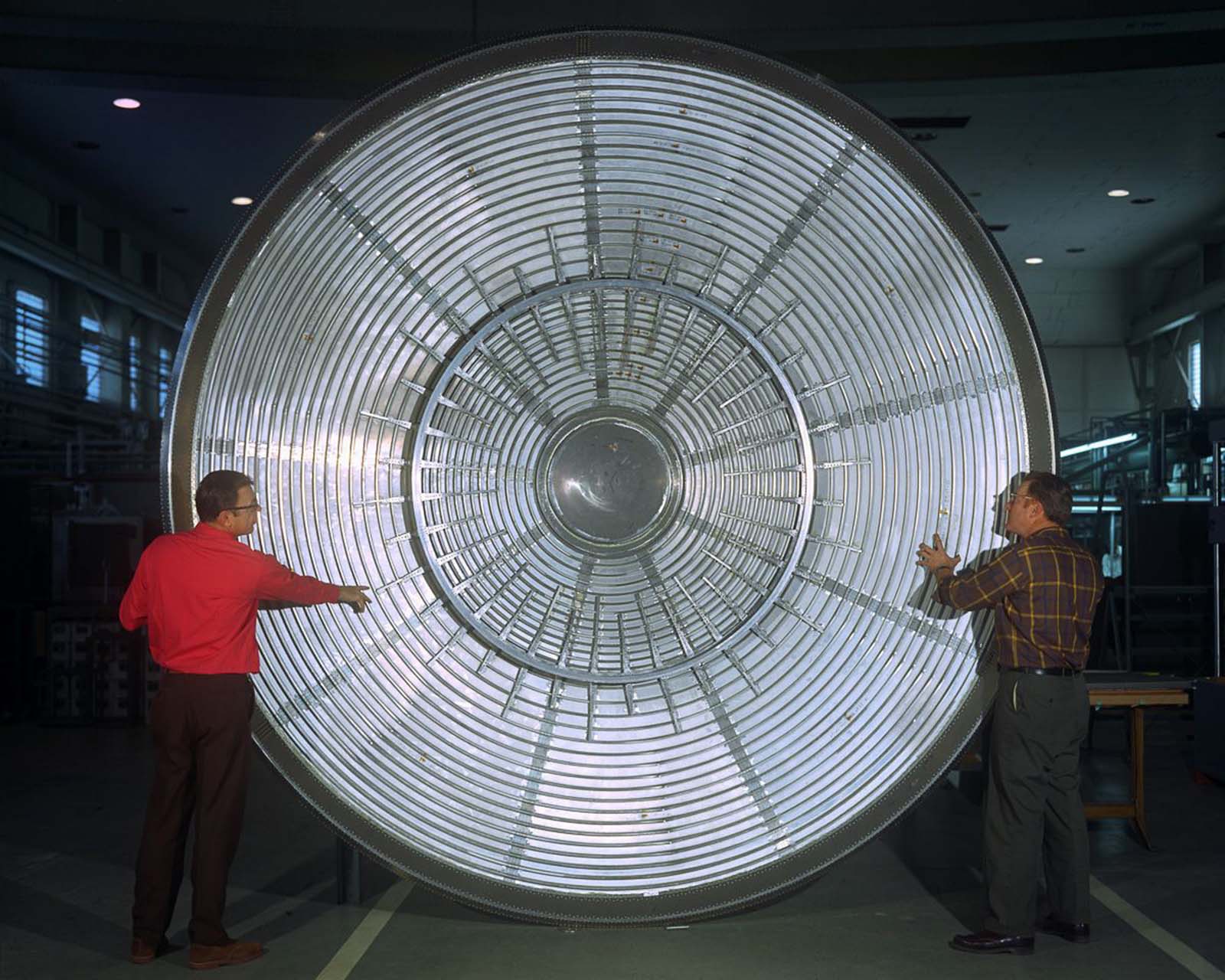
#19 The aeroshell which protected the Viking lander during its entry into the Martian atmosphere, 1973
A huge, dish-like structure dominates the frame, its concentric ribs and reflective surface turning an engineering component into something almost architectural. Two technicians stand at either side for scale, their gestures drawing the eye toward the aeroshell’s broad face and the smaller circular section at its center. Seen head-on, the hardware feels both simple in…
-
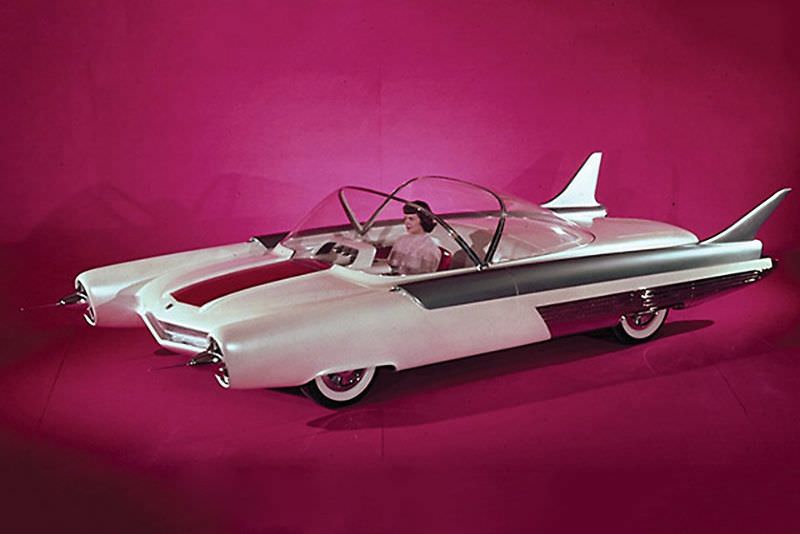
#3 1954 Ford FX-Atmos: The Futuristic Car with Glass Dome Roof, Tail fins, and Rocket exhaust taillights #3 <
Rocket-age optimism pours out of the 1954 Ford FX-Atmos concept car, a gleaming experimental design that looks more like a jet cockpit than a road-going automobile. The smooth, sculpted body is capped by a clear glass dome roof that wraps the cabin in a bubble, suggesting speed, safety, and spectacle all at once. Even the…
-
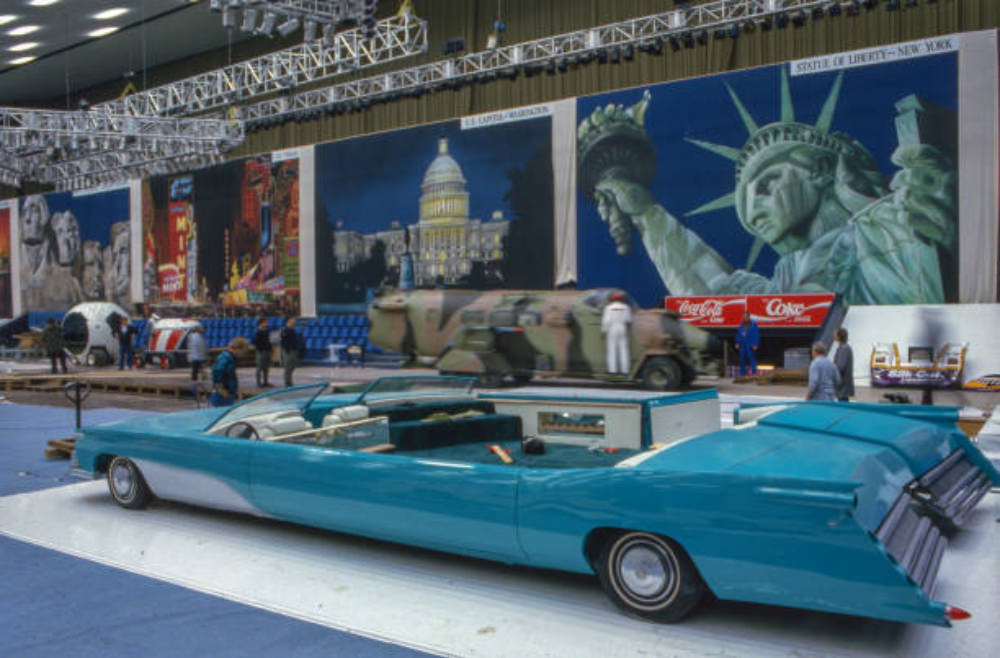
#5 Double-Wide Limousine: The Weird Car that Spanned 2.5 Cars Wide and 30 Feet Long from the 1980s #5 Inve
Stretching across a show floor like a rolling experiment, the double-wide limousine in this photo turns the familiar idea of an ’80s limo into something closer to a land yacht. Its turquoise body seems to fan outward, with broad, angular rear fins and a low, elongated profile that makes nearby vehicles feel suddenly modest. Even…
-
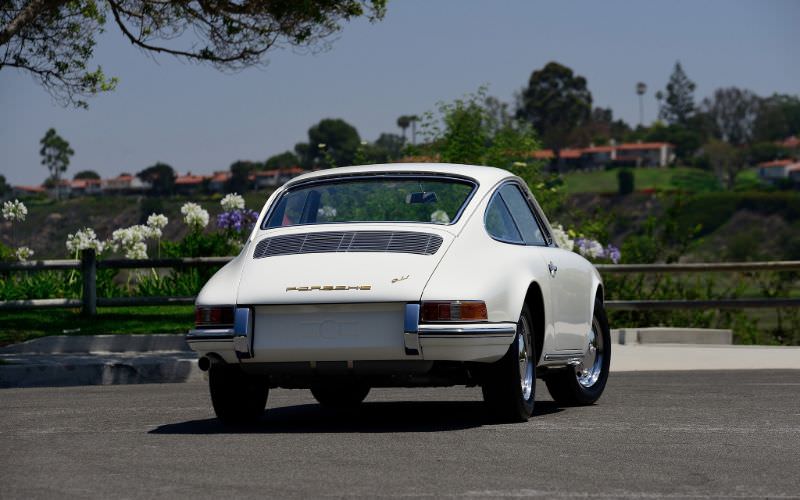
#5 Stunning Photos of the 1966 Porsche 911 Luxury Sports Car #5 Inventions
Curving away from the camera, a classic Porsche 911 sits poised on open pavement, its rear-engine silhouette instantly recognizable in the soft daylight. The white paintwork and chrome trim catch the sun, while the simple, rounded tail and vents hint at the engineering priorities that made early 911s feel both purposeful and elegant. In the…
-

#9 One of Aquitania’s officers is dwarfed by the towering forward funnel and a collection of cowl ventilators.
Beneath the immense forward funnel of the Aquitania, a solitary officer stands on deck, reduced to a human scale against a wall of steel and riveted plate. The camera’s low angle emphasizes how ship designers used height and mass to project power, while the surrounding rigging lines and guardrails frame the scene like a cathedral…
-
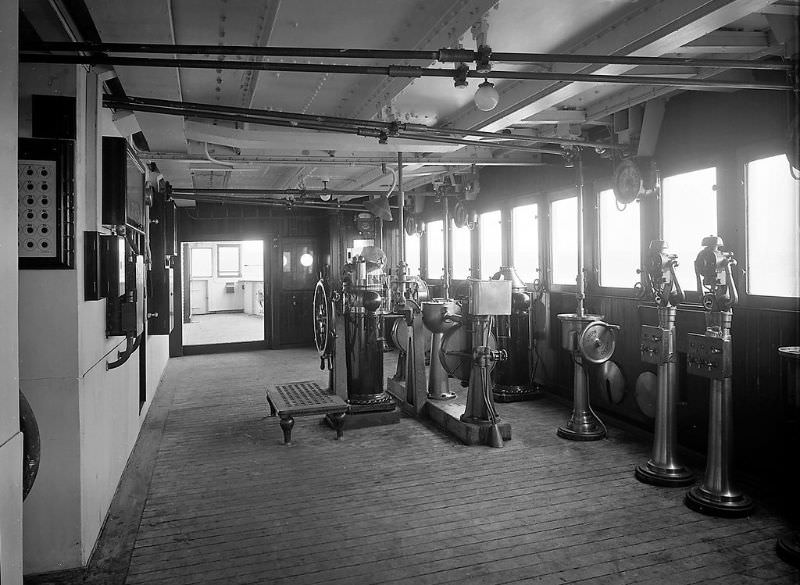
#25 Aquitania Wheelhouse, part of the Navigating Bridge on the Boat Deck.
Step into the wheelhouse of Aquitania and the purpose of the space becomes instantly clear: every surface is built for navigation. A long row of windows floods the boat deck bridge with light, while sturdy timber decking and exposed overhead piping underscore the ship’s practical, engineered character. The view down the length of the navigating…
-
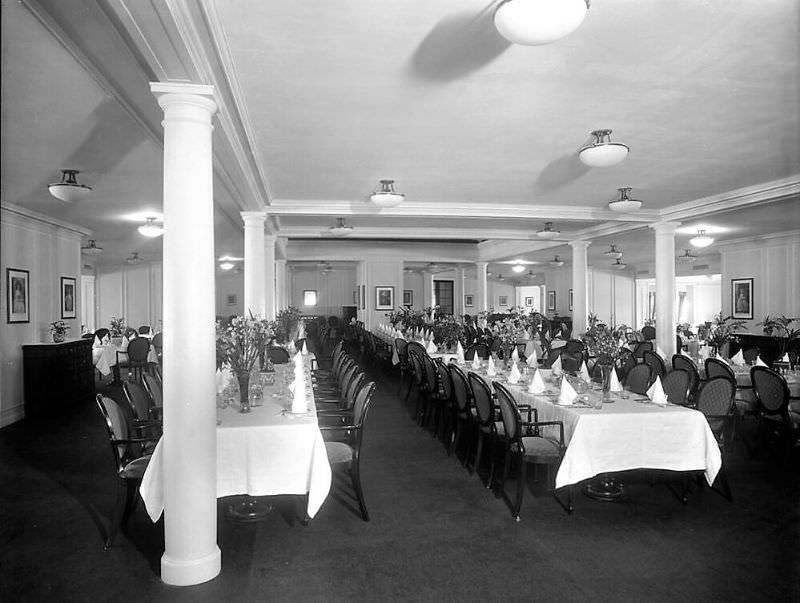
#41 The 2nd Class Dining Saloon aboard Aquitania, May 1914
Long tables march down the length of Aquitania’s 2nd Class dining saloon, dressed in crisp white linen and set with neatly folded napkins that signal order before the first course ever arrives. Rows of matching chairs and evenly spaced pillars create a sense of calm symmetry, while simple ceiling lights and framed wall pictures hint…
-
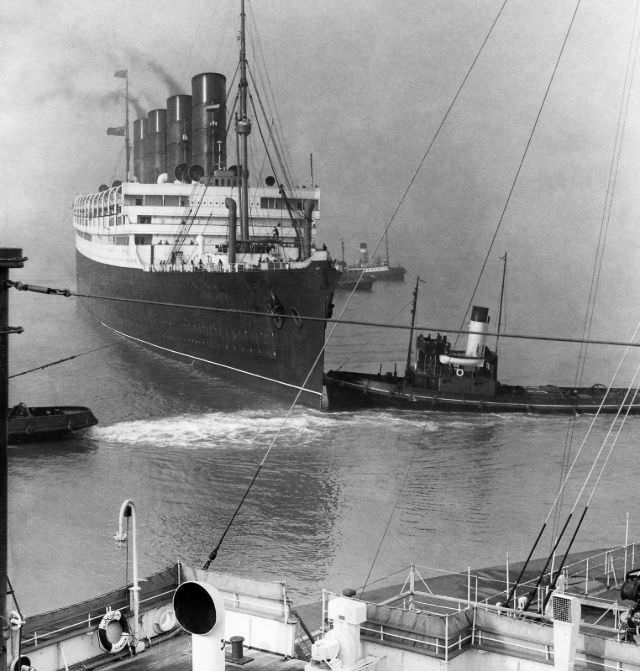
#58 Aquitania arriving at Southampton, which after WWI replaced Liverpool as the ‘big ship’ terminal, circa 1927
Aquitania looms into Southampton Water with the quiet authority of a true ocean greyhound, her high bow cutting a soft wake as tugboats fuss alongside. Four tall funnels dominate the skyline, and the ship’s layered decks and rows of portholes hint at the scale of the transatlantic trade that made liners into floating cities. In…
-
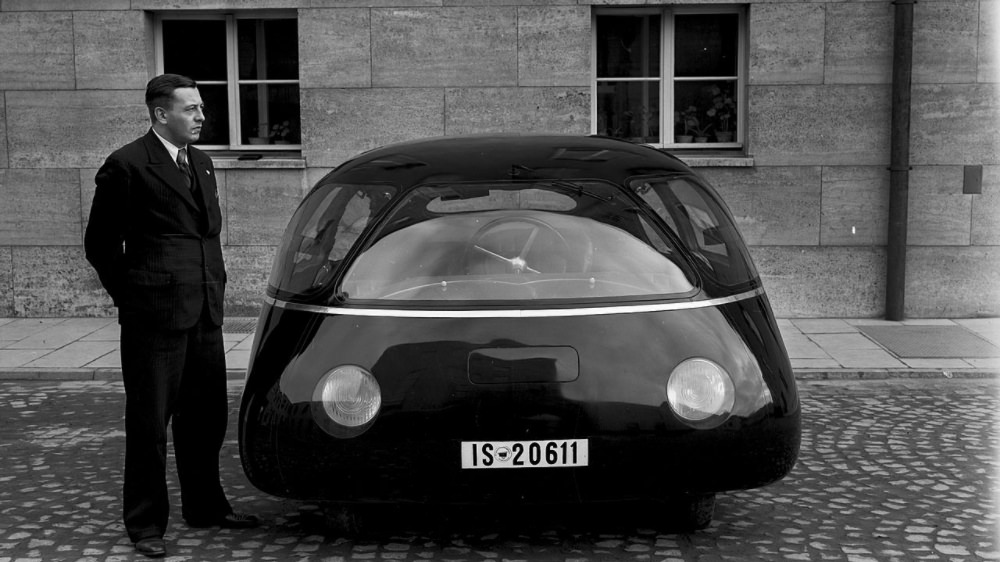
#2 1939 Schlörwagen, The Bizarre Ultra-Aerodynamic German Car that Never Made it #2 Inventions
Parked against a plain stone façade, the Schlörwagen looks less like a conventional automobile and more like a rolling experiment in airflow. Its bulbous, teardrop body and glassy canopy swallow the front end in a single smooth curve, while the headlights sit like portholes on a sealed shell. A suited observer stands beside it for…