Category: Artworks
Step into the world of timeless artworks that shaped our visual culture. Explore rare paintings, sculptures, and creative masterpieces that reveal the evolution of artistic expression through centuries.From Renaissance genius to modern minimalism, each piece tells a story of imagination, innovation, and beauty that continues to inspire artists and collectors worldwide.
-
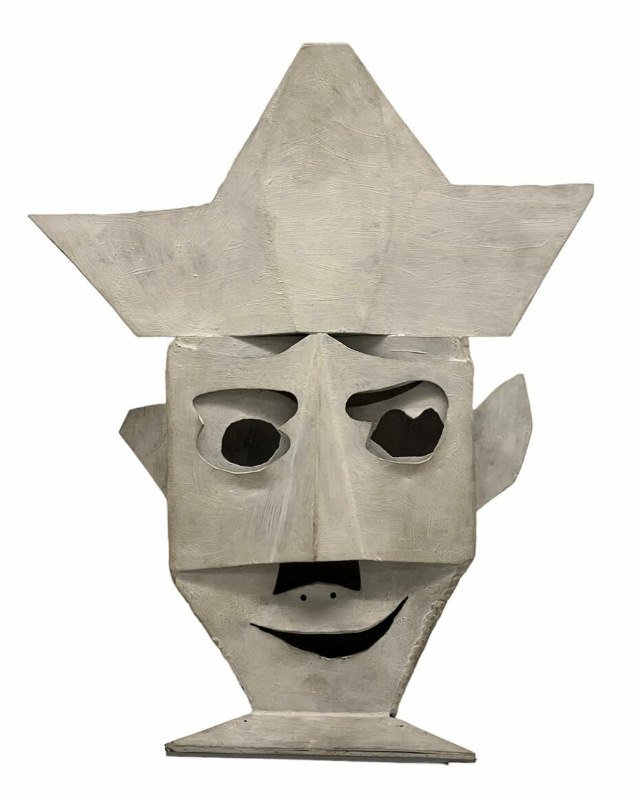
#19 Paper Mosaics: Picasso’s Rare Cut-Paper Artworks #19 Artworks
A theatrical paper face stares out with cut-out eyes, a sharply folded nose, and a sly, curved smile, all crowned by a broad, angular hat. The surface looks worked and reworked—creases, scuffs, and layered planes turning humble paper into something sculptural and mask-like. Set against a plain background, the piece reads as both portrait and…
-
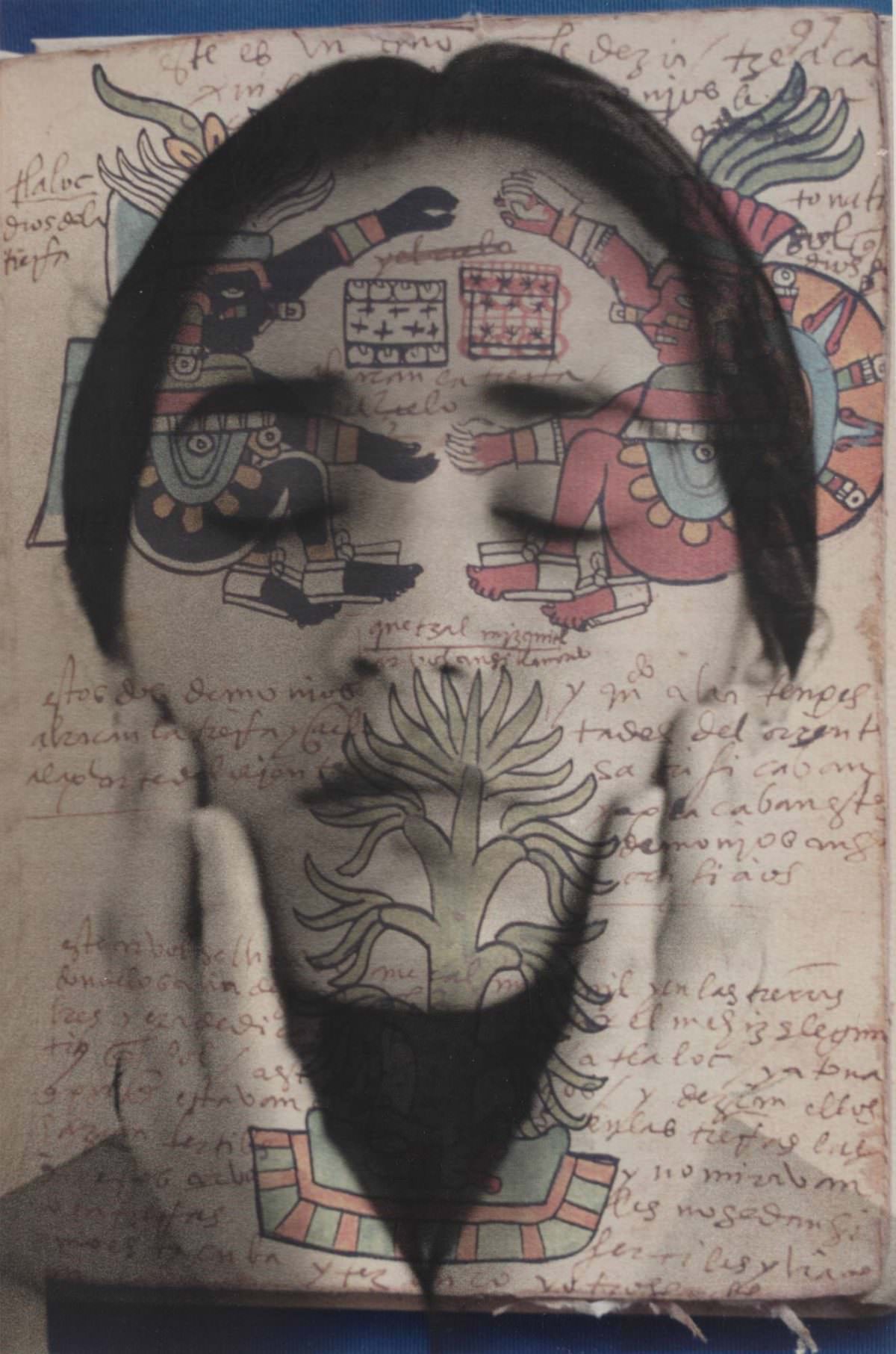
#2 Tatiana Parcero, Interior Cartography, 1996.
Tatiana Parcero’s *Interior Cartography* (1996) layers a softly rendered human face over a densely worked page of handwriting and vivid, codex-like figures. The effect is immediate: portraiture becomes a palimpsest, where memory, text, and symbolic imagery press through the skin. Muted grayscale features hover in front while color—reds, blues, and ochres—anchors the background with a…
-
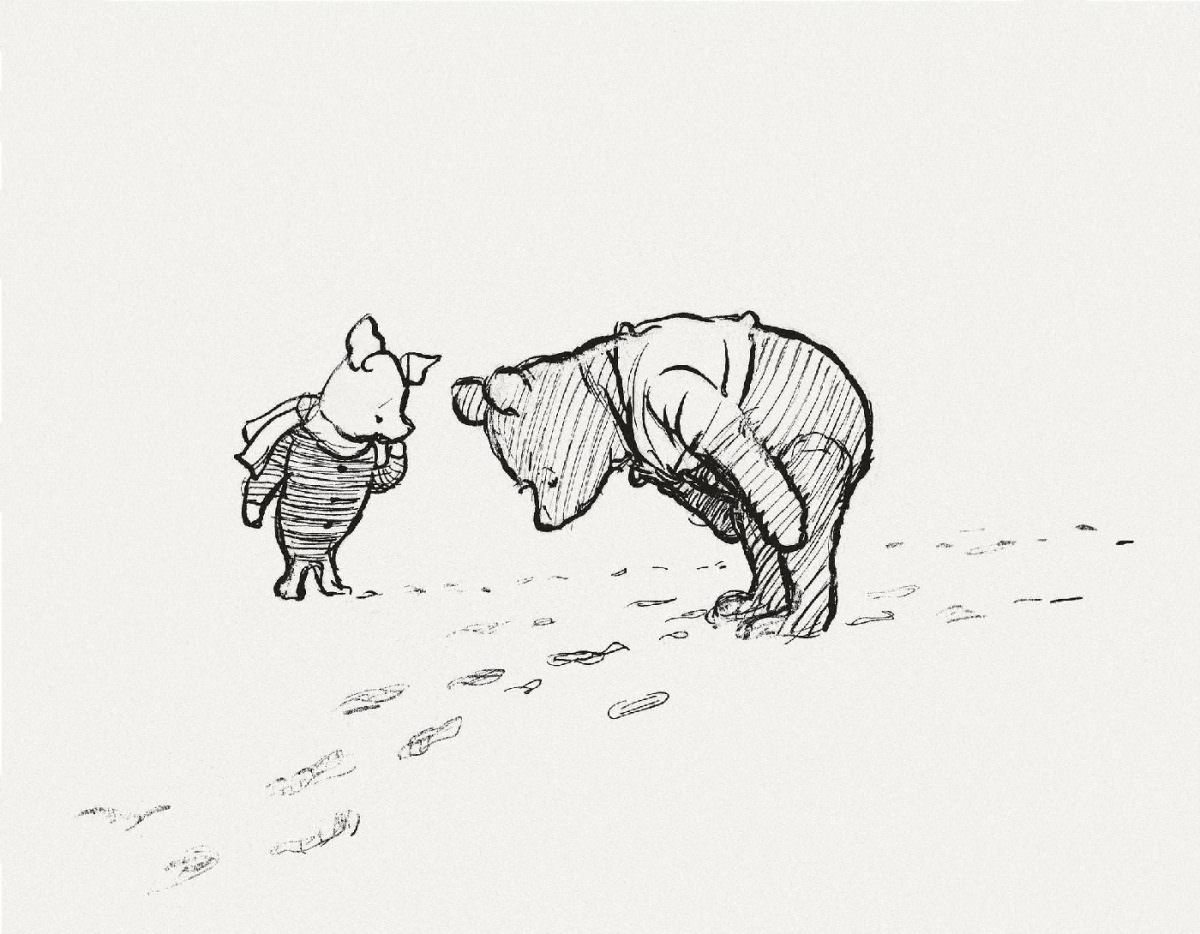
#8 Do You See Piglet? Look At Their Tracks!
A small figure stands bundled in a striped outfit while a larger companion bends low to study the ground, their attention fixed on a winding trail of footprints. With just a few lively pen strokes and plenty of open space, the artist turns “Do You See Piglet? Look At Their Tracks!” into a quiet moment…
-
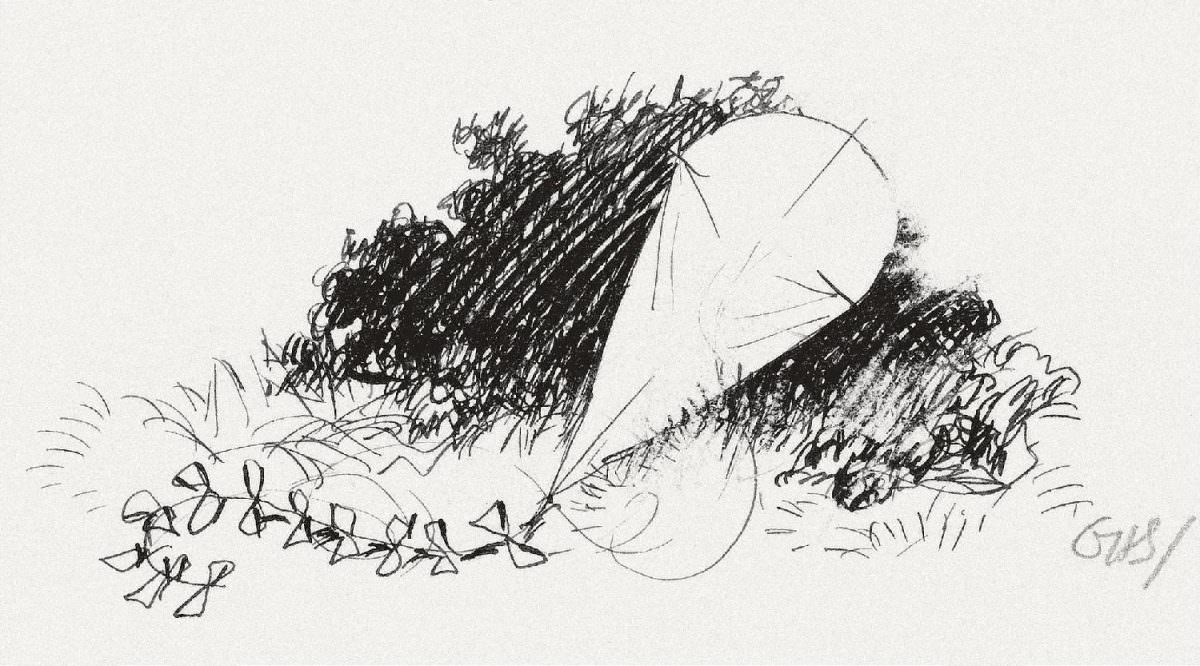
#24 Tailpiece illustration to AA Milne’s ‘Wind on the Hill
A brisk line of pen and ink turns the “Wind on the Hill” into something you can almost hear, with hurried strokes massing into dark shrubs and a pale, sloping rise left deliberately open. Across the foreground, a string of small bow-like forms—suggesting bent stems, seedheads, or a tossed garland—skitters along the ground as if…
-
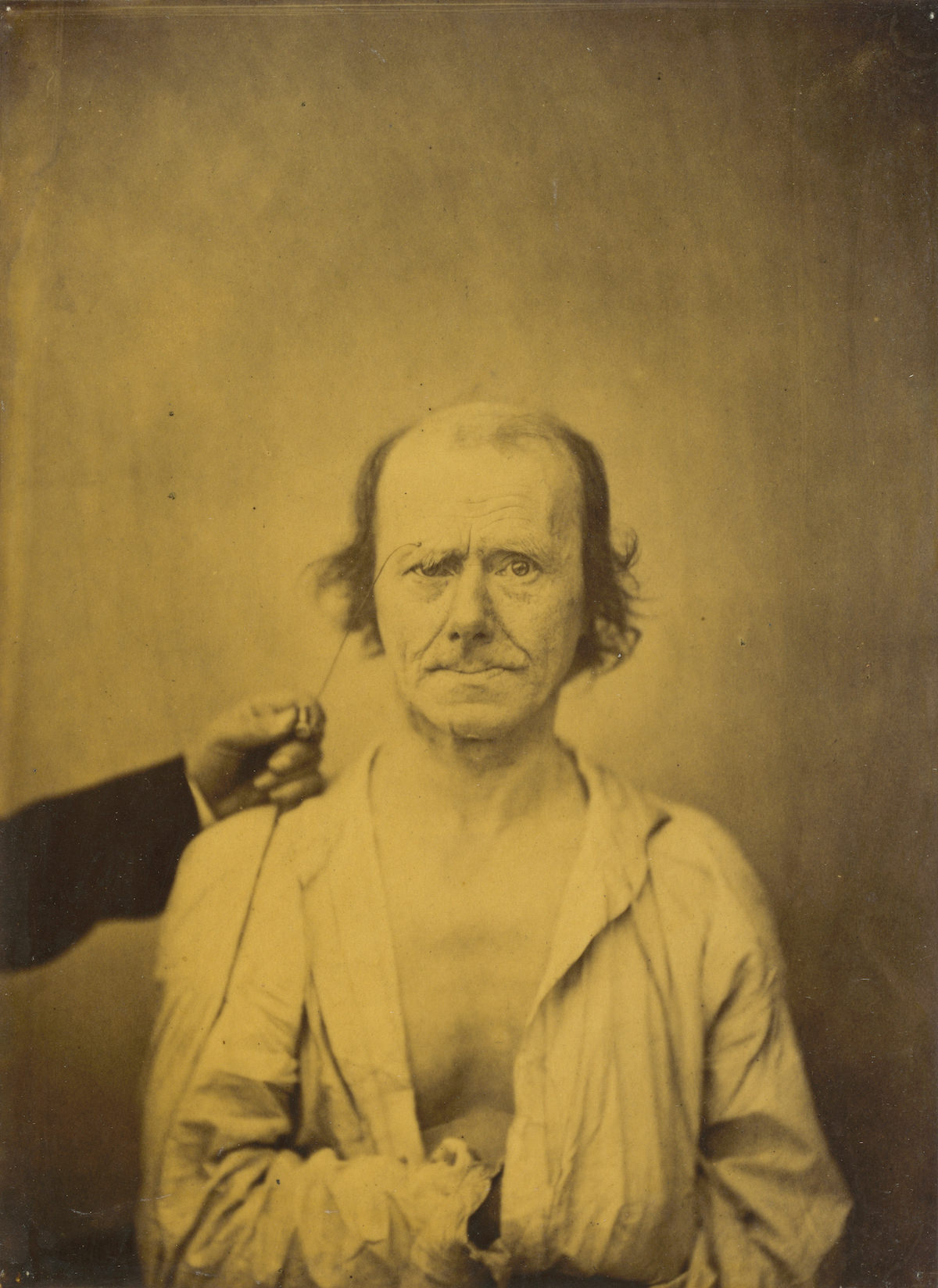
#12 ttention (left); Reflection (right)
A spare studio backdrop and a warm, aged tone place all emphasis on the sitter’s face, where one eye seems to hold steady while the other is drawn upward by a thin cord guided from the side. The man’s loosened shirt and uncluttered setting feel deliberately plain, as if the scene is meant to be…
-
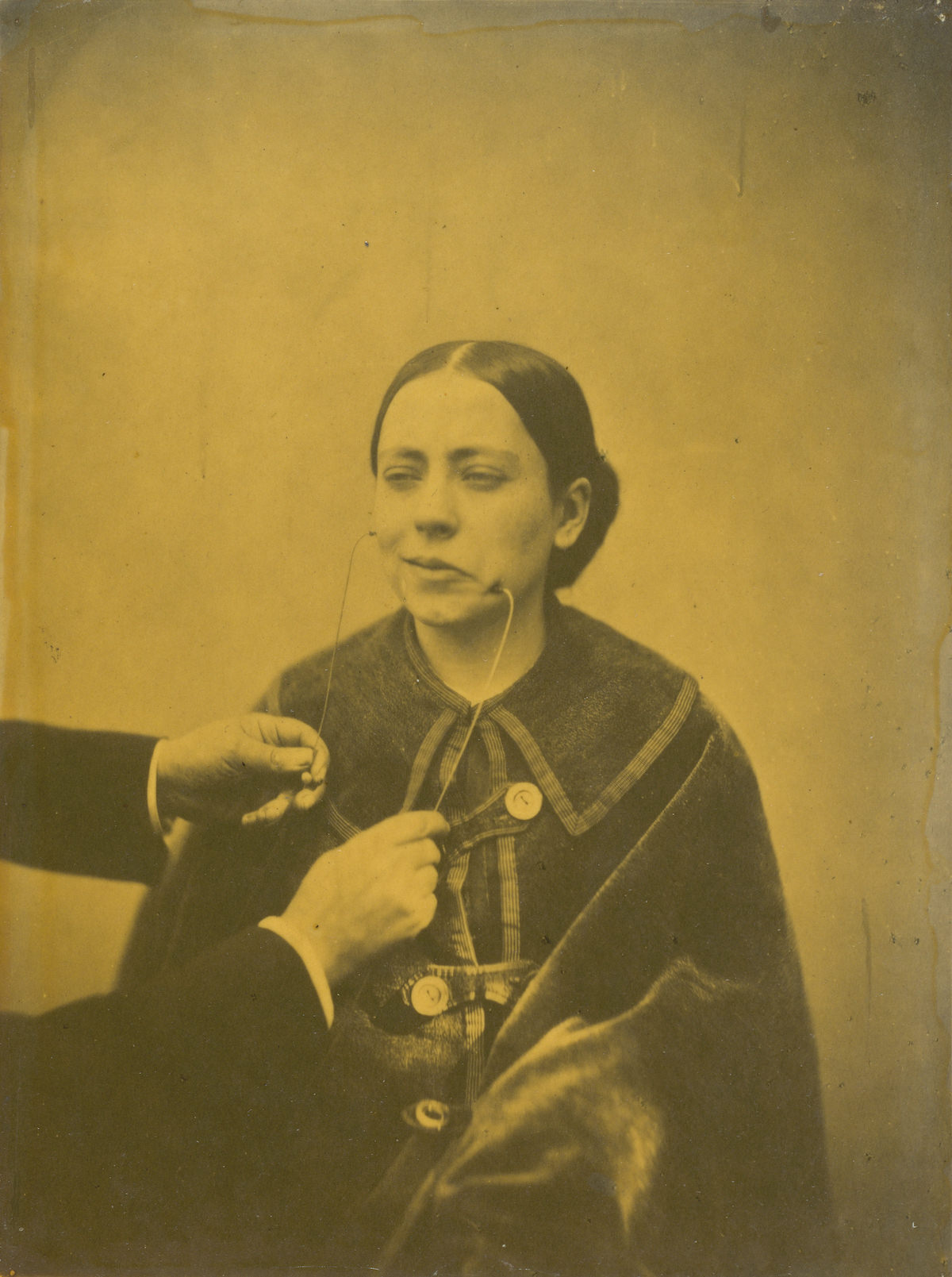
#28 Figure 50: Affected weeping and face in repose
A young woman sits against a plain studio backdrop, her hair parted and smoothed back, her expression hovering between composure and strain. The title, “Figure 50: Affected weeping and face in repose,” points the viewer toward the smallest signals—tightened lips, softened eyelids, the slight slackening that follows an attempted show of emotion. Even the warm,…
-
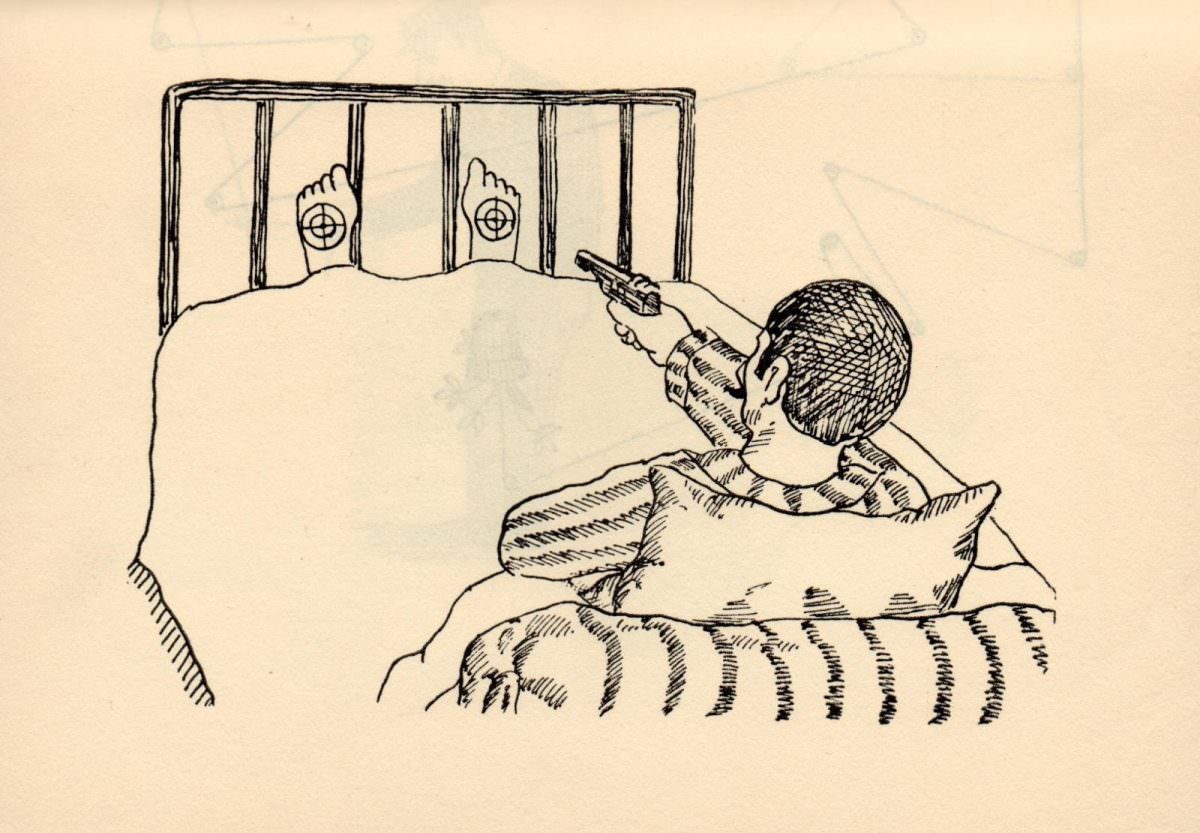
#8 Exploring the Depths of Pain: Roland Topor’s 1960 Illustration of Masochism #8 Artworks
Roland Topor’s unsettling 1960 illustration stages a bedroom as a theater of control, where comfort and menace share the same sheets. A figure reclines against a pillow, arm extended, aiming a small handgun toward the footboard, while two bare feet rise from beneath the blanket like a punchline turned sour. The stark pen lines and…
-

#24 Exploring the Depths of Pain: Roland Topor’s 1960 Illustration of Masochism #24 Artworks
A suited figure bends forward, eyes obscured by dense crosshatching, while a raised mallet hovers over his own skull as if the blow is self-appointed. From the impact point, coins and banknotes burst outward in a strange, almost comic spray, turning pain into a kind of transaction. The drawing’s spare background leaves nowhere to hide,…
-
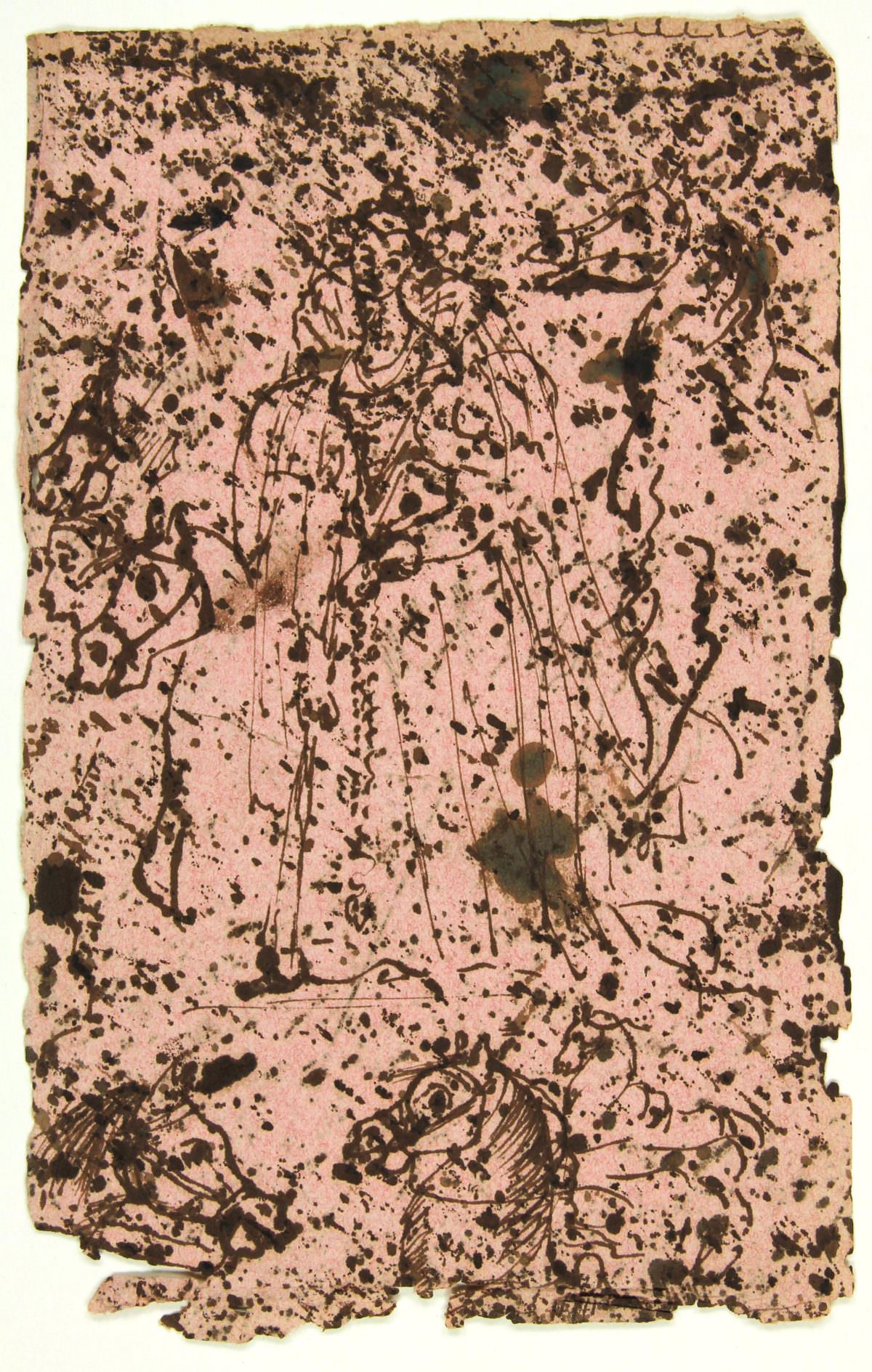
#1 Wednesday 1st August 1832 Elizabethan lady and horse- pen and ink sketches on blotting paper
Ink splatters freckle a torn sheet of blotting paper, turning a humble studio scrap into a surprisingly vivid survivor from 1832. Against that mottled pink ground, quick pen lines resolve into an Elizabethan lady in a long gown, her figure sketched with the light confidence of someone practicing silhouettes and drapery rather than polishing a…
-
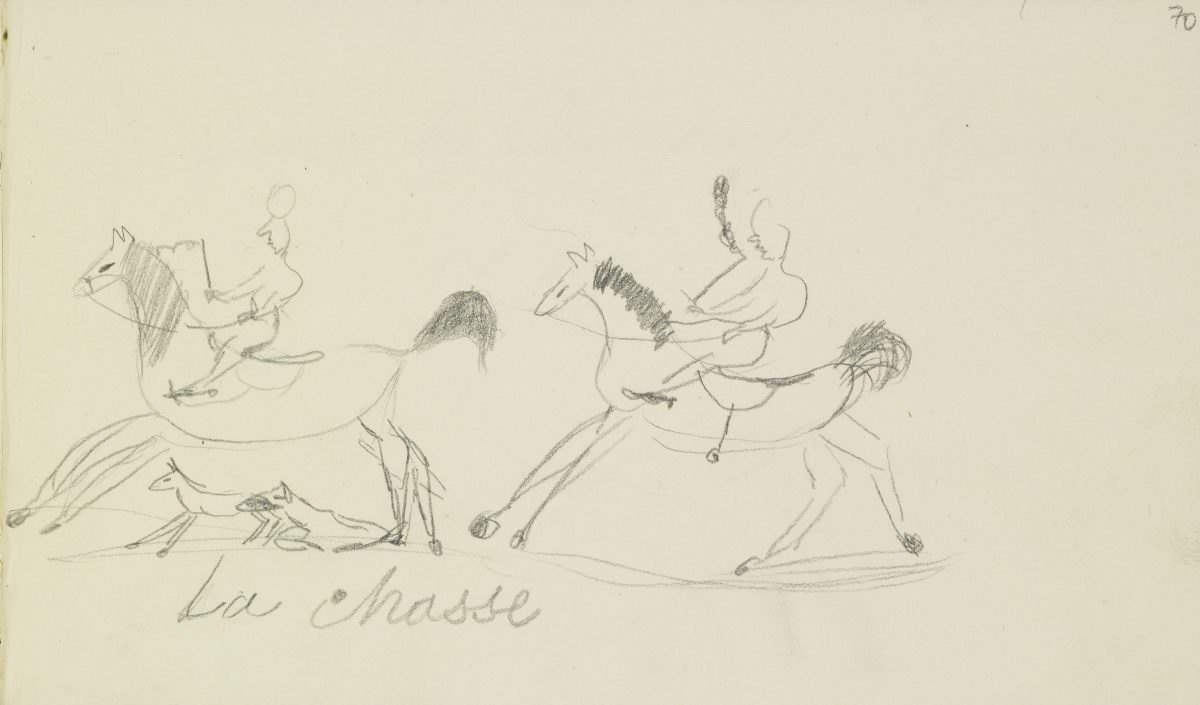
#17 “La chasse”. Pencil drawing, by Princess Victoria.
Across a wide, quiet sheet of paper, two riders lean forward on galloping horses, their bodies reduced to lively, confident pencil lines. Princess Victoria’s “La chasse” sketches the thrill of pursuit with a remarkable economy: a few strokes for legs stretched in motion, a darkened mane and tail, and a lifted arm that suggests command…