Category: Inventions
Explore the fascinating evolution of technology through historic inventions that changed the world. From early aviation to bizarre gadgets — creativity knows no bounds.
Each photo celebrates human innovation and the spirit of discovery that pushed civilization forward.
-

#4 Neufeldt-Kuhnke suit. This third generation shell (produced between 1929-1940) with a closed circuit breathing system was safe up to a depth of 525 feet (160 m), and had a telephone.
Bulbous, armored, and almost astronaut-like, the Neufeldt-Kuhnke suit stands in this photo as a reminder of how daring early deep-sea engineering could be. Its rigid shell body, thick jointed limbs, and heavy gloves were built for pressure, while the helmet’s round viewport and side ports suggest a careful balance between protection and visibility. Even at…
-
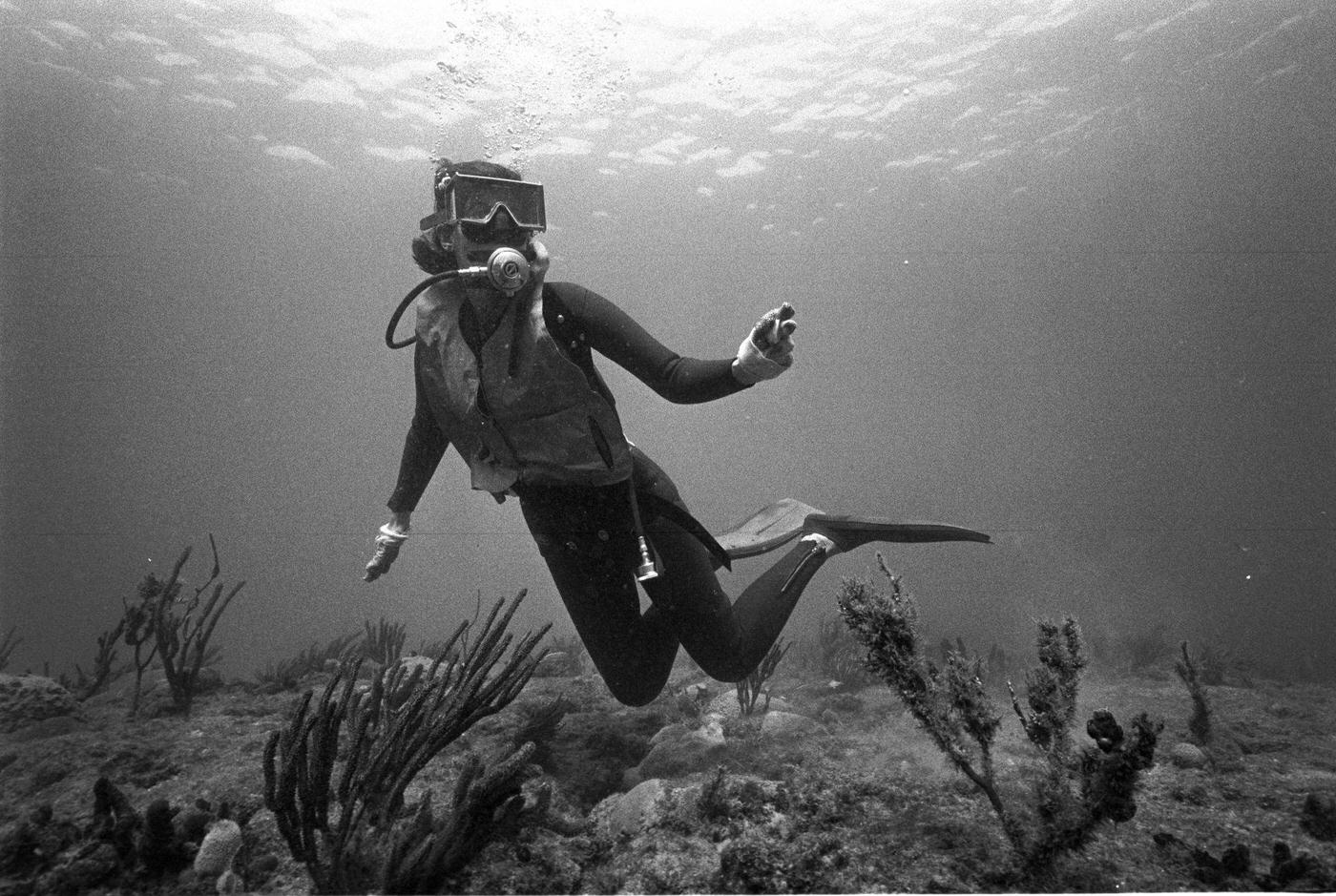
#20 Scuba diver off the coast of Palm Beach, Florida
Suspended in clear Atlantic water off Palm Beach, Florida, a lone scuba diver drifts above a low reef, fins angled as if mid-kick and a ribbon of bubbles rising toward the rippled surface. The diver’s mask and regulator dominate the frame, while a buoyancy vest and gauges suggest the practical, equipment-forward culture of early recreational…
-
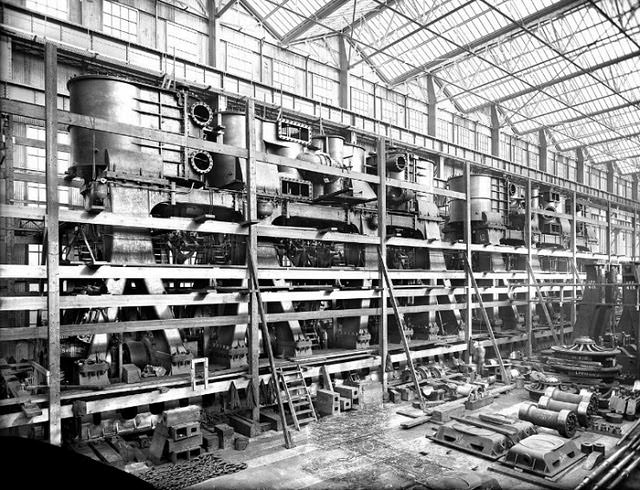
#16 Building the Unsinkable: The Story of the Titanic’s Construction and Rise to Fame #16 Inventions
Steel ribs rise in orderly tiers inside a vast shipyard hall, where overhead trusses and tall windows frame the monumental scale of ocean-liner construction. The partially built hull structure—dense with beams, openings, and bracing—reads like a cross-section of ambition, showing how the “unsinkable” idea was rooted in engineering as much as in marketing. For readers…
-
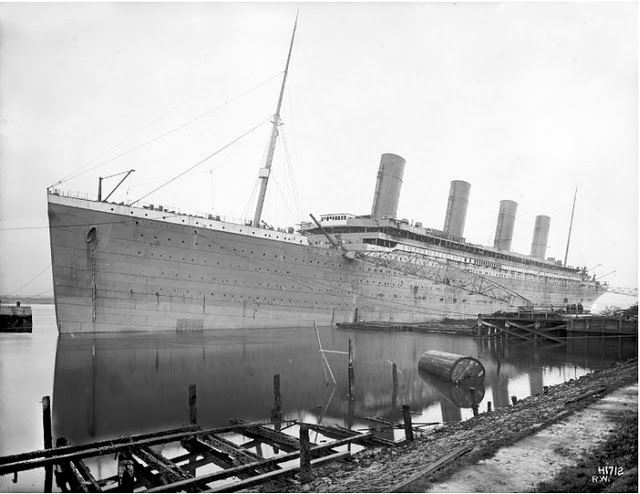
#32 Building the Unsinkable: The Story of the Titanic’s Construction and Rise to Fame #32 Inventions
Towering above the quiet harbor water, the Titanic sits alongside a pier with its long steel hull dominating the frame and a line of funnels rising like factory chimneys. The angled view emphasizes sheer scale—rows of portholes, riveted plates, and the clean sweep of the bow—details that remind modern readers how much shipbuilding depended on…
-
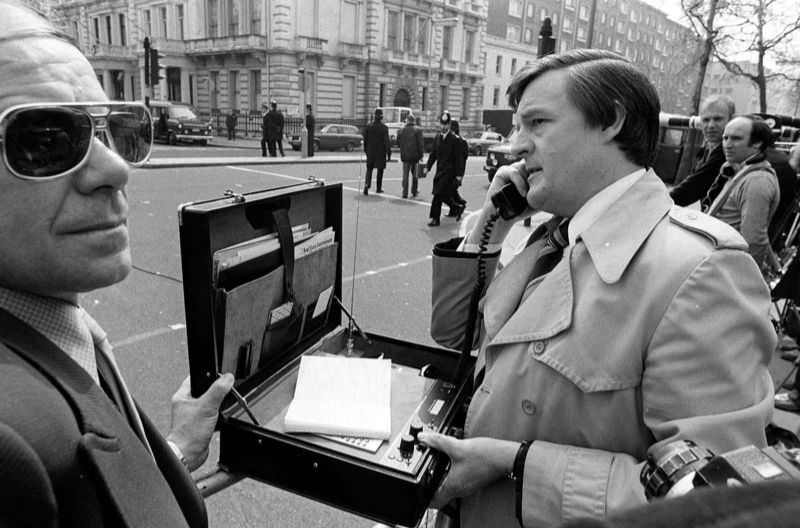
#5 An early mobile phone used by a reporter, Kensington, London, 1983.
On a busy Kensington street in London in 1983, a reporter stands mid-conversation with a handset pressed to his ear, looking every bit like someone trying to file a story before the moment slips away. The technology at the center of the scene isn’t pocket-sized or discreet; it’s a hard-edged briefcase packed with cables, paperwork,…
-
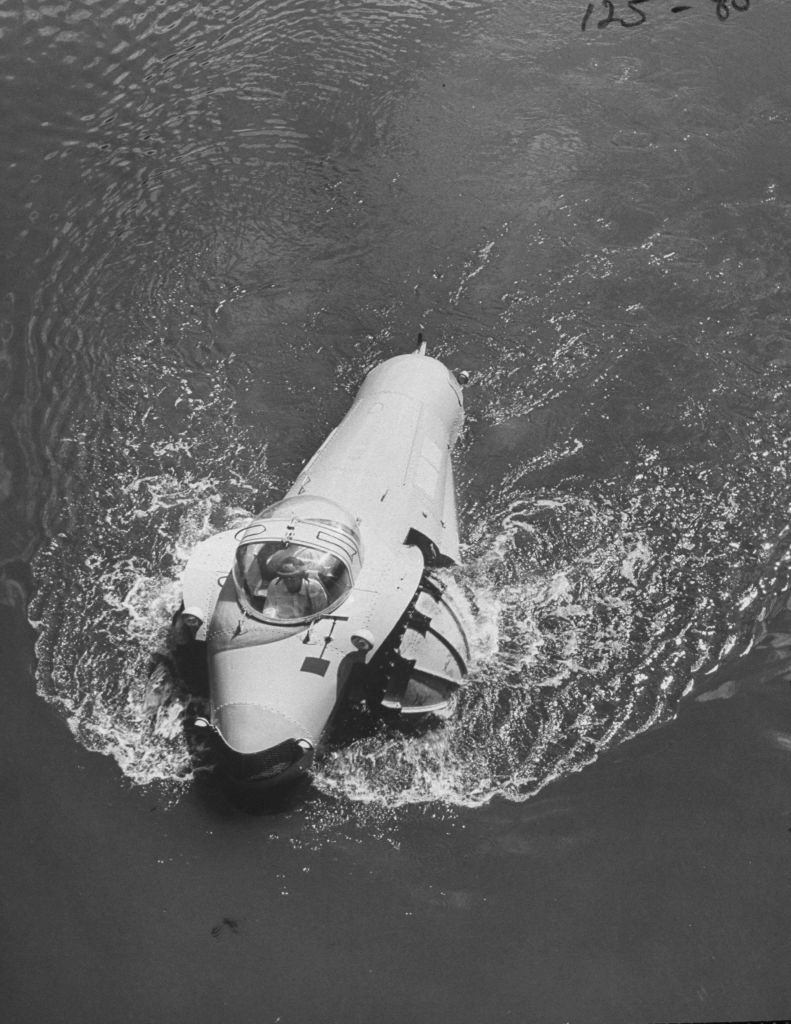
#5 Rhino traveling in the water.
A curious craft noses through choppy water, its rounded body and glass canopy giving it the look of a small “rhino” built for the waves. The photographer’s high angle emphasizes the swirling wake, where foamy rings trace the vehicle’s path and make the surrounding surface feel vast. Inside the cockpit, a lone operator is visible,…
-

#12 Pre-Internet Online Shopping Store: Customers Ordered Products from the Screens and the Company Shipped #12
Long before web browsers and shopping carts, shoppers were already being lured by glowing screens and the promise of convenience. In the photo, two young customers sit in a booth-like setup facing a large display that advertises a bicycle, studying the “catalog” as if it were a storefront window made of light. The scene feels…
-
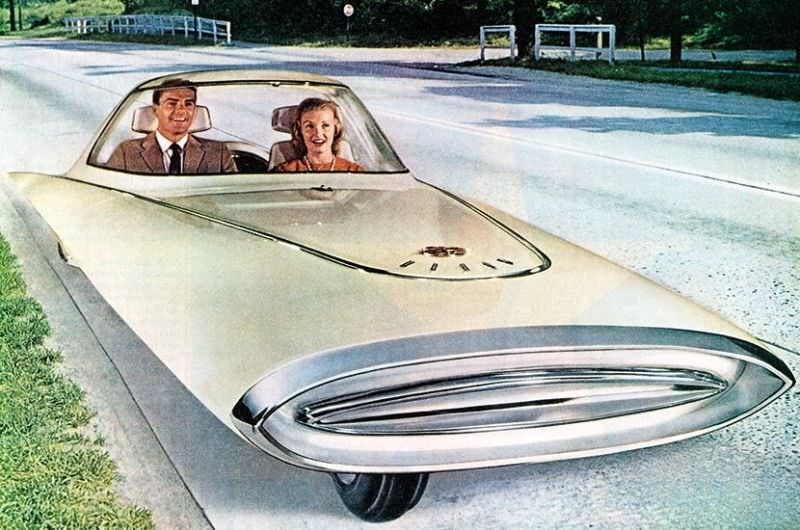
#3 1961 Ford Gyron: Two-Wheeled Gyrocar that was created for Research and Marketing Purpose #3 Inventions<
A sleek, torpedo-like body glides along a quiet roadway, its nose shaped like a jet intake and its cabin wrapped in a low, panoramic windshield. Inside, two well-dressed riders sit side by side, smiling with the calm confidence of an era that expected tomorrow to arrive on schedule. With only a single wheel visible beneath…
-
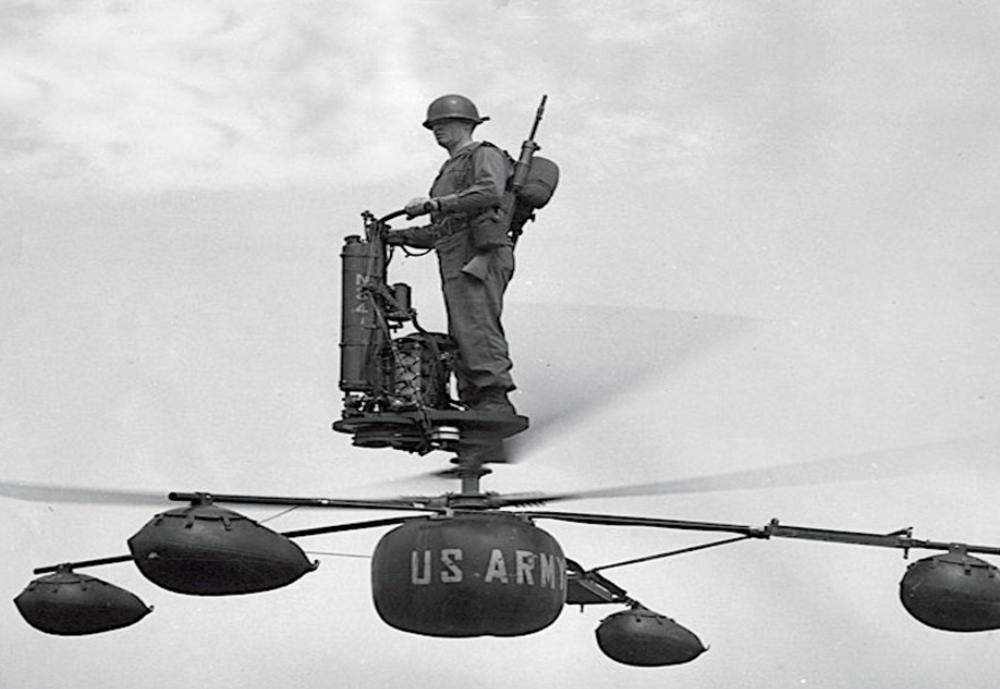
#1 A One-Man Personal Helicopter: The de Lackner HZ-1 Aerocycle that failed during the Flight Test, 1950s #1
Balanced high above the rotor hub, a helmeted soldier stands on a tiny platform that looks more like a powered pedestal than an aircraft. The words “US ARMY” painted on a bulbous central tank underline the military ambition behind the de Lackner HZ-1 Aerocycle—a one-man personal helicopter concept meant to lift an individual with minimal…
-
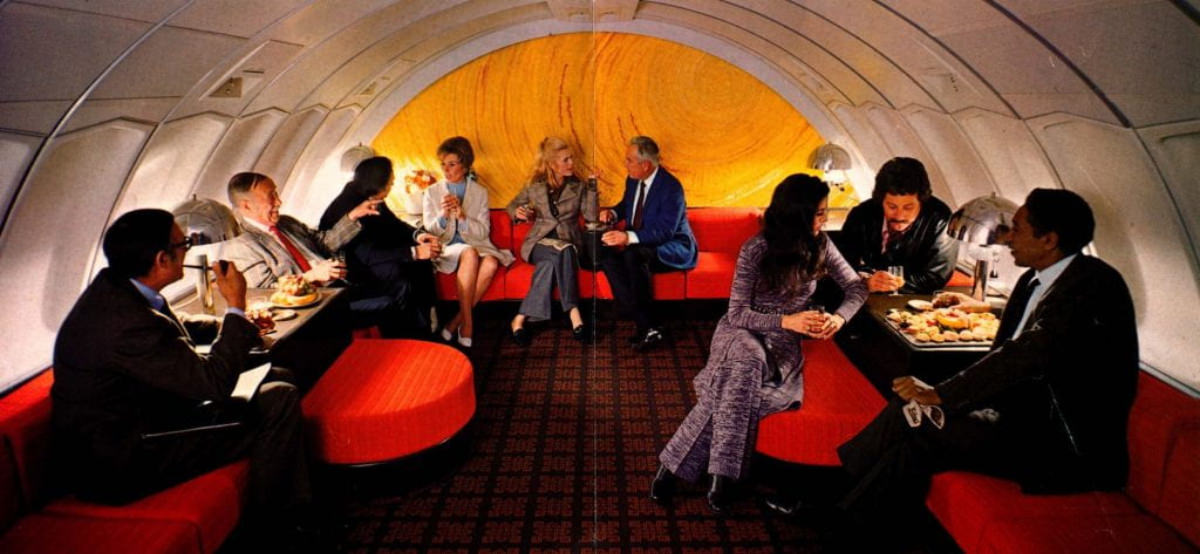
#7 When Boeing 747 launched its first scheduled flight from New York to London on January 22, 1970 #7 Inve
Stepping into the Boeing 747 on its first scheduled New York–London run in January 1970 meant encountering a new idea of long-haul travel—one built around space, sociability, and spectacle. The photo leans into that promise with a wide, lounge-like cabin scene: curved aircraft walls, low lighting, and passengers arranged as if in a living room…