Category: Inventions
Explore the fascinating evolution of technology through historic inventions that changed the world. From early aviation to bizarre gadgets — creativity knows no bounds.
Each photo celebrates human innovation and the spirit of discovery that pushed civilization forward.
-

#3 A One-Man Personal Helicopter: The de Lackner HZ-1 Aerocycle that failed during the Flight Test, 1950s #3
Balanced above a whirling rotor hub, a helmeted soldier stands on the de Lackner HZ-1 Aerocycle—an audacious 1950s attempt at a one-man personal helicopter. The machine’s minimal frame, exposed mechanics, and tiny standing platform make the idea instantly legible: a portable aircraft meant to lift a single person quickly and simply. Even the blunt “US…
-
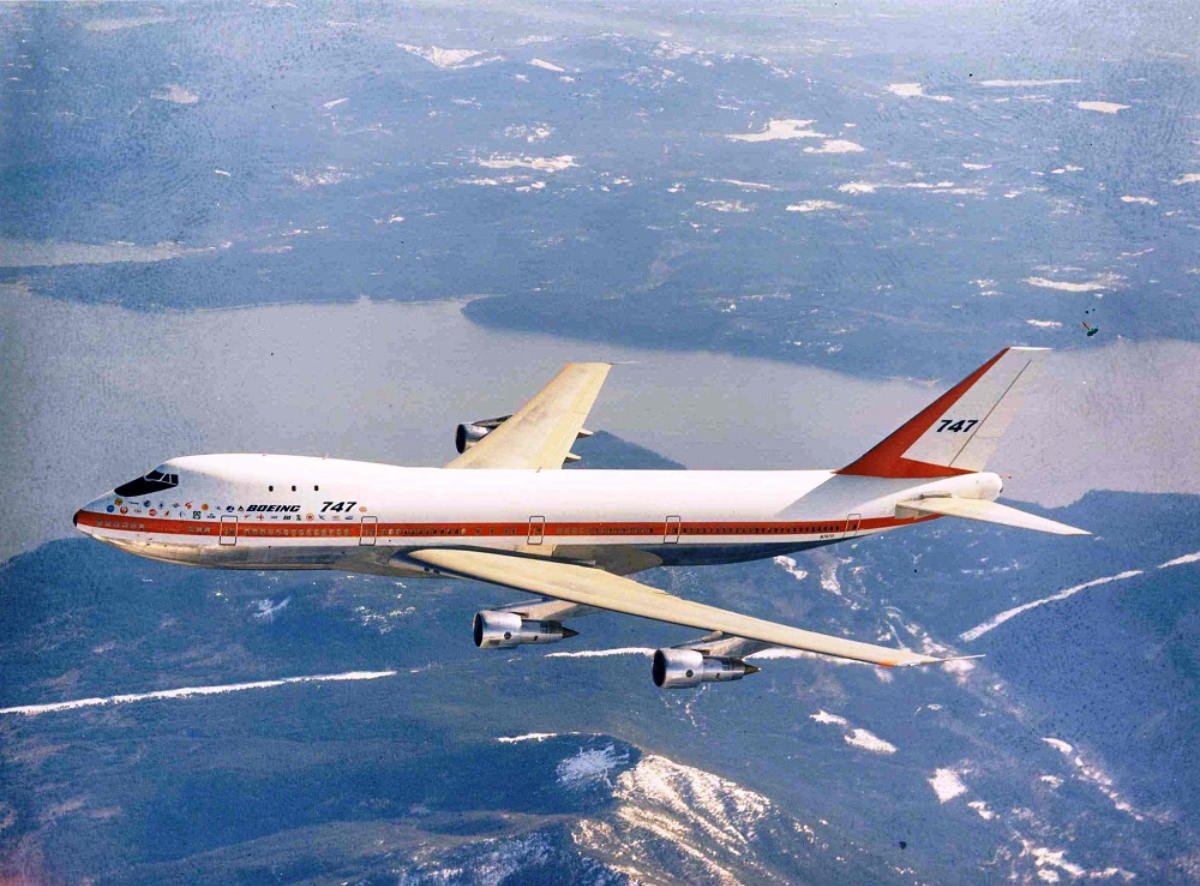
#9 When Boeing 747 launched its first scheduled flight from New York to London on January 22, 1970 #9 Inve
High above a patchwork of dark water and snow-dusted land, a Boeing 747 cuts a clean line through the sky, its unmistakable hump-backed silhouette and four engines announcing a new era in commercial aviation. The livery reads “Boeing 747,” and the sheer scale of the wide-body jet is the point: this was an airliner built…
-

#15 Braun Astronette Hair Dryers: The Handy Air-Cushion Hood Dryer from the 1970s #15 Inventions
Bright orange plastic and soft vinyl come together in the Braun Astronette, a compact hood hair dryer that feels unmistakably of the 1970s. The round motor unit sits like a small saucer, feeding warm air into a translucent inflatable hood that would cushion around the head rather than rely on the bulky salon domes of…
-
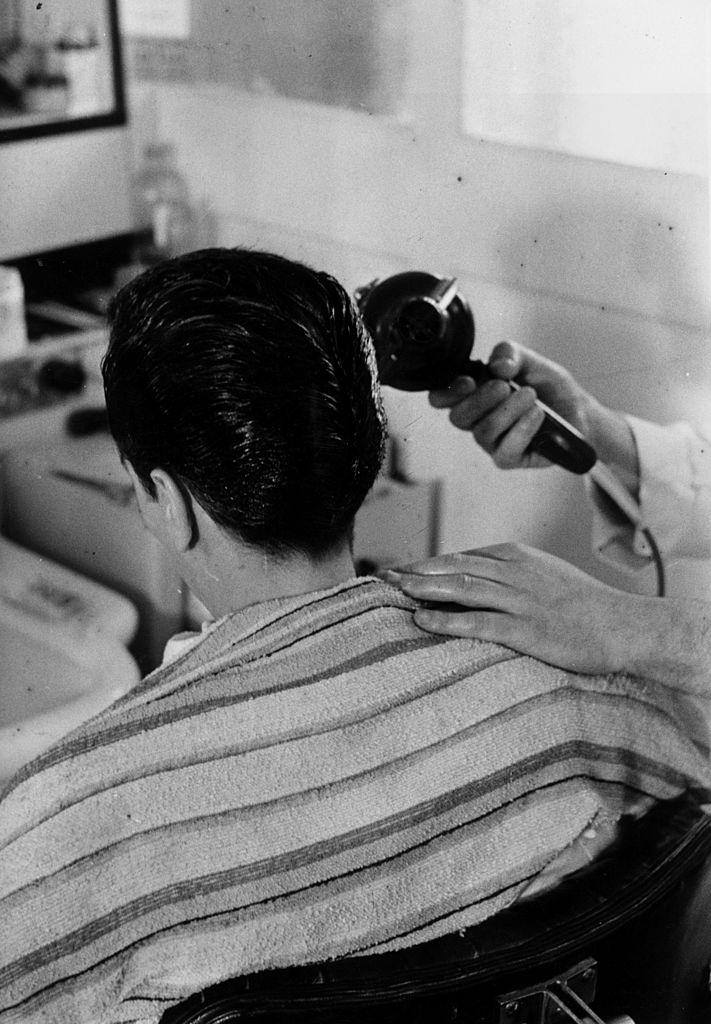
#13 The Bizarre History and Photos of Different Hair Dryer Models from the 20th Century #13 Inventions
A seated client faces away from the camera while a stylist aims a compact, handheld hair dryer at the back of the head, one steadying hand resting on a towel-draped shoulder. The scene feels like a working salon in the early-to-mid 20th century, when personal grooming was increasingly shaped by electricity, speed, and the promise…
-

#29 The Bizarre History and Photos of Different Hair Dryer Models from the 20th Century #29 Inventions
Two shiny, bowl-like attachments hover at either side of a woman’s head, turning an everyday grooming routine into something that looks halfway between salon equipment and science-fiction prop. The stark contrast of metal against soft curls and a neat blouse with a dark bow hints at an era when modern convenience was still being negotiated—loud,…
-
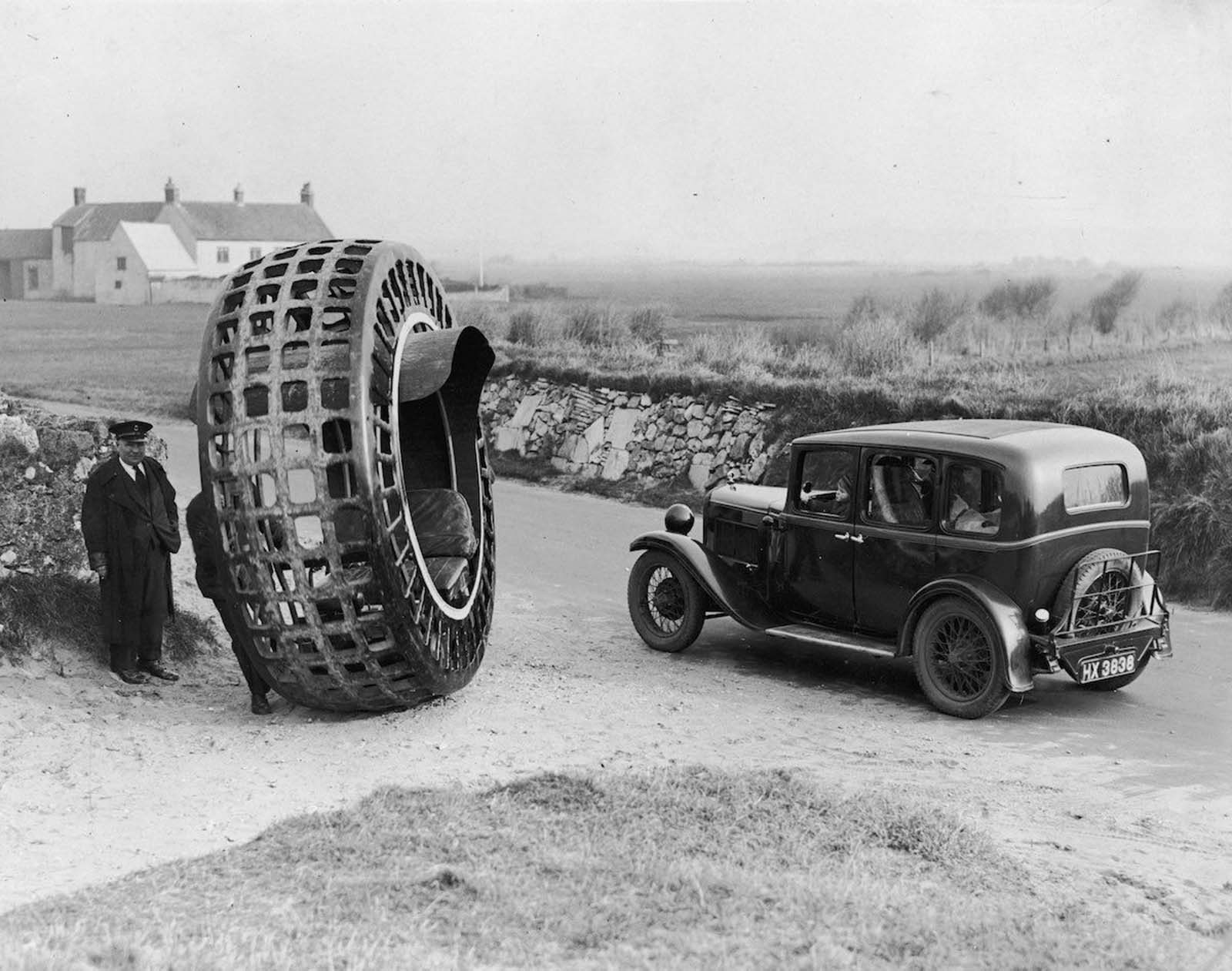
#10 The Dynasphere was capable of speeds of 30mph, 1932.
Parked on a quiet country road, the Dynasphere looks like a giant latticework wheel leaning into the future, its open frame revealing a single seat tucked inside. Two onlookers in coats and caps stand nearby for scale, making the machine’s towering proportions impossible to miss. Beside it sits a conventional car with a clearly visible…
-
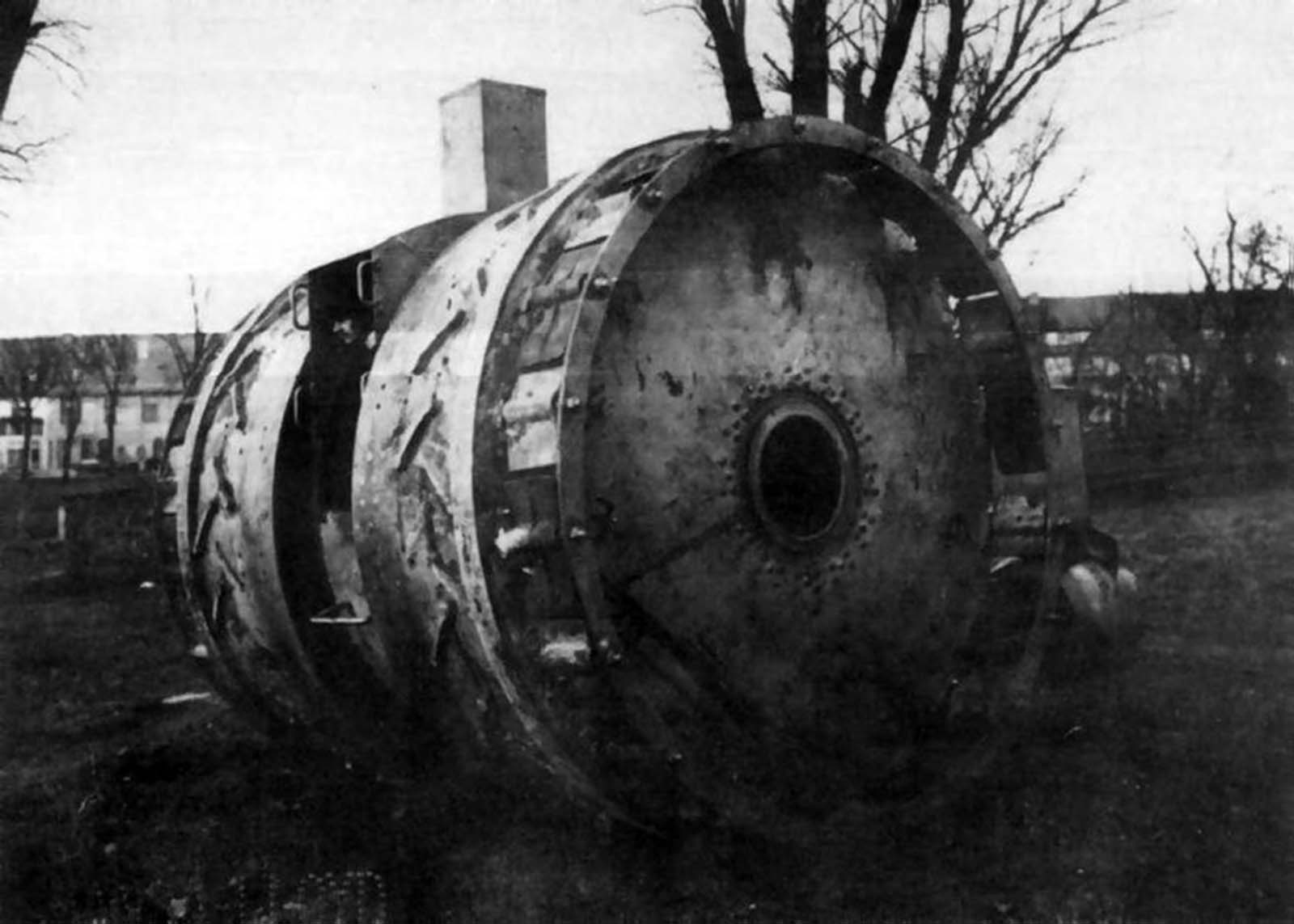
#26 Treffaswagen on trials.
A hulking metal cylinder dominates the frame, its riveted end-plate and central opening giving it the look of an armored drum set loose on a field. Scars, dents, and patched plates suggest a machine that has already met rough treatment, while bare trees and low buildings in the distance place the scene on the edge…
-
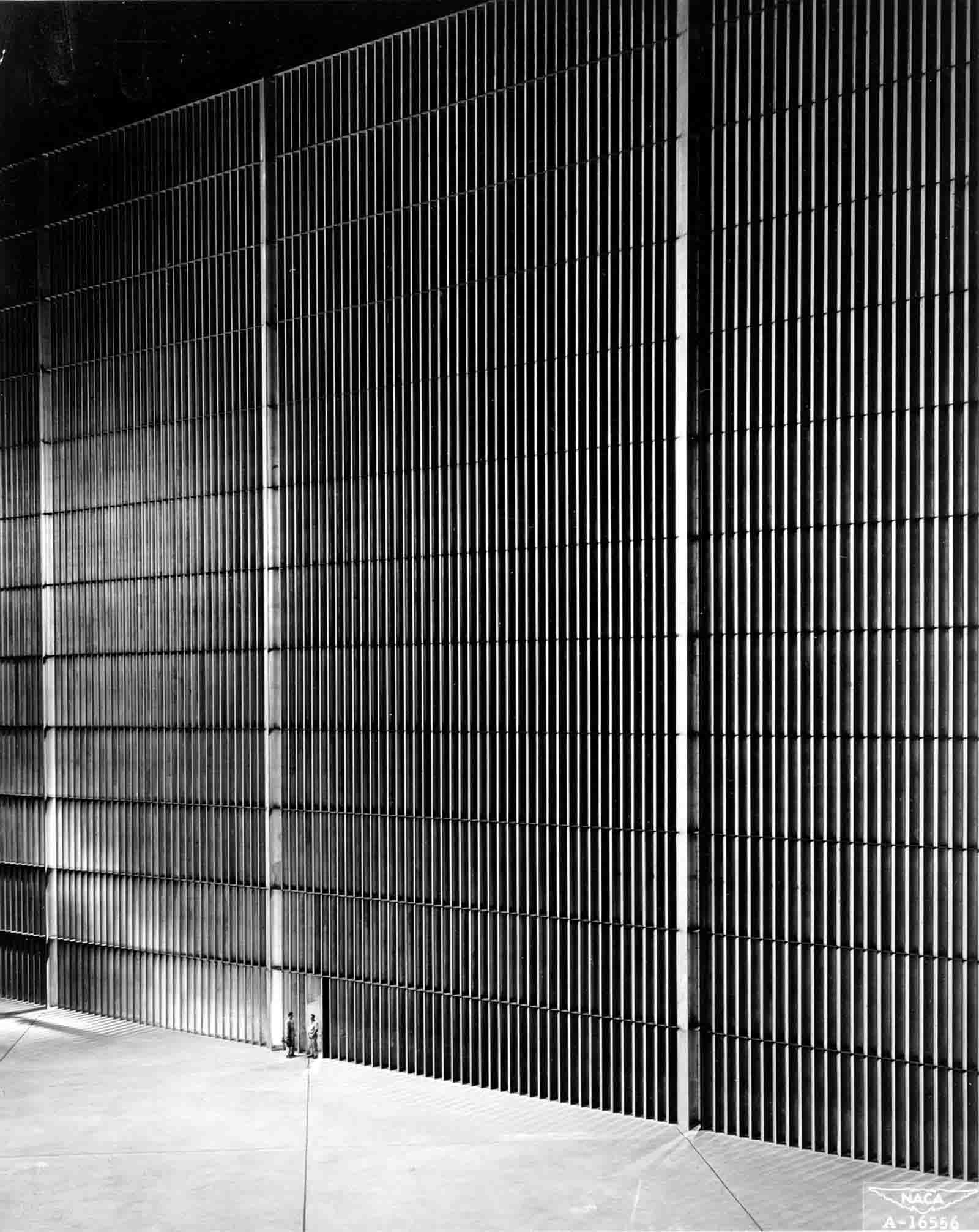
#13 A 10-story bank of vanes which turn the air around one of the four corners of the 40 x 80-foot Wind Tunnel at Ames Research Center.
Rising like a man‑made cliff, a towering bank of vanes dominates the corner of the 40 x 80‑foot wind tunnel at Ames Research Center, its tightly spaced vertical blades forming a rigid curtain of metal. The stark geometry and deep shadows emphasize scale, while the smooth floor and the sweeping curve of the tunnel wall…
-

#29 The Pioneer Aerospace Parafoil undergoes testing in the world’s largest wind tunnel, the 80 x 120-Foot Tunnel at NASA’s Ames Research Center in Mountain View, 1990
High under the cavernous ceiling of NASA’s Ames Research Center, a red-and-white parafoil swells into shape, its fabric ribs and seams catching the airflow like a wing brought to life. Dozens of suspension lines fall in a tight, shimmering curtain to a bulky test rig on the floor, making the scale of the setup immediately…
-
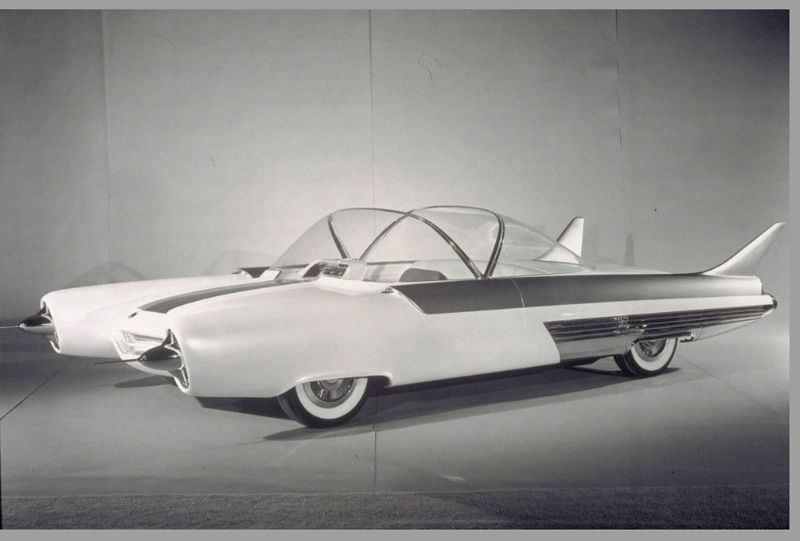
#13 1954 Ford FX-Atmos: The Futuristic Car with Glass Dome Roof, Tail fins, and Rocket exhaust taillights #13
Jet-age optimism radiates from the 1954 Ford FX-Atmos, a concept car shaped less like a sedan and more like a streamlined aircraft on wheels. The smooth, elongated body narrows toward the nose, while the whitewall tires sit tucked beneath sculpted fenders that emphasize speed even at rest. Most striking is the clear glass dome roof,…