Category: Artworks
Step into the world of timeless artworks that shaped our visual culture. Explore rare paintings, sculptures, and creative masterpieces that reveal the evolution of artistic expression through centuries.From Renaissance genius to modern minimalism, each piece tells a story of imagination, innovation, and beauty that continues to inspire artists and collectors worldwide.
-
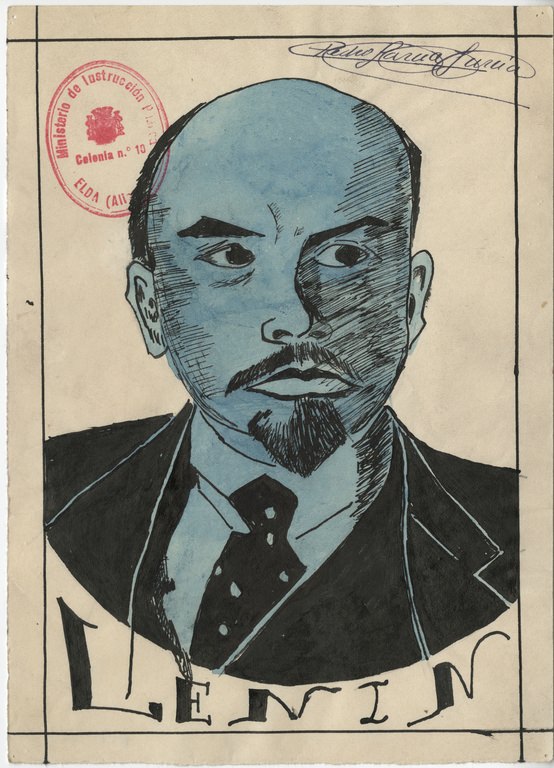
#32 Elda (Alicante). Lenin. Pedro García García
Bold ink lines and a cool blue wash shape a striking portrait labeled “Lenin,” rendered with graphic clarity and a poster-like intensity. The face is simplified into confident contours—arched brows, a sharp gaze, and the familiar goatee—while the suit and tie anchor the figure in a formal, almost emblematic pose. More than a straightforward likeness,…
-
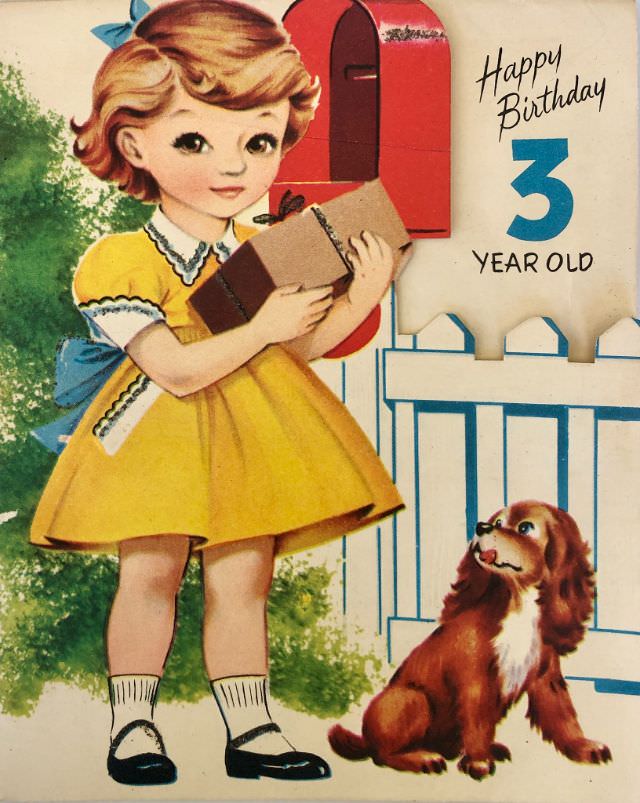
#13 Happy Birthday 3 Year Old
Bright, storybook color and clean mid-century design cues set the tone for “Happy Birthday 3 Year Old,” an artwork that feels like a cherished greeting card come to life. A small child in a sunny yellow dress stands beside a white picket fence, holding a neatly wrapped parcel as if delivering a birthday surprise. Behind…
-
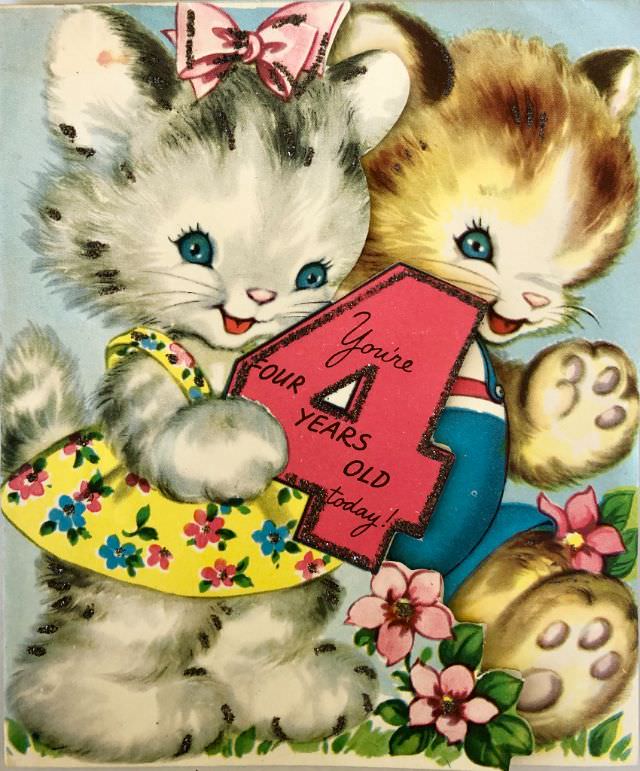
#30 You’re Four Years Old Today!
Bright-eyed kittens grin their way across this cheerful birthday artwork, holding a bold pink “4” that reads, “You’re four years old today!” One kitten wears a big bow and a yellow floral dress, while the other peeks from behind with a playful paw raised, both framed by soft pastel shading that gives the scene a…
-
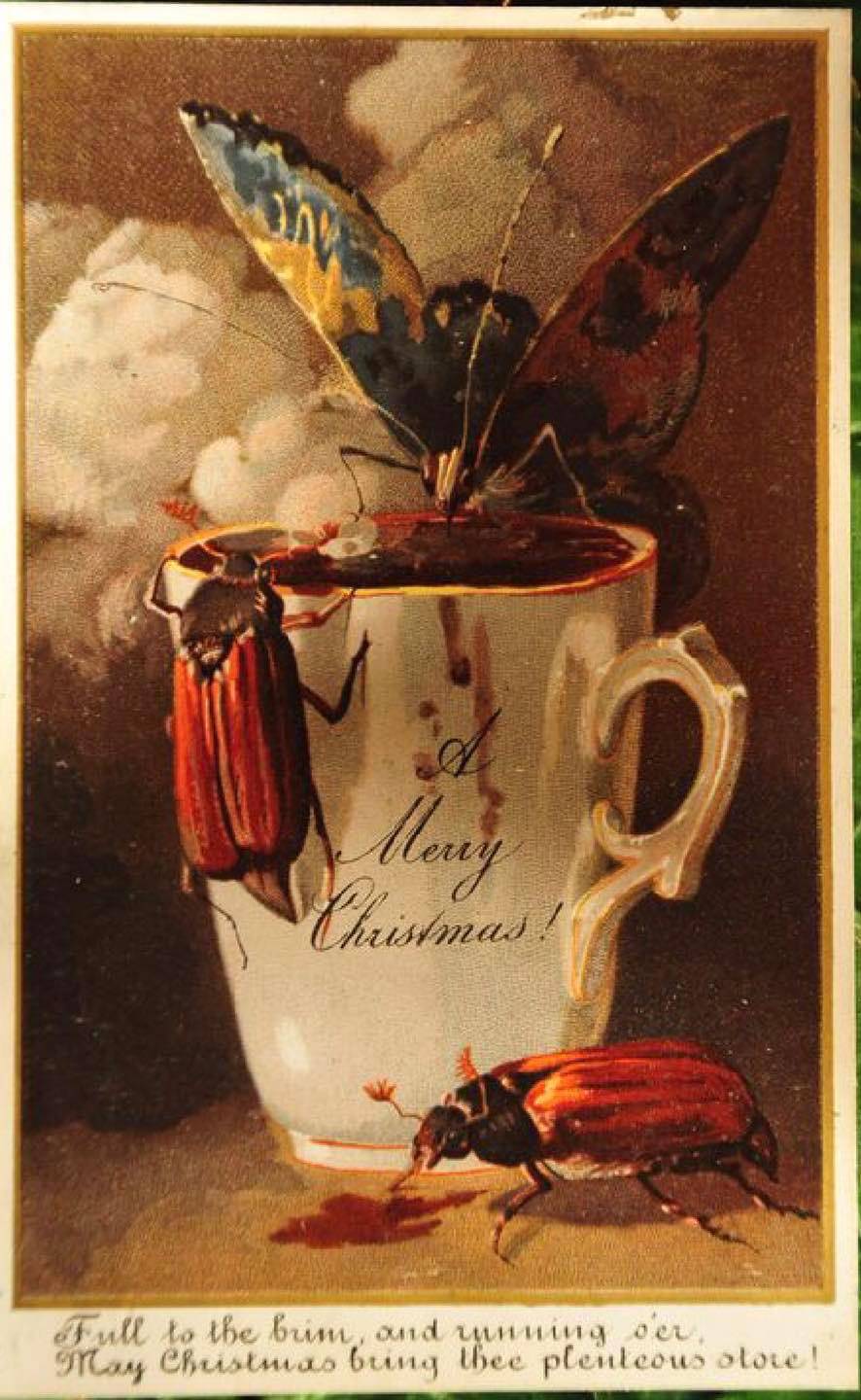
#16 Hilariously Bizarre Christmas Cards from the Victorian Era featuring Animals #16 Artworks
Victorian holiday humor could be wonderfully strange, and this animal-themed Christmas card leans into that playful absurdity with gusto. A porcelain mug bears the greeting “A Merry Christmas!” while a large butterfly perches on the rim and two red beetles clamber nearby, as if they’ve claimed the seasonal toast for themselves. The smoky, painterly background…
-
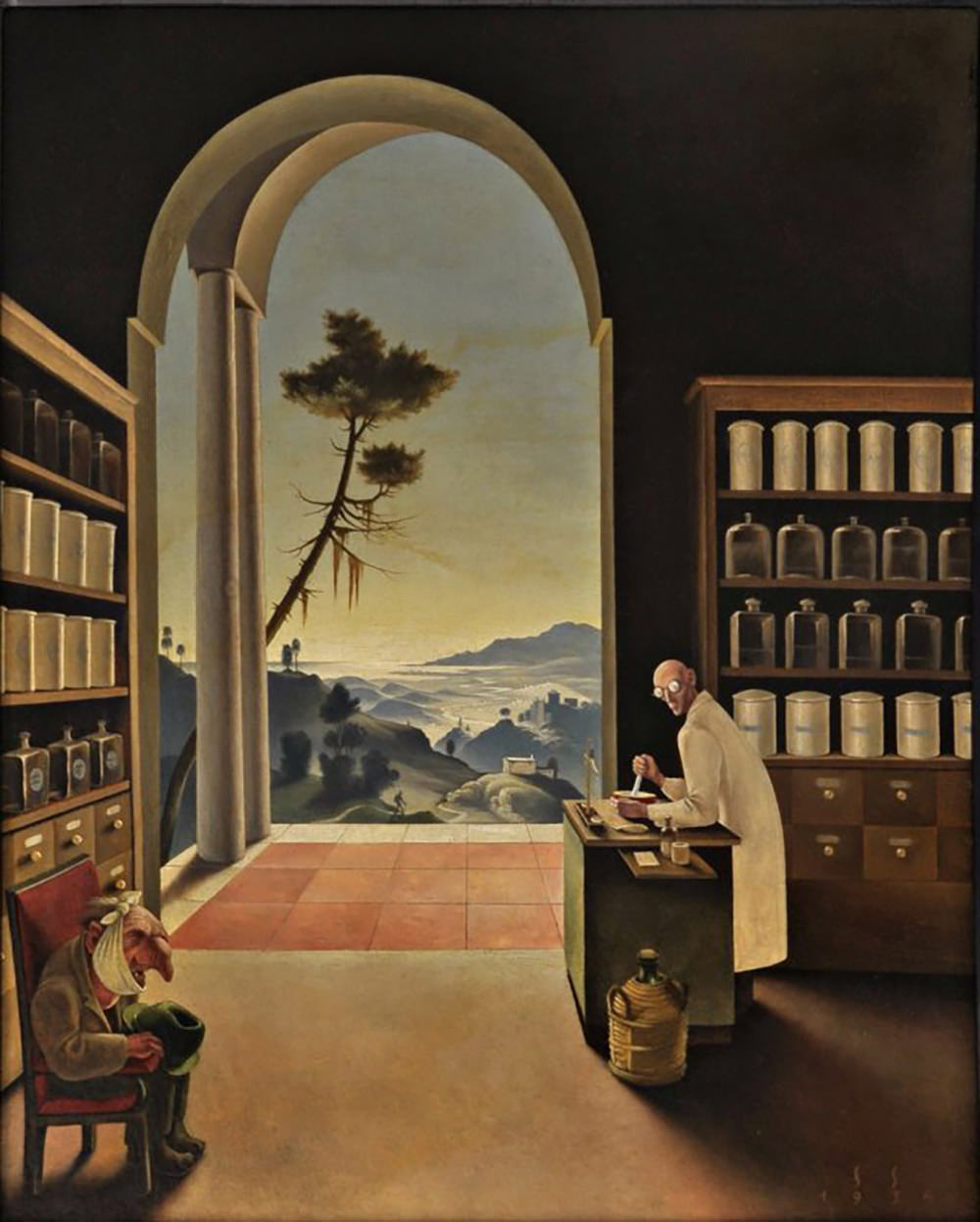
#4 Franz Sedlacek: Die Apotheke (The Pharmacy) 1934
Franz Sedlacek’s *Die Apotheke (The Pharmacy)* from 1934 places the quiet drama of medicine inside a space that feels both orderly and uncanny. Tall shelves of jars and tins line the room like a catalogue of remedies, while a pharmacist in a white coat bends over a mortar and pestle at a tidy counter. In…
-
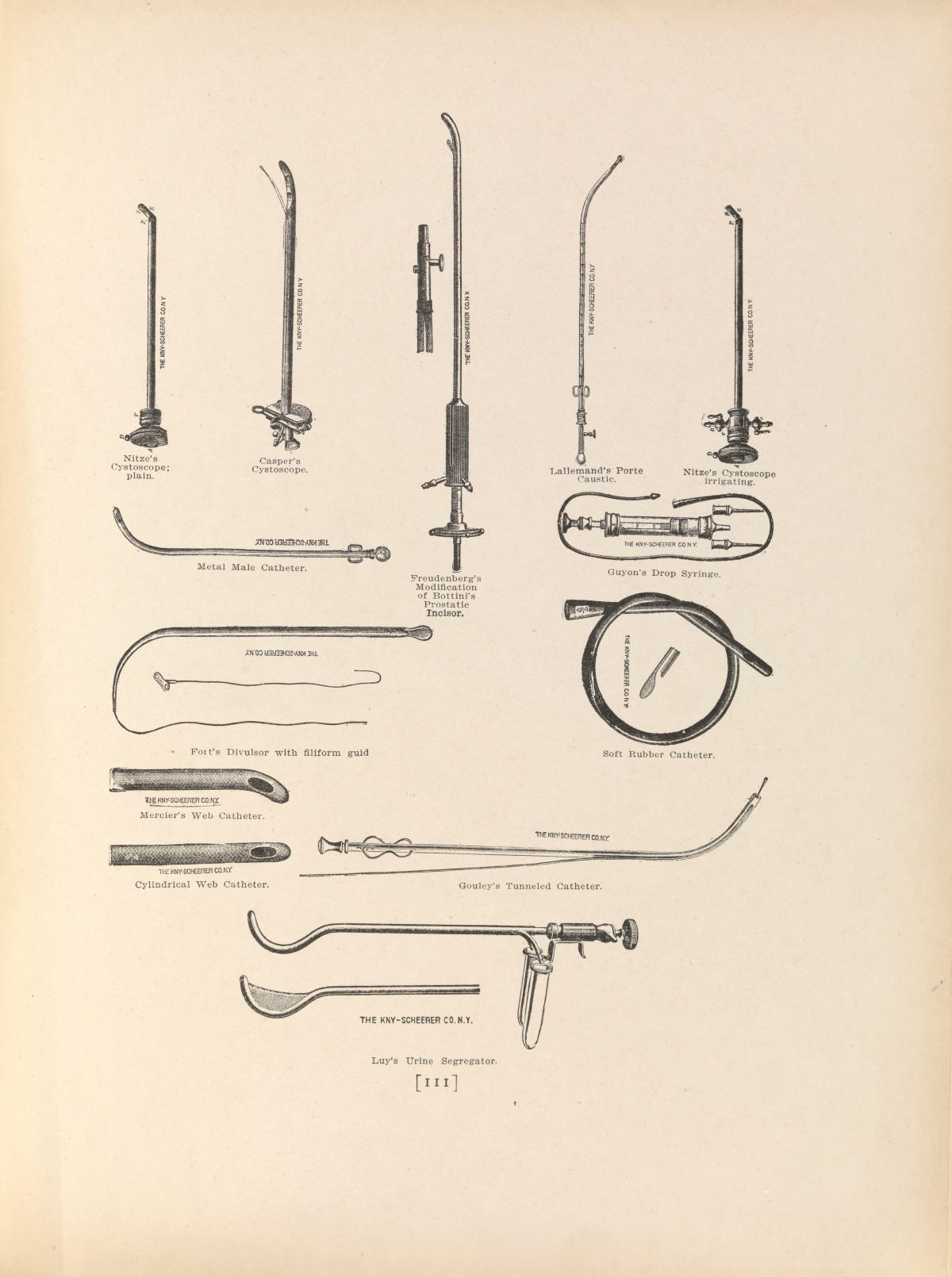
#3 Plate XXXIV. Surgical instruments used for external urethrotomy in prostatectomy (removal of part of the prostate gland).
Plate XXXIV lays out a careful inventory of surgical instruments associated with external urethrotomy and prostatectomy, presented with the crisp, instructional clarity of a medical atlas. Long, slender shafts, curved tips, and adjustable fittings are arranged across the page like a technician’s toolkit, each form drawn to emphasize function over flourish. The overall effect is…
-
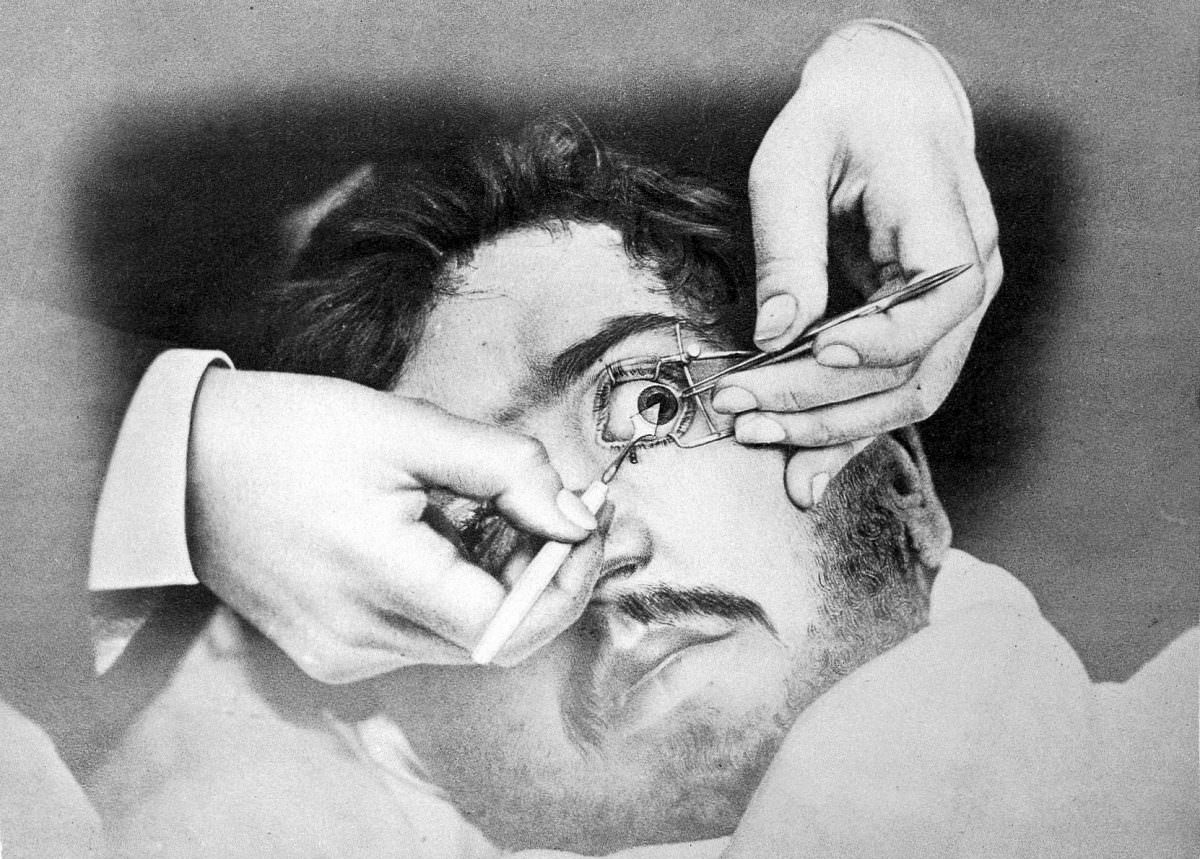
#19 Surgery on the eye for the removal of a cataract.
A patient lies with his head turned slightly as a surgeon’s gloved hands steady the eyelids with a metal speculum, keeping the eye open for a delicate cataract operation. The close framing draws attention to the tools—fine forceps and a slender instrument poised at the corner of the eye—while the patient’s tense brow and partially…
-
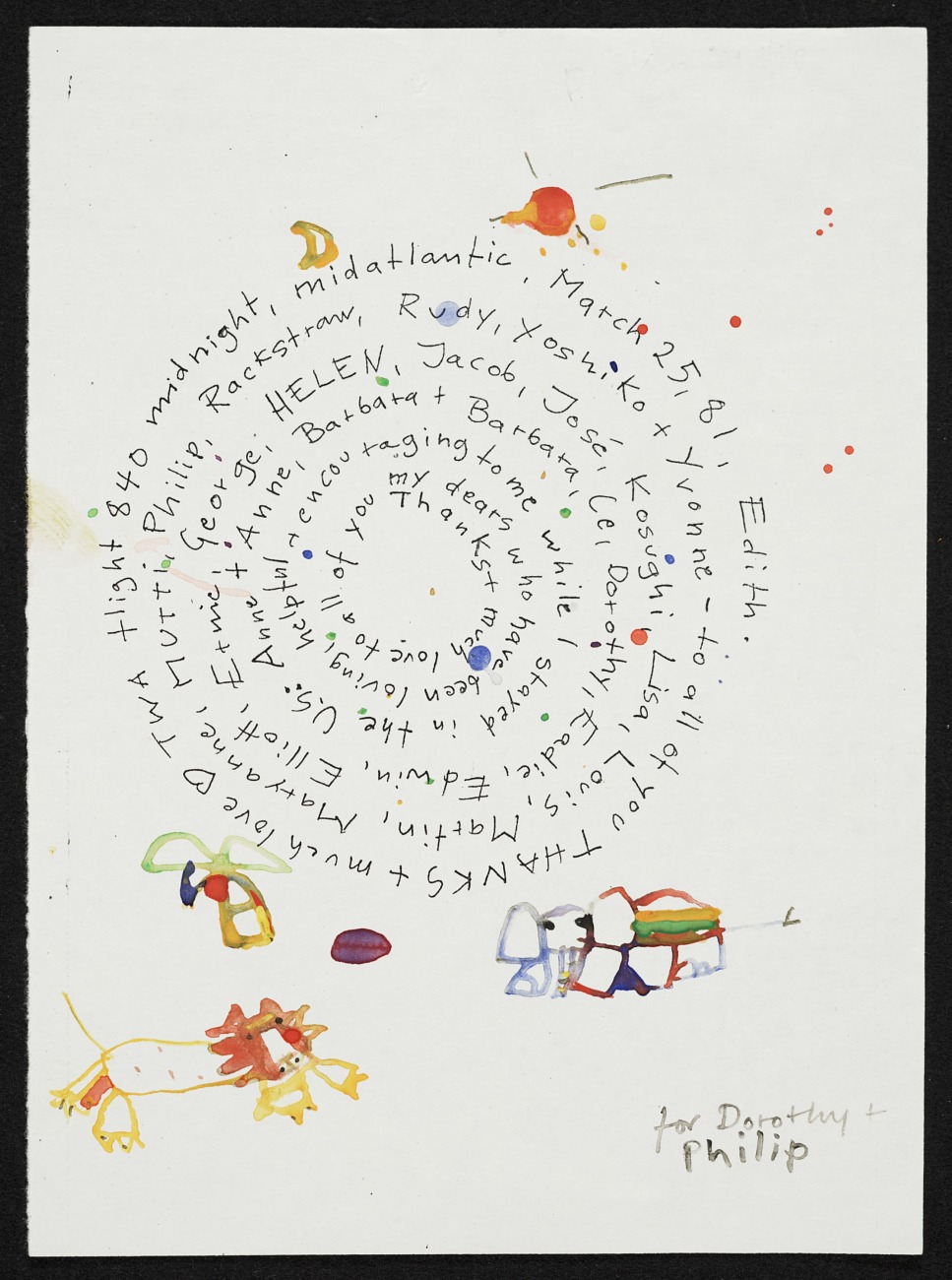
#12 Edith Schloss to Philip and Dorothy Pearlstein, 1981.
Playful handwriting spirals across the page like a message caught mid-motion, surrounded by bright splashes of watercolor and small, childlike drawings. The title, “Edith Schloss to Philip and Dorothy Pearlstein, 1981,” frames the sheet as more than a casual note: it reads as an intimate piece of mail-art, where correspondence and artwork become the same…
-
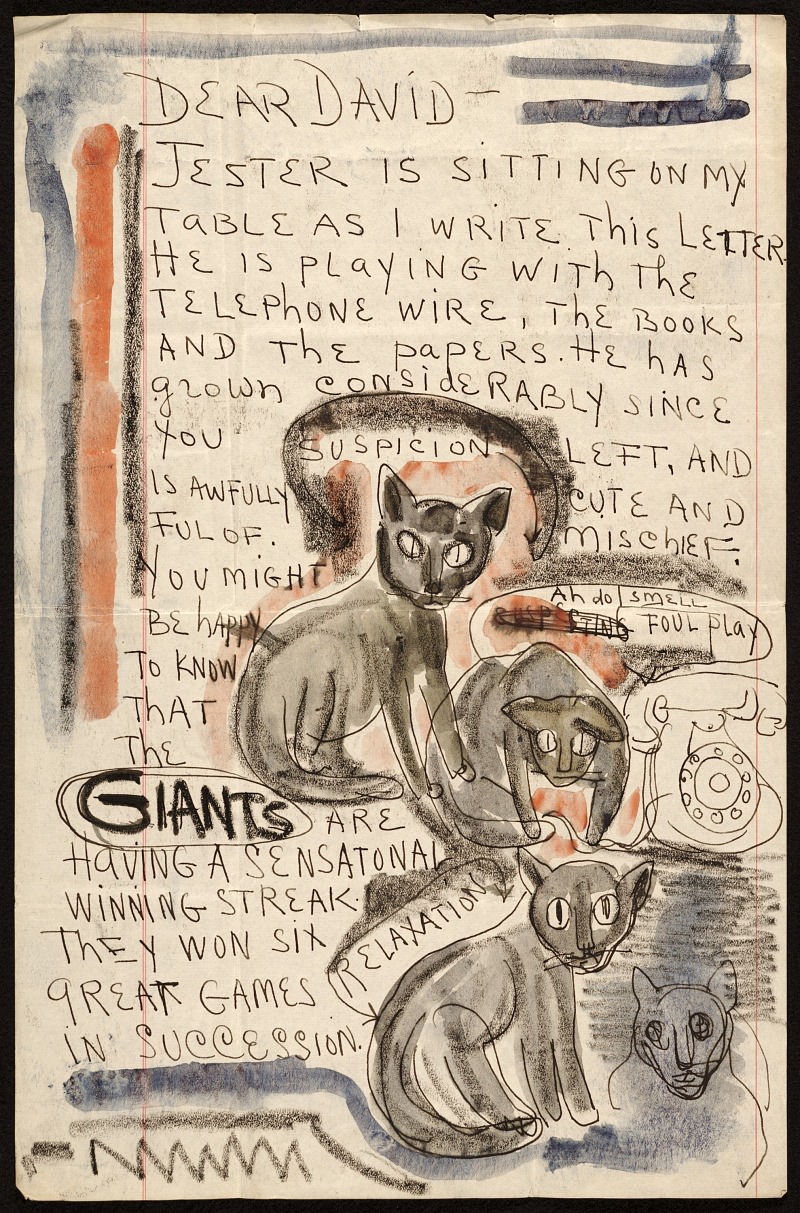
#28 Moses Soyer to his son David, 1940s.
“Dear David—” opens a lively, handwritten page where Moses Soyer turns a simple letter into something closer to a sketchbook. The text sprawls in bold, uneven lines across paper marked by painterly washes and smudged tones, giving the note the immediacy of a studio table rather than a formal correspondence. Even without a visible envelope…
-

#13 Pèl & Ploma, August 26, 1899
Bold lettering—“Pèl & Ploma”—spans the top of this 1899 cover, with “Barcelona 26 d’Agost de 1899” printed above like a quiet timestamp from the fin de siècle. The aged paper tone and crisp typography evoke a magazine or illustrated periodical intended to be handled, read, and passed along, complete with its issue number and a…