Category: Inventions
Explore the fascinating evolution of technology through historic inventions that changed the world. From early aviation to bizarre gadgets — creativity knows no bounds.
Each photo celebrates human innovation and the spirit of discovery that pushed civilization forward.
-
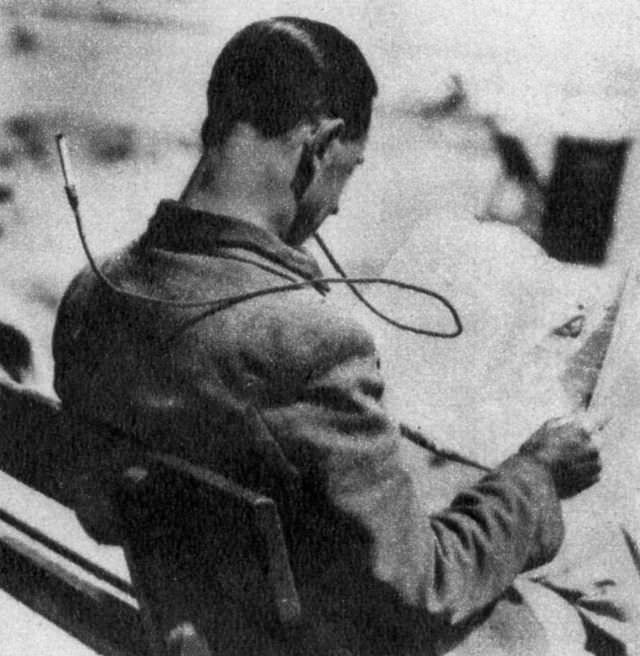
#17 Keeps Smoke Out of Eyes
Leaning forward with a newspaper in hand, the man in this photo appears absorbed in his reading, yet the most intriguing detail is the thin tubing looping up and over his shoulder. The title, “Keeps Smoke Out of Eyes,” points to a small everyday annoyance that once inspired big creativity: how to enjoy a cigarette…
-
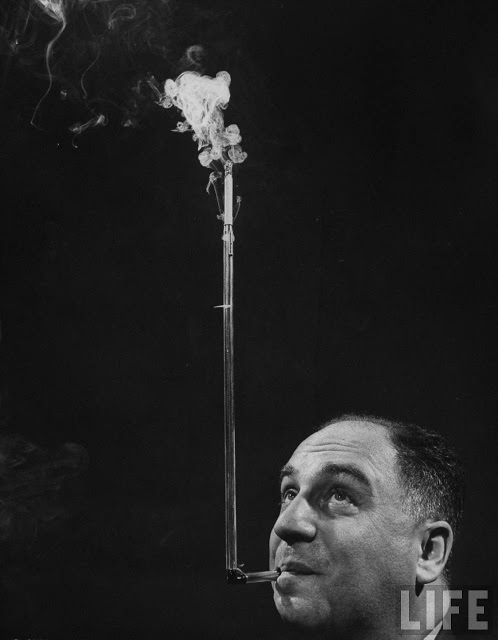
#33 Periscope Holder
A slender vertical rod rises from a man’s mouth like an improvised mast, lifting a cigarette high into the air while he looks upward to monitor the smoke. The effect is half laboratory demonstration, half everyday ingenuity—an “invention” meant to keep hands free and ash away, turning a small habit into a small engineering problem.…
-
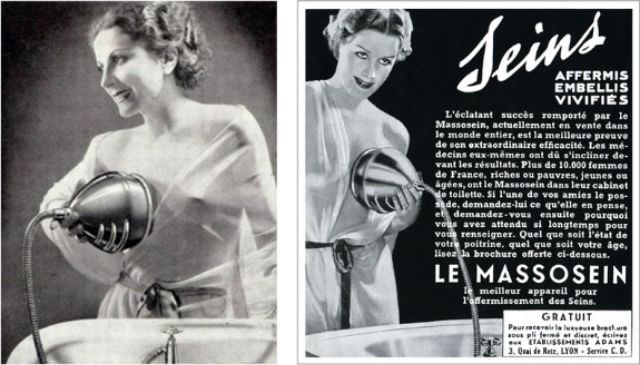
#8 Breast Washer, 1930
Gleaming bathroom fixtures, a confident pose, and a product held like a prized accessory set the scene for a striking 1930-era advertisement often described as a “breast washer.” The layout leans heavily on glamour—smooth lighting, a carefully styled model, and bold typography—framing personal hygiene as both modern and desirable. Even at a glance, the message…
-
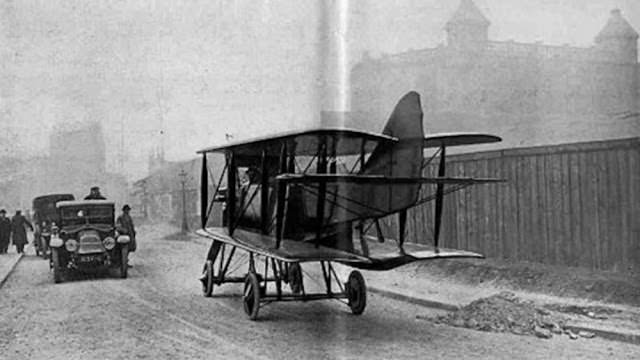
#24 Tampier Avion-Automobile (1921)
On a dusty roadway, Tampier’s Avion-Automobile rolls forward like a biplane that has wandered off the airfield, its stacked wings and slender tail towering over the modest wheels beneath. A driver sits exposed in the open frame while pedestrians and a conventional car behind provide a sense of scale, making the contraption’s odd proportions feel…
-
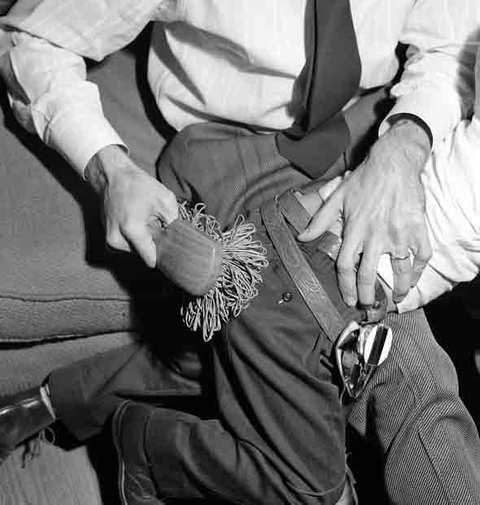
#40 Pain Free Spanking brush, 1950
Mid-century invention culture had a flair for solving problems nobody asked to be solved, and the “Pain Free Spanking brush” fits that strange, memorable niche. In the photo, an adult in a dress shirt and tie holds a short-handled brush with a mop-like head, posed over the clothed backside of someone lying across a lap.…
-

#1 Going Swimming On Wheels: 50+ Historic Photos Of Bathing Machines From Victorian Era #1 Inventions
Wheels at the water’s edge once meant more than transport—they signaled a small, rolling changing room designed to keep seaside bathing “proper.” In the photo, a bather steps down from a curtained hut as the tide laps at the threshold, illustrating how bathing machines bridged land and sea. That simple canvas flap and wooden frame…
-
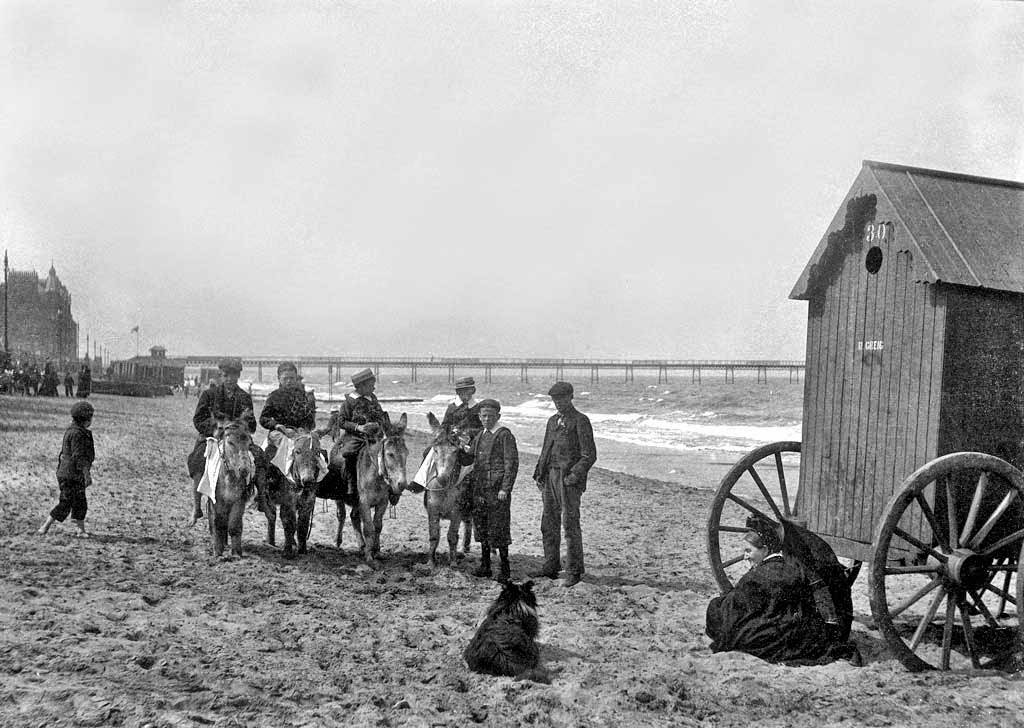
#18 Going Swimming On Wheels: 50+ Historic Photos Of Bathing Machines From Victorian Era #18 Inventions
Along a windy shoreline, a small crowd gathers where leisure meets logistics: riders on patient donkeys pause on the sand while the surf rolls in and a long pier stretches across the horizon. The scene has the casual bustle of a busy resort day, yet every detail hints at the careful choreography that once surrounded…
-
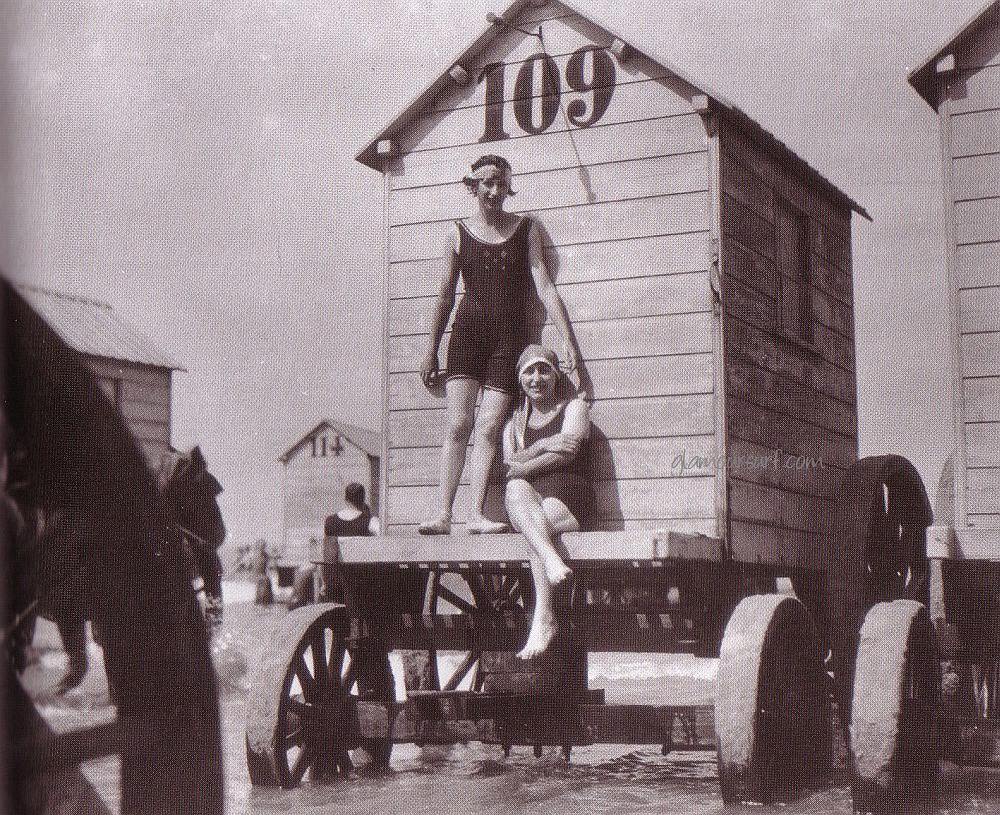
#34 Going Swimming On Wheels: 50+ Historic Photos Of Bathing Machines From Victorian Era #34 Inventions
Perched on a wheeled wooden hut marked “109,” two bathers pause in their early swimwear as the beach scene drifts into the background—other numbered shelters, open sand, and the hint of a working shoreline. The structure’s raised platform and sturdy wheels make it look more like a little wagon than a changing room, a reminder…
-
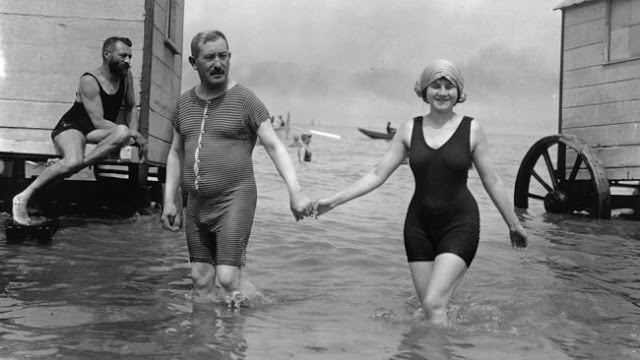
#50 Going Swimming On Wheels: 50+ Historic Photos Of Bathing Machines From Victorian Era #50 Inventions
Saltwater reaches their knees as a couple steps away from the shadow of bulky wooden bathing machines, hands linked, dressed in modest one-piece swimwear that still reads as carefully “proper.” The wheeled huts sit like little beachside rooms, designed to deliver bathers into deeper water with privacy intact, while an onlooker lingers at the platform…
-

#3 A picnic on the beach, courtesy of Louis Mattar’s tricked-out 1947 Cadillac.
Sunlight, sand, and a palm tree set the stage for an easygoing beach picnic, where the open trunk of a 1947 Cadillac becomes the family’s impromptu snack bar. A small group stands in a loose semicircle, mid-bite, chatting and lingering beside the car while the shoreline stretches into the background.