Category: Cover Art
Dive into a gallery of vintage cover art from books, magazines, and albums. Discover how graphic design and illustration reflected the moods of their times.
These covers capture the essence of cultural evolution — from bold propaganda to elegant minimalism.
-
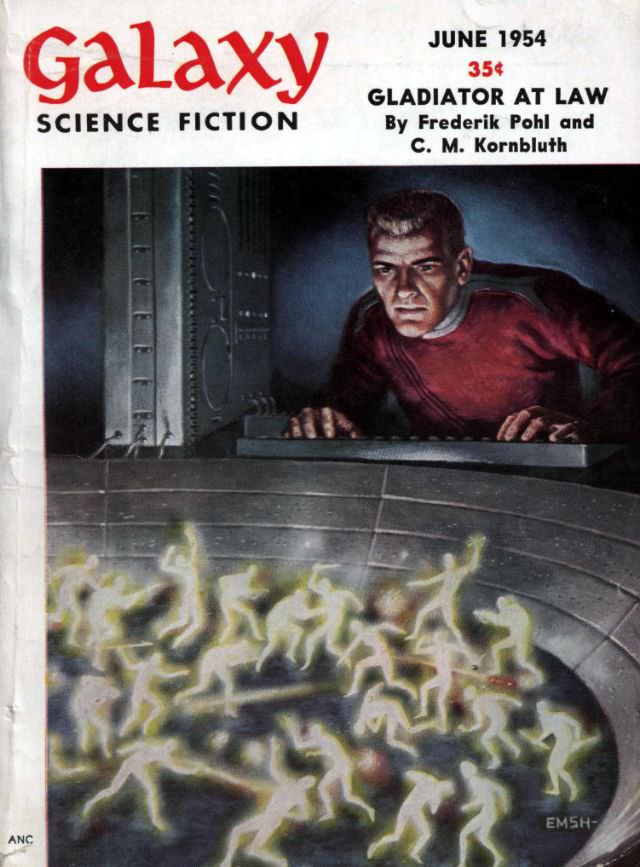
#21 Galaxy Science Fiction cover, June 1954
June 1954 sits boldly at the top of this Galaxy Science Fiction cover, paired with the 35¢ price and a promise of courtroom intrigue in “Gladiator at Law” by Frederik Pohl and C. M. Kornbluth. The magazine’s iconic masthead dominates in red, while the composition immediately pulls the eye down into a tense, enclosed scene…
-
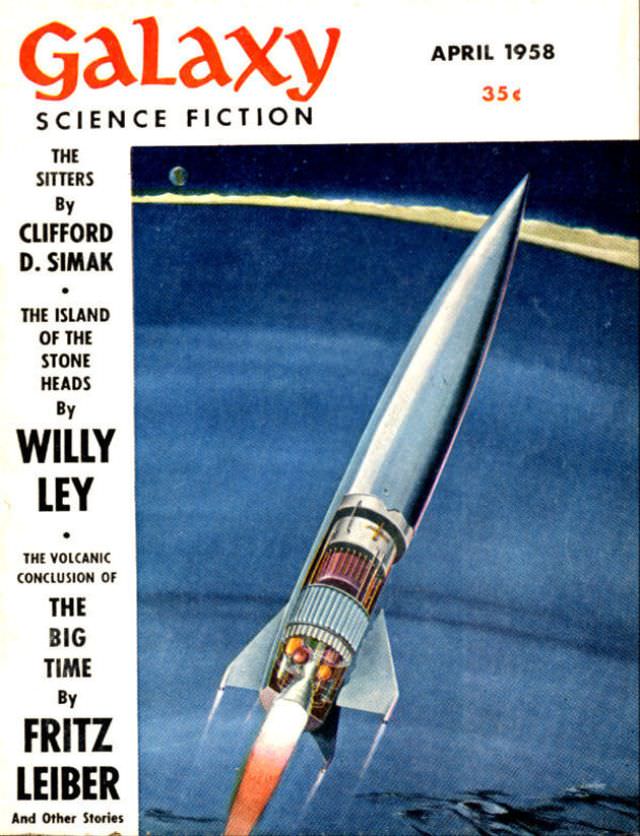
#37 Galaxy Science Fiction cover, April 1958
Bold red lettering crowns the April 1958 issue of *Galaxy Science Fiction*, with the price marked at 35¢ and a clean, modern layout that lets the artwork do most of the talking. A sleek rocket dominates the scene, angled upward through a deep blue sky as it leaves a fiery plume behind, while a pale…
-
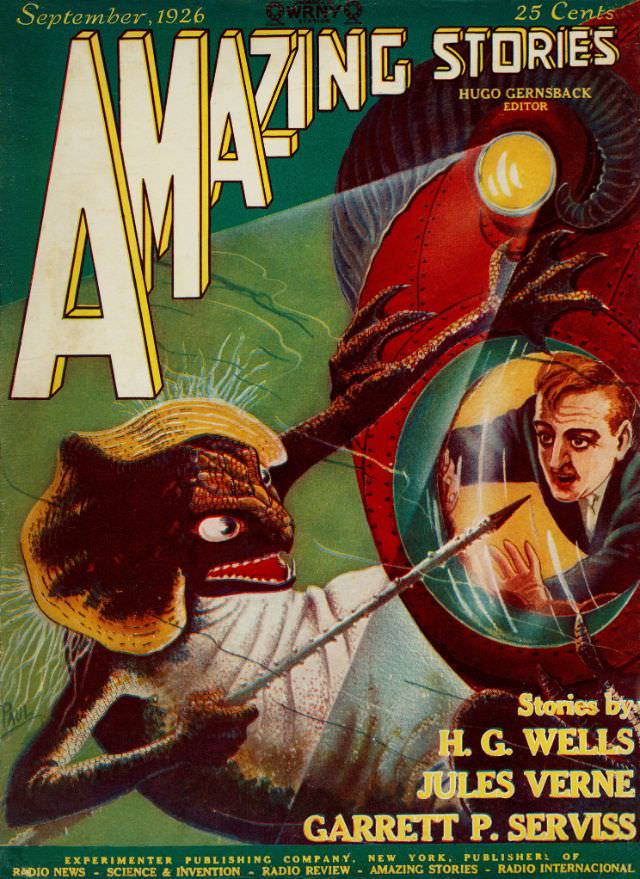
#8 Amazing Stories cover, September 1926
September 1926 splashes across the masthead of *Amazing Stories* in bold, angular lettering, promising modern wonders at a glance. The cover’s saturated greens and reds frame a pulpy drama of science and peril, the kind of visual hook that helped early science fiction magazines leap off the newsstand. Even the small details—like the price and…
-

#24 Amazing Stories cover, November 1928
Bold lettering and saturated color announce the November 1928 issue of *Amazing Stories*, a classic slice of early science fiction magazine history. The cover’s dramatic typography sprawls across a deep blue sky, while a whimsical emblem for “scientifiction” and a clear 25-cent price point signal the era’s mix of showmanship and wonder. Even at a…
-
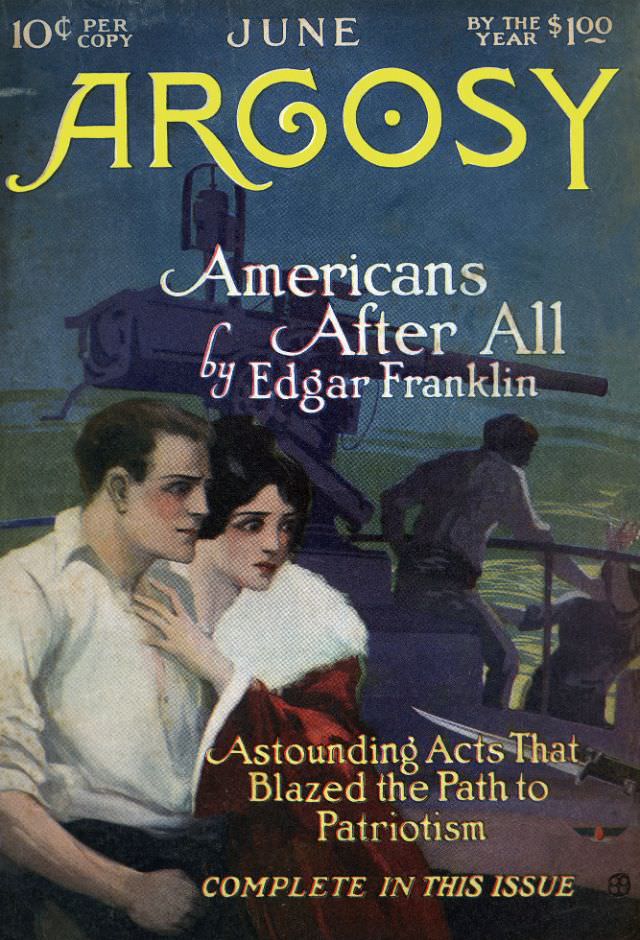
#5 Argosy cover, June 1917
Bold yellow lettering spells out ARGOSY beneath the simple banner “JUNE,” with the price and subscription offer tucked into the corners, instantly placing the viewer in the world of early 20th-century pulp magazines. The cover teases a featured story, “Americans After All,” credited to Edgar Franklin, while dramatic typography promises “Astounding Acts That Blazed the…
-

#21 Argosy cover, July 4, 1925
Bold lettering across a deep red masthead declares “ARGOSY ALL-STORY WEEKLY,” setting the stage for a classic pulp-era cover designed to grab attention from across a newsstand. The July 4, 1925 issue leans hard into high drama and motion, using strong diagonals and a crowded foreground to promise action before a reader even turns the…
-
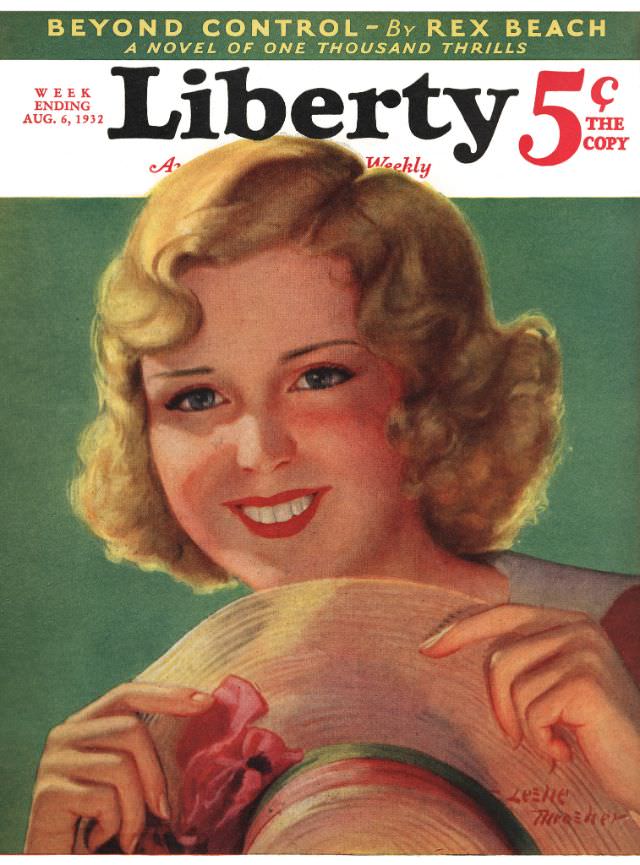
#2 Liberty cover, August 6, 1932
Liberty magazine’s cover for the week ending August 6, 1932 leans into bright, optimistic illustration at a time when many Americans were looking for small, affordable escapes. The masthead dominates the top in bold lettering, paired with the eye-catching “5¢ the copy” price, while teaser text promotes “Beyond Control” by Rex Beach as “a novel…
-
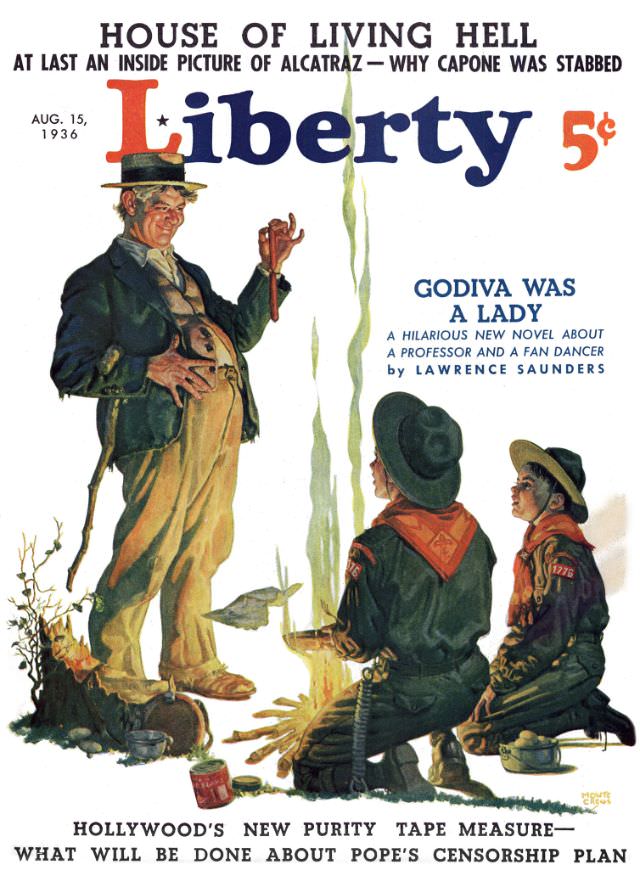
#18 Liberty cover, August 15, 1936
Bold headlines crowd the top of the Liberty cover dated August 15, 1936, promising readers a tour of “Alcatraz” and a sensational explanation of “why Capone was stabbed,” while the familiar Liberty masthead anchors the page with a bright 5¢ price tag. Off to the side, the cover also teases “Godiva Was a Lady,” credited…
-
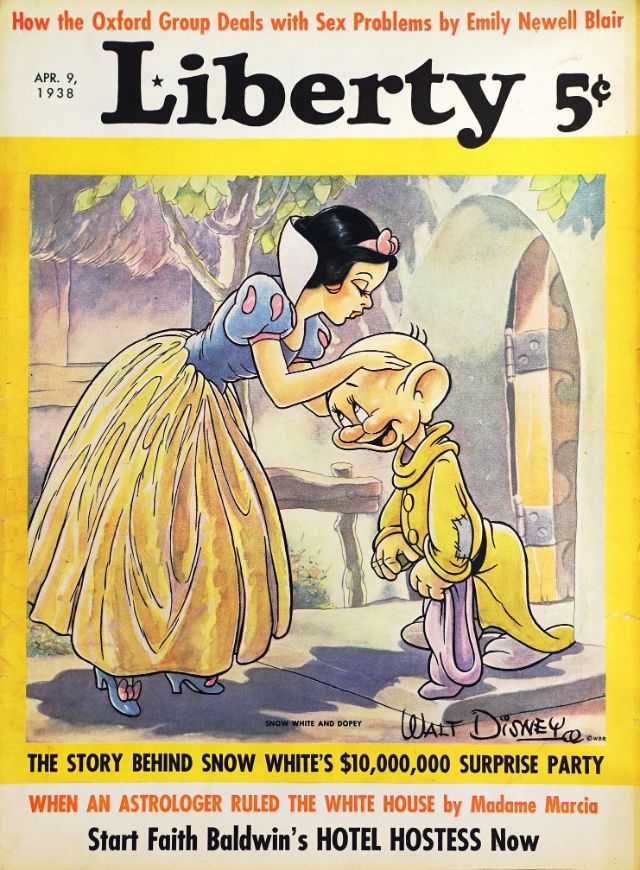
#34 Liberty cover, April 9, 1938
Liberty’s April 9, 1938 cover leans into the era’s love of lively magazine art, pairing bold typography with a warm, storybook scene. The familiar masthead and prominent “5¢” price point set the tone of an accessible, mass-market weekly, while the bright yellow border and confident lettering make the issue feel like it’s calling from a…
-
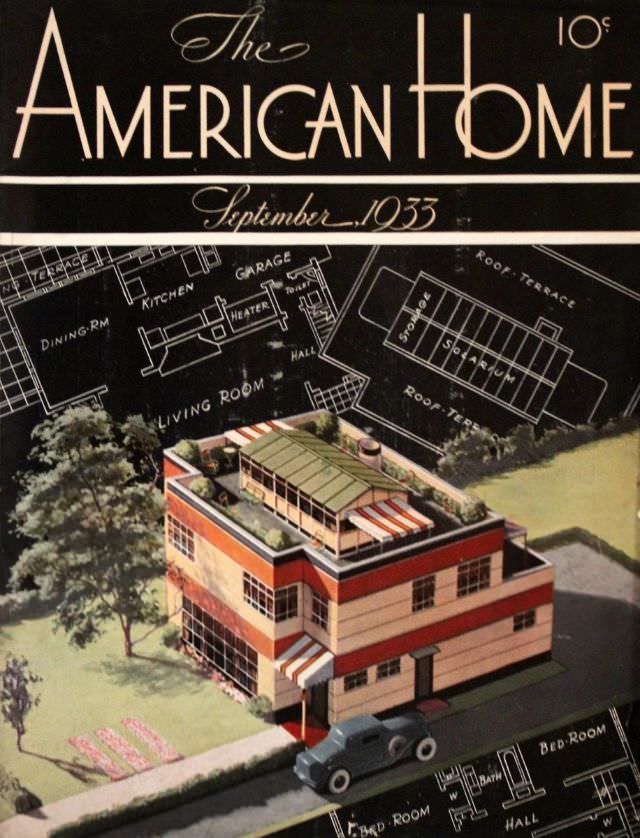
#3 The American Home cover, September 1933
Bold lettering and elegant script announce *The American Home* for September 1933, priced at ten cents, setting a confident tone at the top of the cover. Beneath the masthead, crisp white drafting lines spread across a dark field like an architect’s blueprint, labeling everyday spaces—living room, dining room, kitchen, garage, and roof terrace—so the reader…